Home & decor glass · Dropper and essential oil bottles
The bulb touches your product on every dose, so we specify it against what you fill.
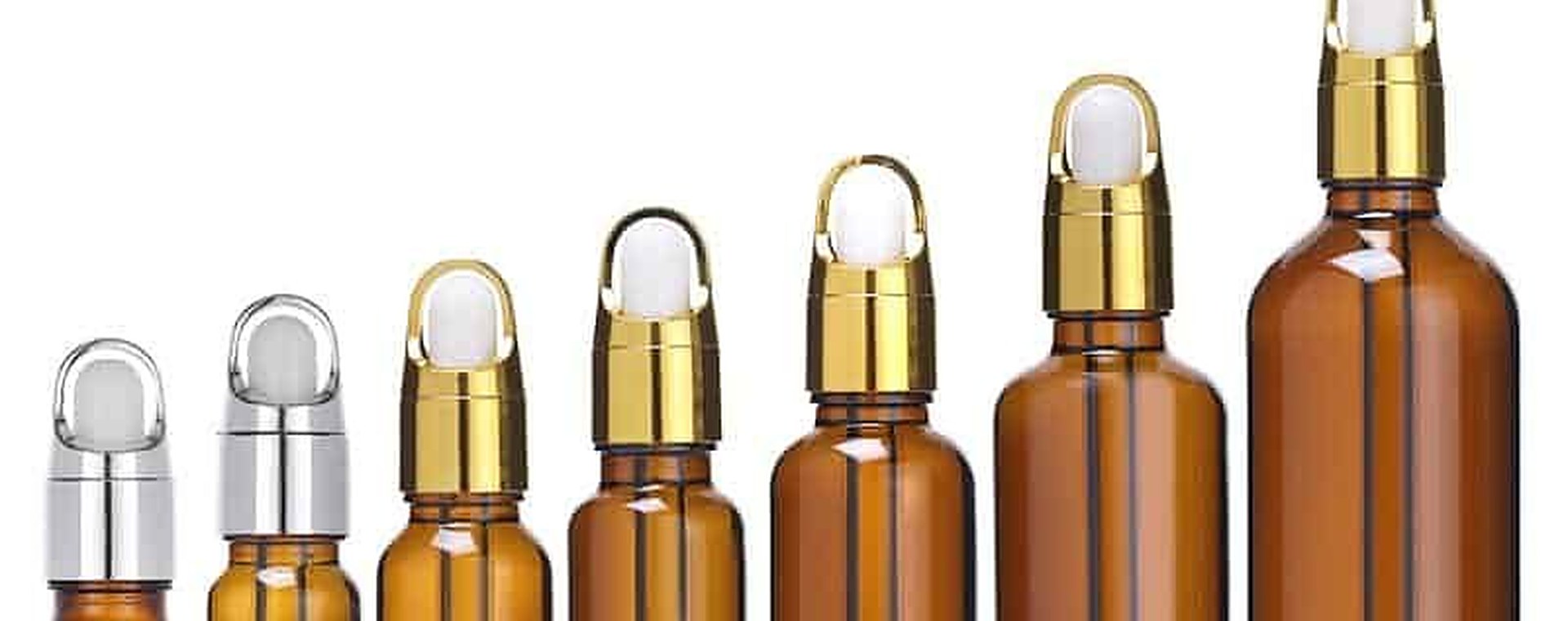
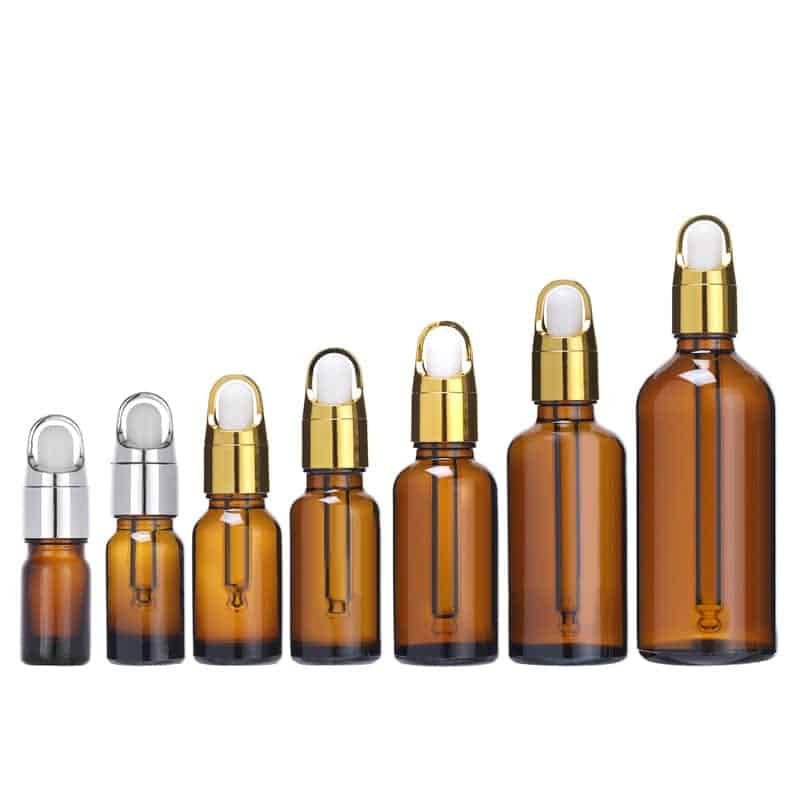
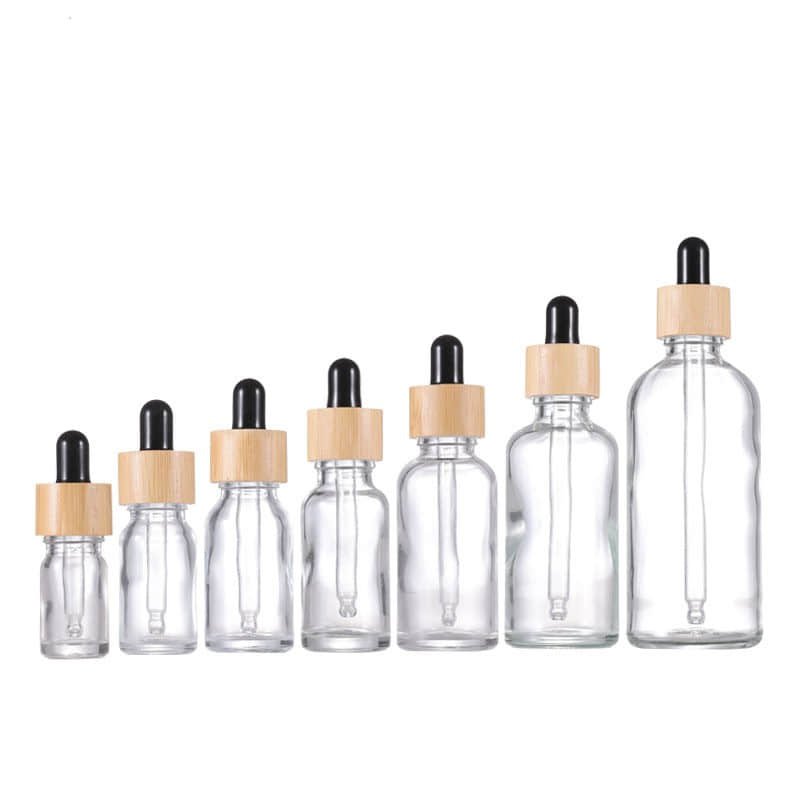
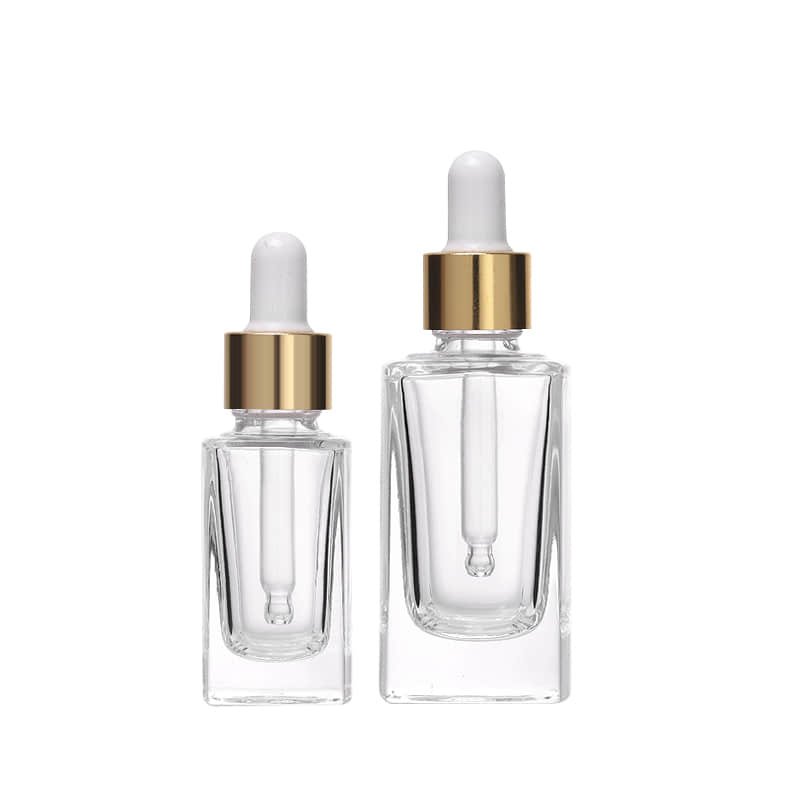
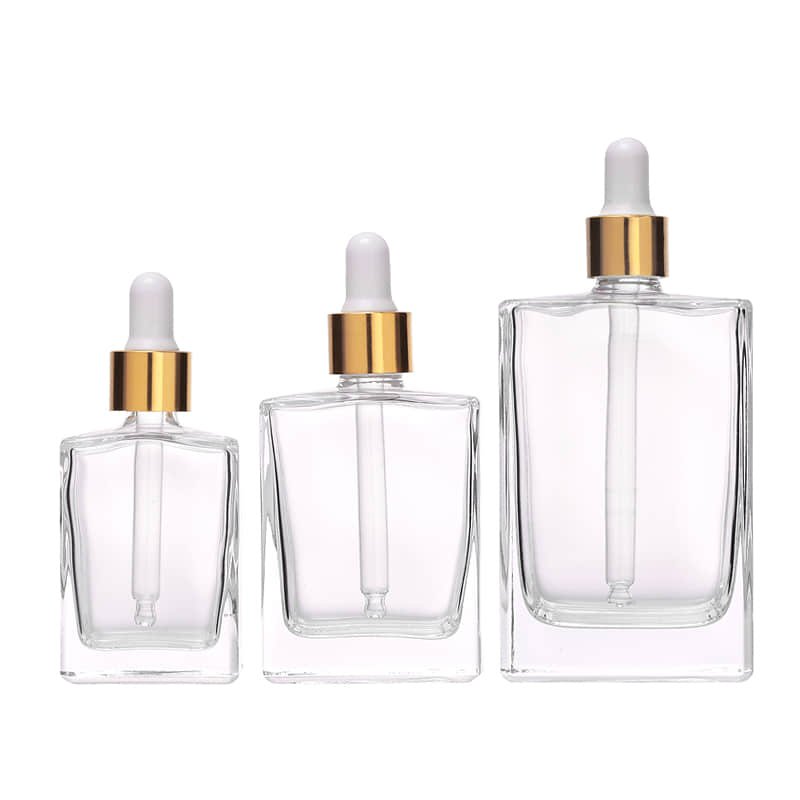
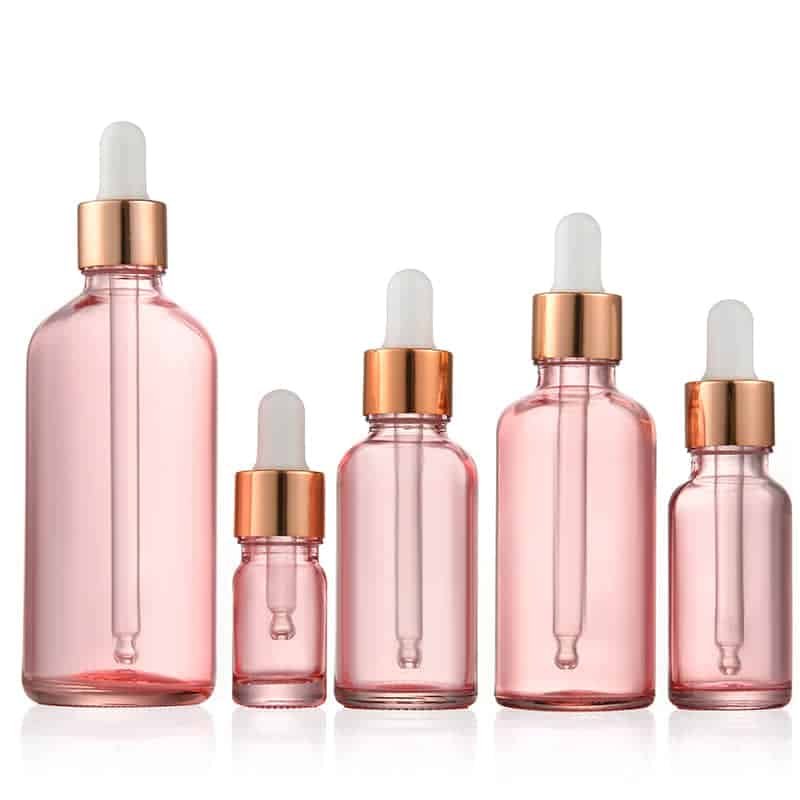
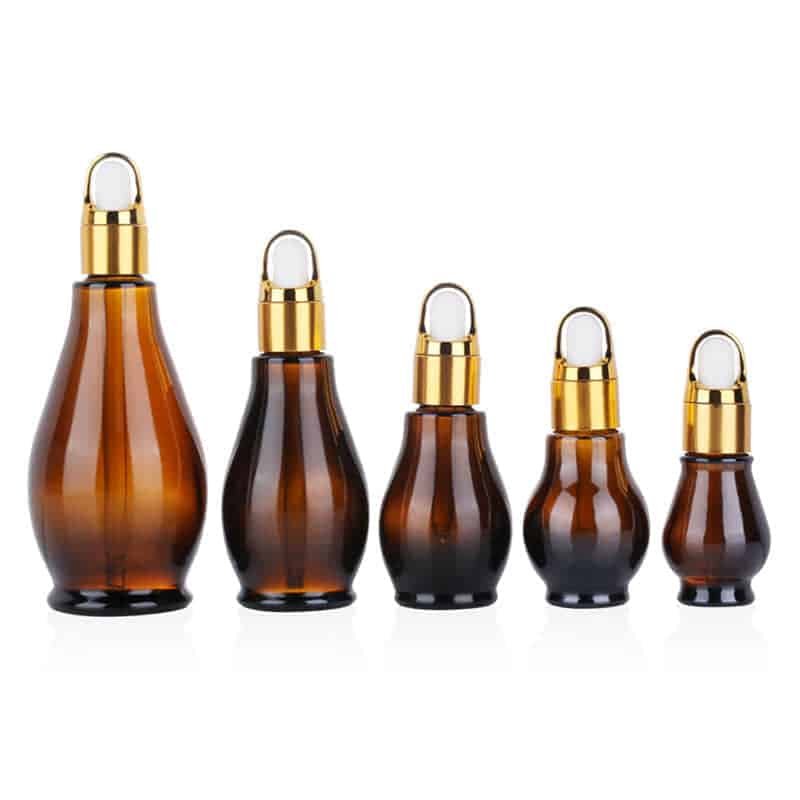
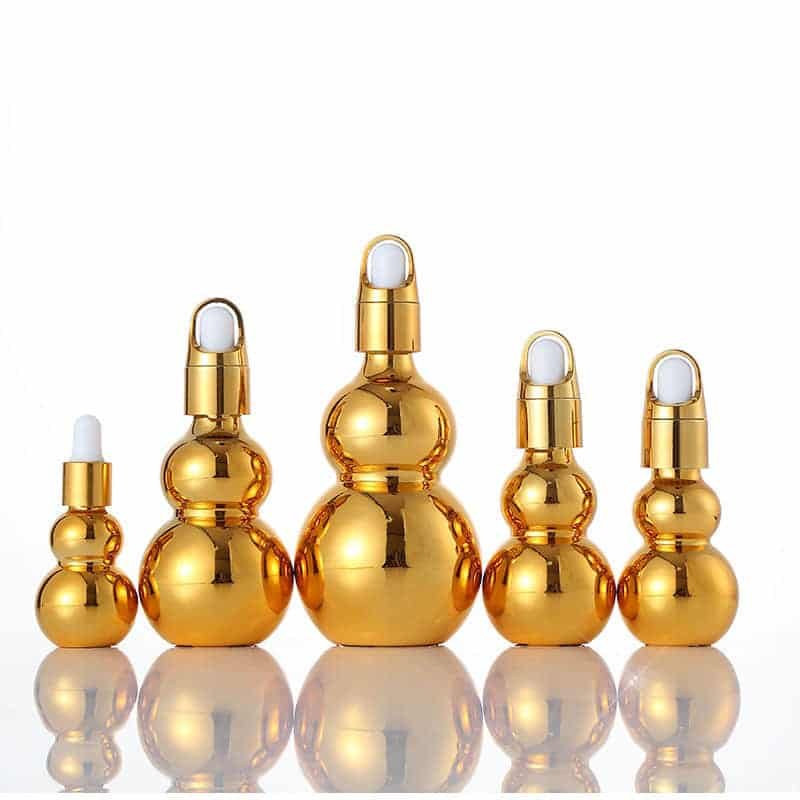
If you sell essential oils, tinctures, CBD or private-label skincare, you buy this bottle as a finished assembly: glass, pipette, bulb and collar. Your eight bodies run 5 ml to 100 ml (0.17 to 3.4 fl oz) off our own lines in Shandong, in amber, clear and pink. One dropper finish runs the whole ladder, so your 30 ml retail bottle and your 5 ml sampler take the same pipette.
Eight running-mould bodies on one dropper finish, most of them across your full 5 to 100 ml ladder. A sampler and a 30 ml retail bottle take the same pipette assembly. We quote wholesale per body, with the assembly priced on the same line.


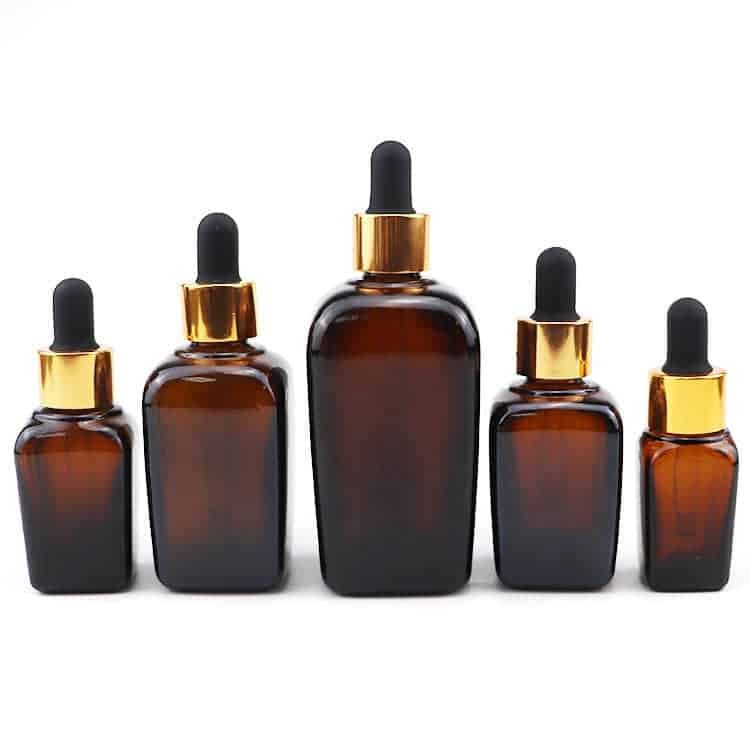
No running-mould body carries that shape at that size. Your quotation can still cover it, because the dropper finish repeats across the whole range.

The glass is the easy part of a dropper bottle. Three things about the assembly on top of it decide whether your product survives a shelf.
What is at stake
The bulb is rubber, and your product sits against it for a year. Citrus and other terpene-heavy essential oils attack natural rubber: the bulb swells, hardens or perishes, and your customer opens a bottle to find crumbs in the pipette. It looks like a contamination problem because, by then, it is one.
What we supply
Bulb material is specified against what you are filling rather than taken from a catalogue default. Your product goes on the enquiry and the bulb comes back matched to it, with samples you can fill and leave standing for a few weeks before you commit.

What has to match
Essential oils are where child-resistant closures come up most, and your market and your product set the requirement rather than your preference. Ship plain collars into a market expecting child resistance and your listing gets pulled.
What we supply
Plain, tamper-evident and child-resistant collars all run against these bodies. Your quotation names which one is on which SKU, so the compliance question is answered on paper by whoever handles it on your side.
What is at stake
A pipette cut for a 30 ml body leaves the last few millilitres of a 50 ml bottle out of reach, and on an oil sold by the drop your customer notices. Graduations are a separate decision: your tincture dosed by the millilitre needs them, and a fragrance oil does not.
What we supply
We cut pipettes to the internal height of each body, per size instead of per design, and graduated or plain to your specification. Bottles ship with the assembly fitted, so what your QA tests is what your customer opens.
The glass is one part of four. Your quotation names the other three and prices them beside it.
Your quotation lists the glass, the pipette, the bulb and the collar, so nothing in the assembly arrives from a different decision than the rest.
Bulk terms from the manufacturer. No tooling on a running body, 15–20 days from confirmation, bottles sampled with the pipette fitted, and a container count printed beside your price.
Pallet or container
A running mould carries no tooling minimum, so your first range can be a single pallet across several sizes and colours, on identical terms for private-label skincare brands and aromatherapy houses. A custom mould in extra-flint starts at 12,000 pieces.
15–20 days
From confirmation on running moulds, glass and assemblies together. A coloured melt runs to a schedule, so a large amber order of yours rewards an early booking. A custom mould adds 30–45 days from drawing approval.
On request
Bottles ship assembled, so you can fill one with your own formula and leave it a few weeks before committing a range. That test is worth more here than anywhere else in the catalogue.
EXW · FOB
Warehousing and consolidation stay in-house, and we quote transit to your port. Dropper bottles fill the gaps in a mixed container, which is how most first ranges like yours travel.
Per size, with the quote
A 5 ml and a 100 ml differ by twenty times in volume, so one anchor would mislead you. Your quotation gives carton dimensions and 20GP and 40HC counts per size.

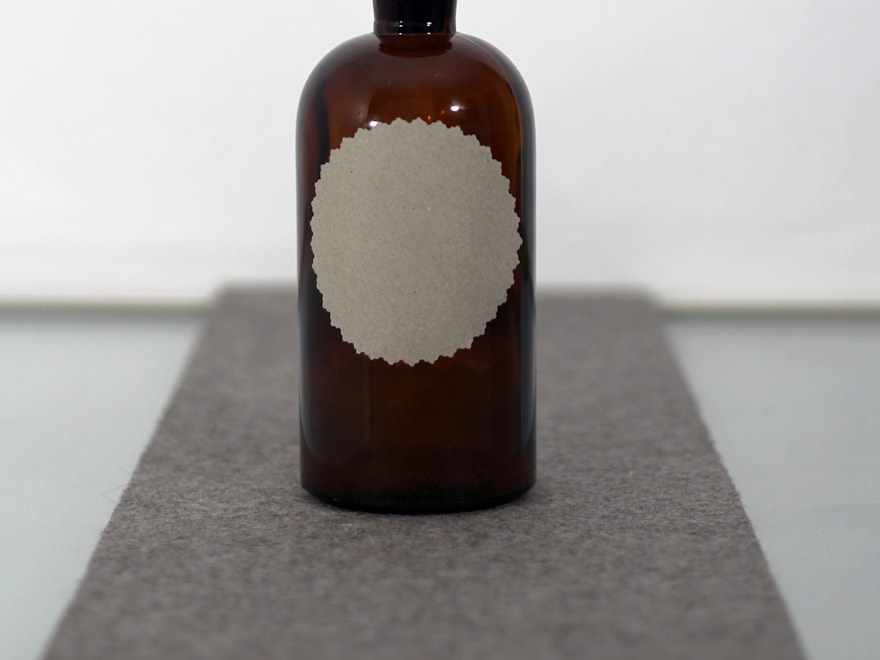
Oils and alcohol lift your paper label off a treatment bottle within months, so brands here print straight onto the glass. Our Shandong plant frosts, sprays, screen prints, hot stamps, electroplates and labels in-house, so your decorated glass keeps the same 15–20 days as plain.
We quote decoration per design, beside the glass. Decoration and labelling in detail →

A drawing, a rival's bottle or a sketch starts the check. Eight running bodies cover most briefs here, because your customer judges the dropper long before the silhouette. When your range wants glass of its own, our mould shop prices it in three stages.
A full-size model of your bottle, so you sign off shape, neck and label panel before steel is cut.
Real glass from a sample mould: 5–10 bottles with the dropper assembly fitted, for your filler and your buyer to approve.
Your production tooling runs on the flint lines in Shandong. Minimum 12,000 pieces in extra-flint, 50,000 in standard flint.

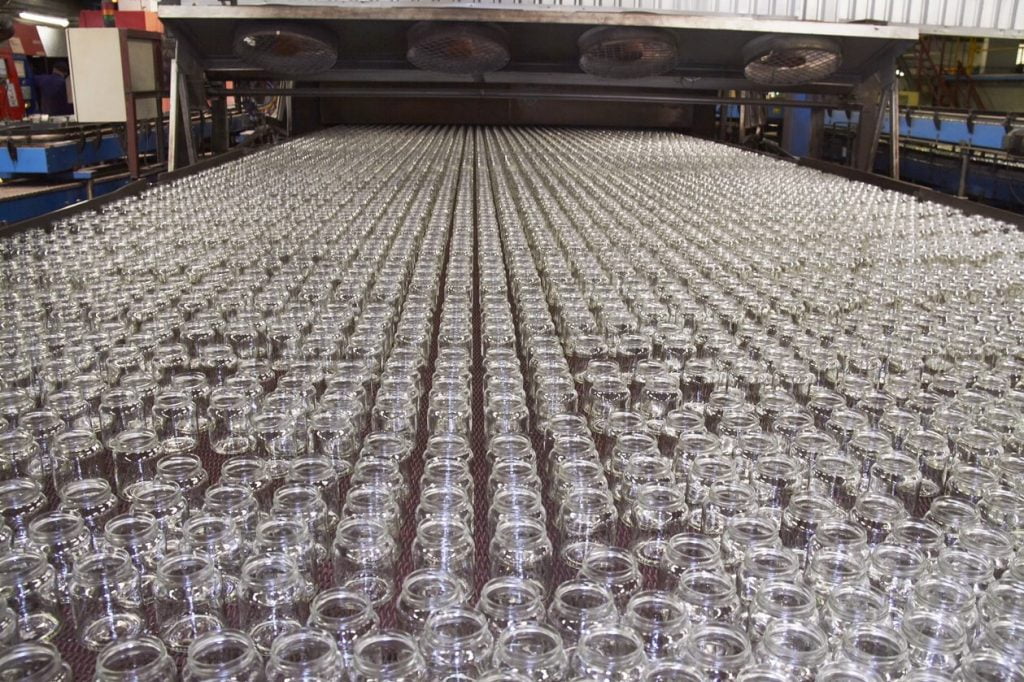
We form your bottles in Shandong, decorate them on the same site and pack them with our own warehouse team, so the glass and the assembly leave on one order. Oil and tincture brands in 40+ countries have shipped from these Shandong lines since 2013, on the same terms you get.
We gauge the thread on every run, because the whole range shares one assembly and a finish that drifts costs you that. You find out at the capping head, with the bottles already filled.
We fit pipettes, bulbs and collars here and test the draw as a set, so your QA receives what your customer will open.
Amber and pink come out of a coloured melt, and we check yours against a retained reference bottle. On a shelf where your sizes stand together, a shade that drifts between orders reads as two different products.
Controlled lehr curve on every bottle, and we check residual strain under polarised light on every run of yours. Your 5 ml bottle has thin walls and shows strain faster than a heavy one.
Bulb material, child-resistant collars and graduated pipettes, so your formula and your market are covered before a deposit.
They can, and citrus and other terpene-heavy oils are the usual culprits. The bulb swells, hardens or perishes against them, and your customer finds crumbs in the pipette. What you are filling goes on the enquiry, and the bulb material comes back matched to it, with samples you can fill and leave standing for a few weeks.
Yes, alongside plain and tamper-evident collars. Which one a product needs is set by your market and your formula rather than by preference, so your quotation names the collar on each SKU for whoever handles compliance on your side.
5, 10, 15, 20, 30, 50 and 100 ml, which is 0.17 to 3.4 fl oz, and most bodies run your full ladder. Your sample size and your retail size take the same assembly, so one pipette and collar stock covers the range.
Yes. The 30 ml (1 oz) body is the busiest size here and it runs in amber, clear and pink for you. Child-resistant collars seat on the same finish, which is what most US tincture and CBD buyers order, and we price graduated pipettes on the same line.
The factory. Your bottles come off our own lines in Shandong, and MAIDAO INDUSTRY runs two sites with 14 lines between them. Packaging distributors buy from plants like ours and break bulk locally, which suits a case of a hundred; a pallet is where ordering from the furnace changes your cost.
Amber blocks the most light, so it is the right answer if you fill essential oils, plant extracts or anything with a vitamin in it. Clear and pink sell your product on sight and give it no protection, which suits short shelf lives and outer cartons. All three run across this range.
Plain or graduated, to your specification. Your tincture dosed by the millilitre needs graduations; a fragrance oil does not, and on a small bottle they add clutter.
There is no tooling minimum on the eight running-mould bodies, so your first range can be a single pallet across several sizes and colours. A custom mould in extra-flint starts at 12,000 pieces.
Yes. Pipette, bulb and collar are fitted here and the draw is tested as a set, so your QA receives the same thing your customer will open, not a box of parts.
Yes. Spray coating, frosting, electroplating, printing and finished collars all run in-house on running bodies, which on a shape this standard is where your brand actually lives.
A size, a colour or the formula you fill is enough to start. Our treatment glass desk answers you with pricing, assembly options and loading data inside 24 hours.
Matching bodies, assembly pricing and loading data come back within 24 hours.
The running moulds that fit get found before anyone talks about tooling.