Every quote answered within 24 hours  ·  Mon–Sat 8:30–18:00 (GMT+8)  ·  sales@sgsbottle.com
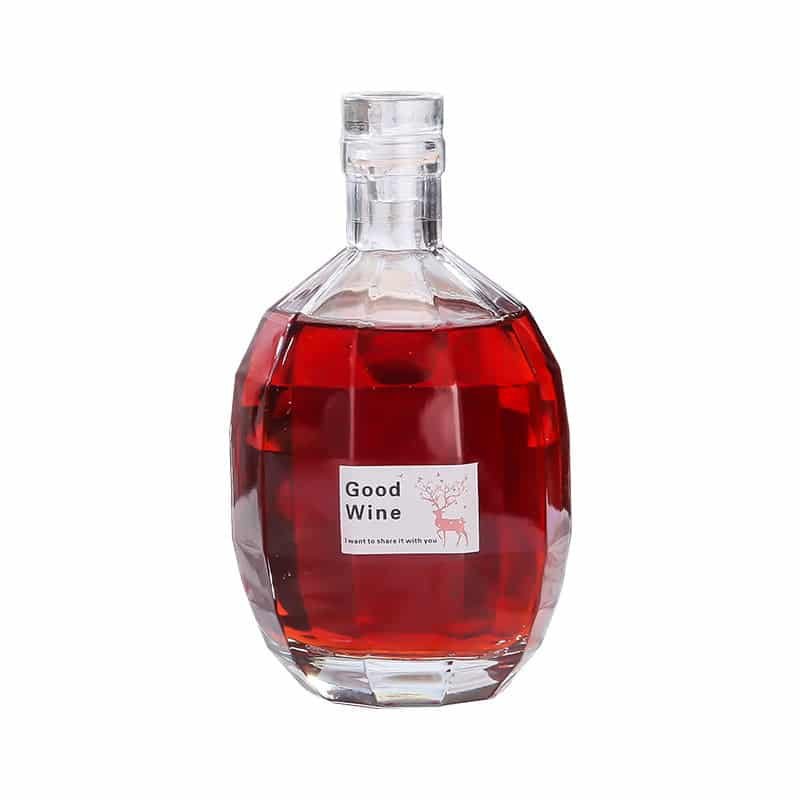
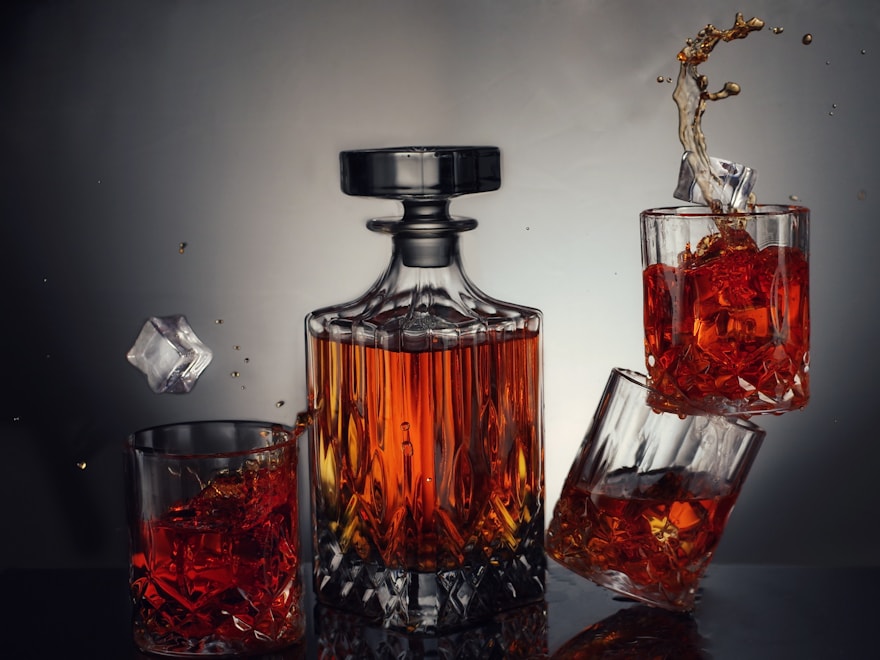
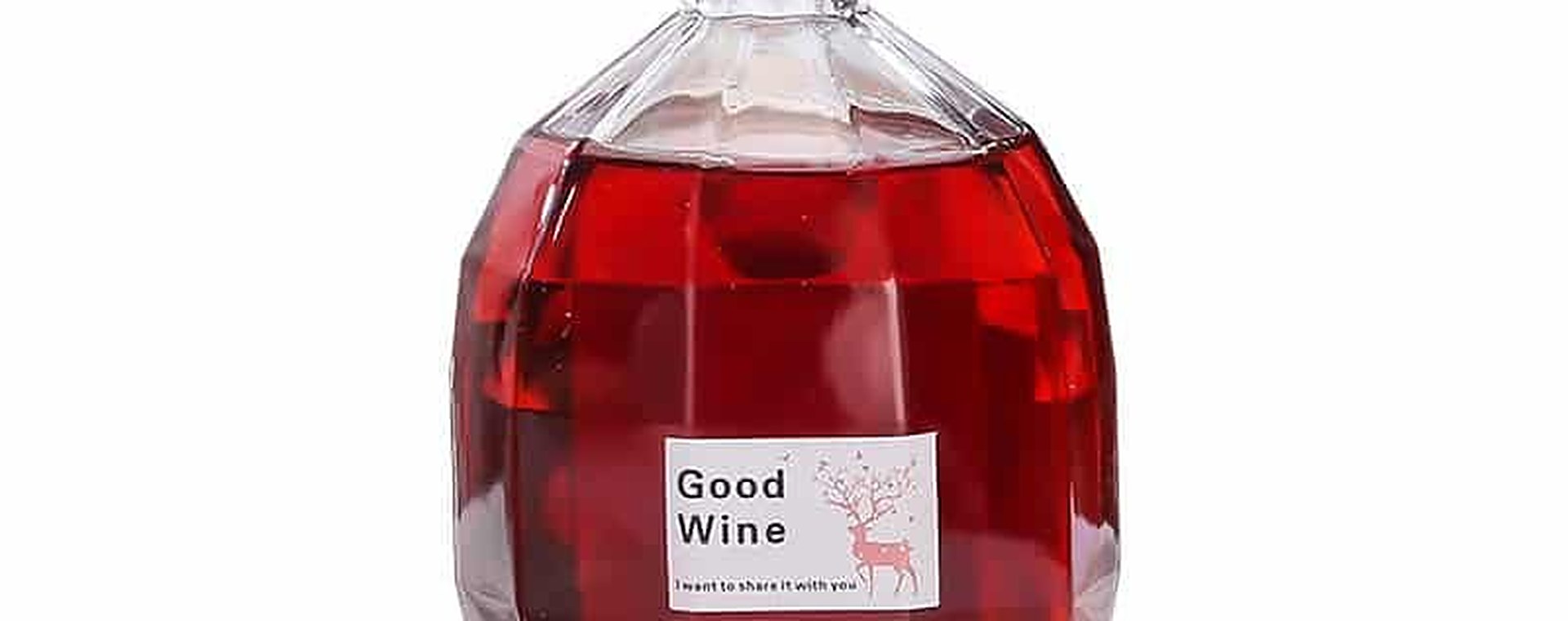
Faceted gin bottle with a glass stopper, filled with a red spirit

Spirits glass · Gin and craft spirits bottles

Custom Gin Bottles, Made on Our Own Spirits Lines

Four silhouettes, because your gin sells off the shelf before it sells off the label. Bore and finish published, because your cork has to fit.

Craft distillers and brand owners come to us for a bottle that looks tooled without you paying for tooling. Your four choices cover 100 ml to 750 ml (3.4 to 25 oz) in super flint, all on running moulds. They come off our Shandong lines, where 600,000 super flint pieces a day go to spirits bottles.

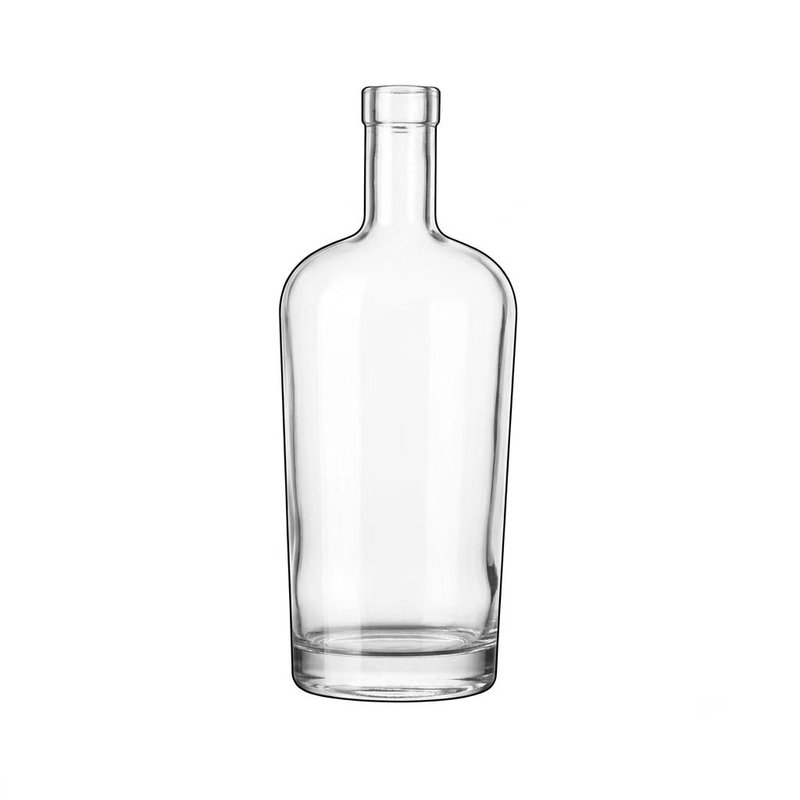
Four Gin Bottle Shapes in Stock: Faceted, Shoulder, Flask, Compact

Four bodies that argue four different cases on a back bar. We supply all four on running moulds, so your wholesale price carries no mould cost and a first release can be one pallet.

Capacities in production, ml (500 ml and 750 ml are the retail sizes; 100 ml suits tasting sets)
  • 100
  • 250
  • 375
  • 500
  • 750
  • ml
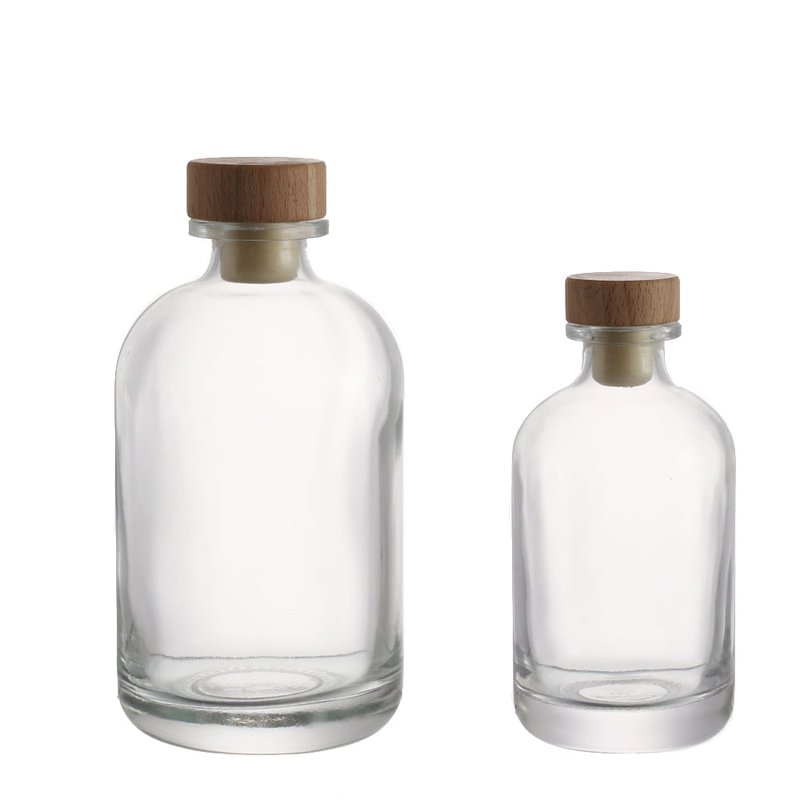
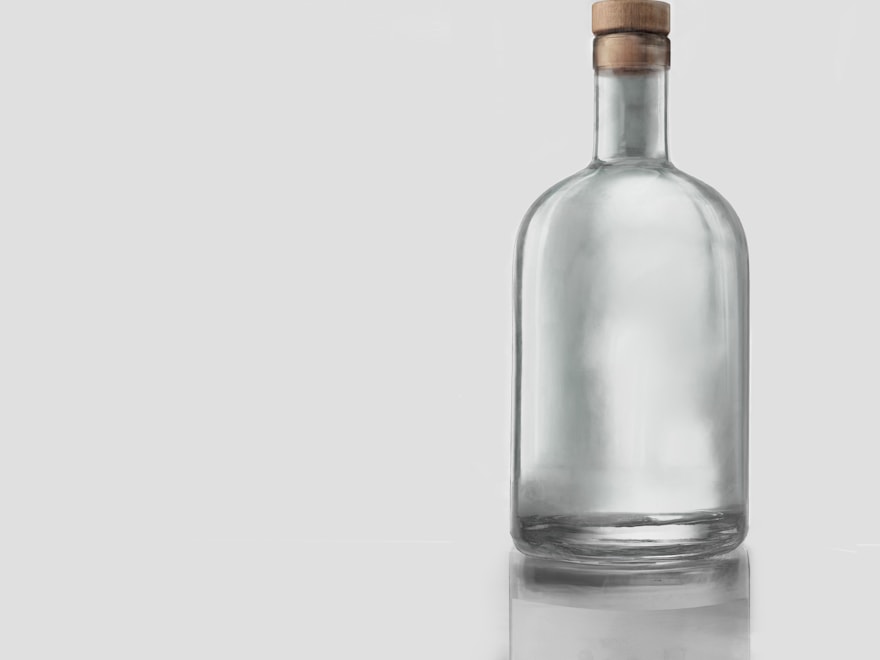
Two empty compact gin bottles in clear glass with wooden-topped corks
A T-top cork is pushed, not driven. The bore it seats in decides whether your cork stays put.

What Your Distillery Settles With Us Before the Glass Runs

Craft gin lives and dies on a shelf, and three things decide whether your bottle earns its place there and stays sealed.

01

The silhouette is the pitch

What is at stake

A gin shelf is dozens of clear bottles holding a clear spirit. Shape does the separating, and a body picked because it was cheapest leaves you selling a supermarket own-label look at a craft price. The shape is also the one thing a label cannot fix later.

What we supply

Your four choices run on existing moulds: a faceted diamond, a wide-shouldered ladder from 100 to 750 ml, a flat round flask and a compact straight-walled bottle. None of them costs you tooling, so your first release can look considered without a mould bill.

02

The bore, and the cork that sits in it

What has to match

A T-top cork pushes into the neck instead of driving in, so your fit is tighter than on a wine bottle and less forgiving. A bore a fraction wide gives a cork that creeps out in a warm warehouse; a fraction narrow and your bottling line fights every bottle.

What we supply

The faceted body publishes a 1.85 cm bore inside a 3.0 cm finish across all three of its sizes, so one cork covers your whole ladder. Every design ships its finish drawing with your quotation, and we price corks or glass stoppers beside the glass.

03

Glass stopper or cork

What is at stake

A ground glass stopper looks expensive in your photography, and it seals against the glass instead of into it. That suits a presentation bottle somebody opens at a table. A cork reseals more reliably over the months your bottle spends in a home bar.

What we supply

The faceted body takes a glass stopper; your other three choices take T-top corks in wood, metal or acrylic. Your quotation names which closure belongs to which body and prices both, so the presentation and the practical decision get made together.

Gin Closures We Supply: T-Top Cork, Glass Stopper, Capsule

Two closure systems cross all four bodies, and we price both in your quotation beside the glass.

T-top corkNatural or agglomerate cork with a wood, metal or acrylic head. It reseals over months, and your customer handles it every time they pour, so it carries more of your brand than its cost suggests.
Glass stopperA ground glass plug with a gasket, on the faceted body. It reads as the most expensive closure on a shelf, and it suits your presentation or gift bottle.
Capsule and waxHeat-shrink, tin or a wax dip over the cork, printed to your colour. We quote it with the glass, so the length matches your neck.
Matching an existing corkWhere you already bottle, send the cork or your supplier's drawing and we identify which of these bodies takes it before any sample ships.

Your quotation states the bore, the closure and the capsule, so your distillery signs off before glass is committed.

Pick the shape first. The rest is arithmetic.

Four bodies, no mould cost, and the bore published where your closure supplier states it. Pricing, drawings and loading data land within 24 hours.

Get the Four Shapes Quoted

Gin Bottle MOQ, Mould Cost and Lead Time

The commercial answers you would otherwise chase over three emails. No mould cost on running bodies, 15–20 days from confirmation, corked samples in your hand, and a pallet count printed beside your price.

MOQ

Pallet or container

A running mould carries no tooling minimum, so your first release can be a single pallet, on identical terms for private-label brands and contract bottlers. A custom mould in extra-flint starts at 12,000 pieces.

Lead time

15–20 days

From confirmation on running moulds, glass and closures together. A custom mould adds 30–45 days to your lead time, counted from drawing approval.

Samples

On request

Bottles go out corked, so you can pull the stopper, weigh the bottle and see the shape on a shelf before committing a batch. On the custom path, an acrylic model lands in about 10 days at $500, then a sample mould at 35 days puts 5–10 bottles on your desk.

Shipping terms

EXW · FOB

Warehousing and consolidation stay in-house, and we quote transit to your port. Your gin bottles travel with vodka or wine in one container, which is how most first releases ship.

Container loading

Per shape, with the quote

A flat round flask and a wide-shouldered 750 load nothing alike, so your carton count moves with the shape you pick. Your quotation gives carton dimensions and 20GP and 40HC counts per shape.

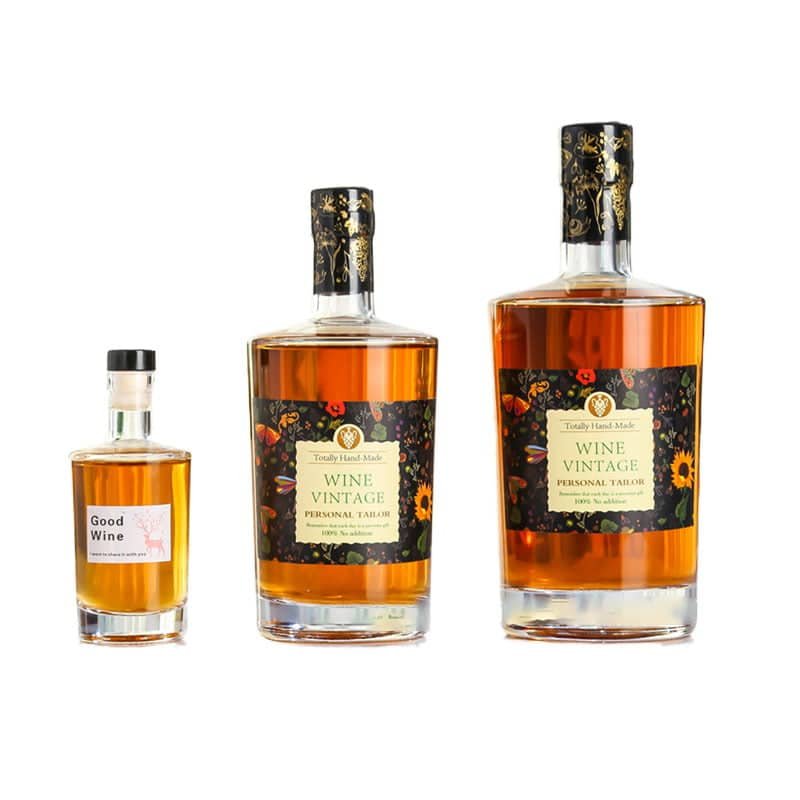
Three wide-shouldered gin bottles in a size ladder with cork stoppers and dark botanical labels
A botanical label on a running body. Decoration is where a gin brand actually lives.

Private-Label Gin Bottles: Frosting, Printing, Foil, Plating

Craft gin is a design category, and nearly all of your design work happens on glass that is already tooled. Our decorating plant in Shandong frosts, sprays, screen prints, hot stamps, electroplates and labels in-house, which keeps your decorated bottle on the same 15–20 days as a plain one.

Screen printingYour botanicals and your name straight onto the glass. On a clear spirit a printed bottle reads as a considered product where a paper label reads as your first batch.
FrostingFull-body or a band, matte or satin. It changes the weight in the hand as much as the look, which is what your shopper is testing when they pick the bottle up.
ElectroplatingMetallic and gradient finishes down the body, for gift editions and duty free.
Hot stampingMetallic foil for your batch number, your still's name or a signature, on limited releases.
Spray coatingOpaque or gradient colour on clear glass, matched to your brief, including the deep colours a coloured melt would otherwise gate.
LabellingApplied in-house, including the wrap labels these round bodies need, so your bottles arrive ready for your filler.

We quote decoration per design, beside the glass. Decoration and labelling in detail →

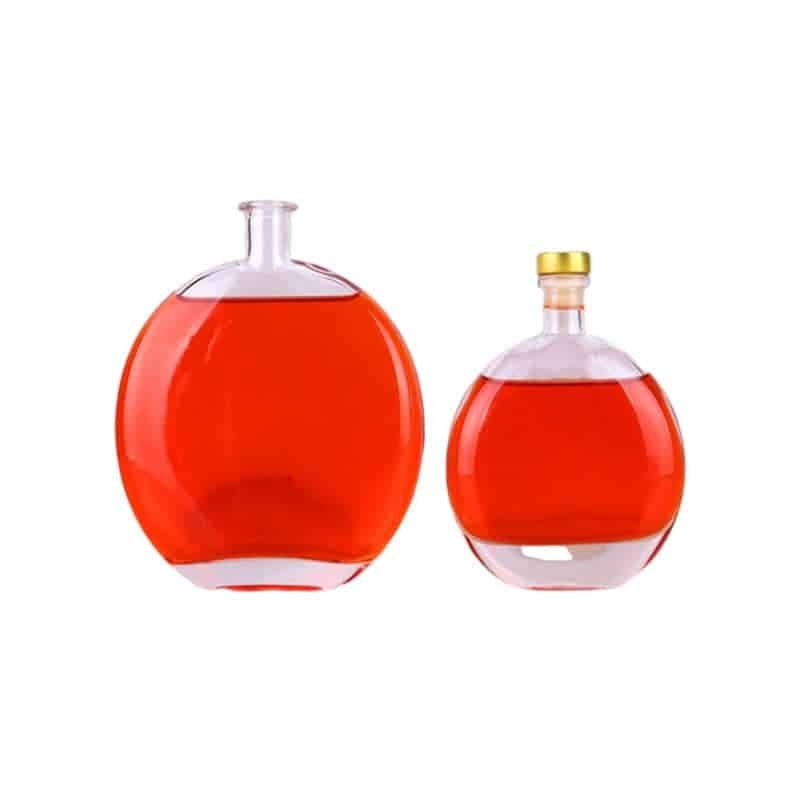
Two flat round gin bottles filled with a red spirit
A flat round flask is a mould. In super flint the tooling minimum is 12,000 pieces, which your second release will reach.

Custom Gin Bottle Moulds: What Tooling Costs Here

Your drawing, a rival's bottle or a sketch on a napkin starts the check. Running moulds carry your first release well, and gin is the category where a brand that finds its market tools its own bottle by year two or three. Our mould shop prices that path in three stages.

Stage 1Acrylic model~10 days · $500

A full-size model of your bottle, so you sign off shape, shoulder, bore and label panel before steel is cut.

Stage 2Sample mould35 days · ≈$1,200

Real glass from a sample mould: 5–10 bottles with corks fitted, for your bottler and your buyer to approve.

Stage 3Production mould$1,200–2,200

Your production tooling runs on the flint lines in Shandong. Minimum 12,000 pieces in extra-flint, 50,000 in standard flint.

The custom process, priced by stage →

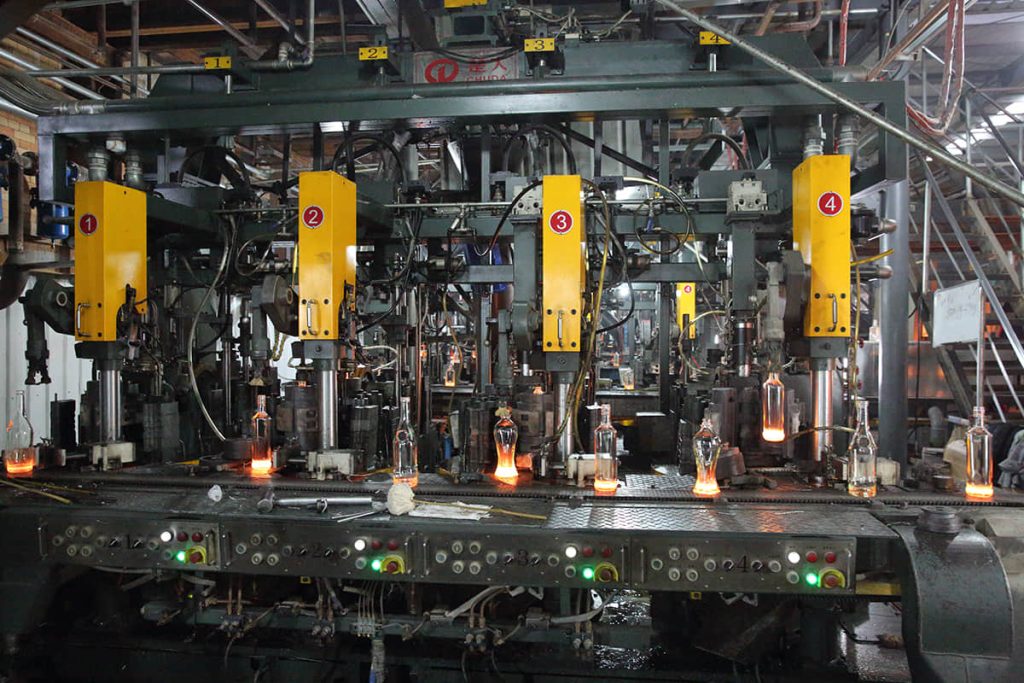
Glass forming machines running on the hot end of the production line
Our own lines in Shandong, where these bottles are formed, annealed and decorated inside the group.

Gin Bottle Manufacturing in Shandong: 14 Lines, 200 Tonnes a Day

We melt super flint in Shandong, where 7 lines turn out 600,000 pieces a day, and spirits glass is what those lines exist for. Your gin bottles are formed, annealed, decorated and packed inside the group, and buyers in 40+ countries have shipped from these lines since 2013.

Bore

We gauge the neck bore on every run, because a T-top cork is pushed, not driven, and has no thread to fall back on. A bore that drifts gives you creeping corks in a warm store.

Clarity

We check the super flint melt against a retained reference. On a clear spirit any cast in the glass reads as a cast in your gin.

Moulded detail

We check faceted and shouldered bodies against a retained reference, because soft facets from a tired mould take the edge off exactly what you paid the shape for.

Documentation

Your shipment carries an EC 1935/2004 declaration of compliance for the EU and UK, food-contact documentation to FDA requirements for the United States, and ISO 9001. SGS test reports and third-party pre-shipment inspection come on request.

Before You Order Gin Bottles

Gin Bottle Answers Before You Commit a Run

Bore, cork, mould cost and minimum, so you can price a first release without waiting on a reply.

What size bottle does gin come in?

700 ml is the European standard and 750 ml the American one, so your market decides. This range runs 750 ml on the wide-shoulder body, with 500 ml, 375 ml, 250 ml and a 100 ml tasting size. Where you need 700 ml, say so with the enquiry so it is quoted on the right body.

What is the neck bore on your gin bottles?

The faceted body publishes a 1.85 cm bore inside a 3.0 cm finish across 250, 375 and 500 ml, so one cork covers your ladder. Every other design ships its finish drawing with your quotation, because a T-top cork has no thread to fall back on.

Glass stopper or cork?

A glass stopper seals against the glass and looks the most expensive thing on a shelf, which suits your presentation bottle. A T-top cork reseals more reliably over the months your bottle actually sits in a home bar. The faceted body takes the stopper; the other three take corks.

Do you make the bottles yourself or buy them in?

We make them. The gin bodies come off the super flint lines in Shandong, which runs 7 lines, and the decorating happens in the same group. MAIDAO INDUSTRY owns 14 lines across Shandong and Xuzhou, and SGSBOTTLE is the export arm that quotes and ships from them.

What does a custom gin bottle mould cost?

An acrylic model runs about $500 and reaches you in ten days. A sample mould is roughly $1,200 over 35 days, and it puts 5 to 10 real glass bottles on your bench. Production tooling costs $1,200 to $2,200 for your 700 or 750 ml bottle, against a 12,000-piece minimum in extra flint.

What is the minimum order for gin bottles?

There is no tooling minimum on the four running-mould bodies, so your first release can be a single pallet. A custom mould in extra flint starts at 12,000 pieces, which you are likely to reach in a second or third year.

Can we get our own bottle shape?

Yes, and in gin it is the usual path once your brand finds its market. An acrylic model takes about 10 days at $500, a sample mould 35 days at around $1,200, and production tooling $1,200 to $2,200 against a 12,000-piece minimum.

Do you supply the corks?

Yes. T-top corks in wood, metal or acrylic, glass stoppers for the faceted body, and capsules or wax over the top, all priced with the glass and matched to your bore.

Are your gin bottles food-grade?

Yes. Your bottles ship with food-contact documentation to FDA requirements for the United States and an EC 1935/2004 declaration of compliance for the EU and UK, with SGS test reports on request.

How do these shapes load in a container?

Differently enough to change your landed cost. A flat round flask wastes carton space that a wide-shouldered bottle does not, so your quotation gives you carton dimensions and per-shape 20GP and 40HC counts.

Ask Our Spirits Desk for a Gin Bottle Quote

A shape, a size or the cork you already buy is enough to start. Our spirits desk answers you with pricing, your finish drawing and a pallet count inside 24 hours.

I know the shape and sizes I want

Matching running-mould bottles, pricing and loading data come back within 24 hours.

  • Shape and capacity per SKU
  • Cork or glass stopper, and any capsule
  • First-run quantity, and destination port
Request Pricing

I want a bottle of our own

The tooling path is quoted by stage before anything is committed.

  • A sketch, a drawing or a reference bottle
  • The bore your existing cork needs
  • Your first-run quantity, against the 12,000-piece minimum
Start a Custom Mould
sales@sgsbottle.com · Mon–Sat 8:30–18:00 (GMT+8) — every quote answered within 24 hours