Beverage glass · Wine and sparkling bottles
Four shapes that name the wine before the label does. Cork or screw, decided by your market.
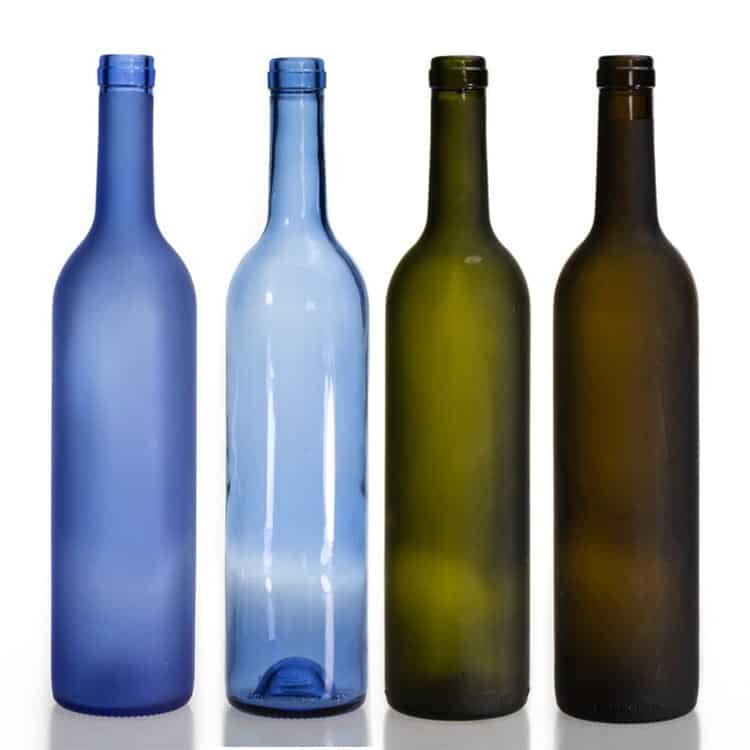
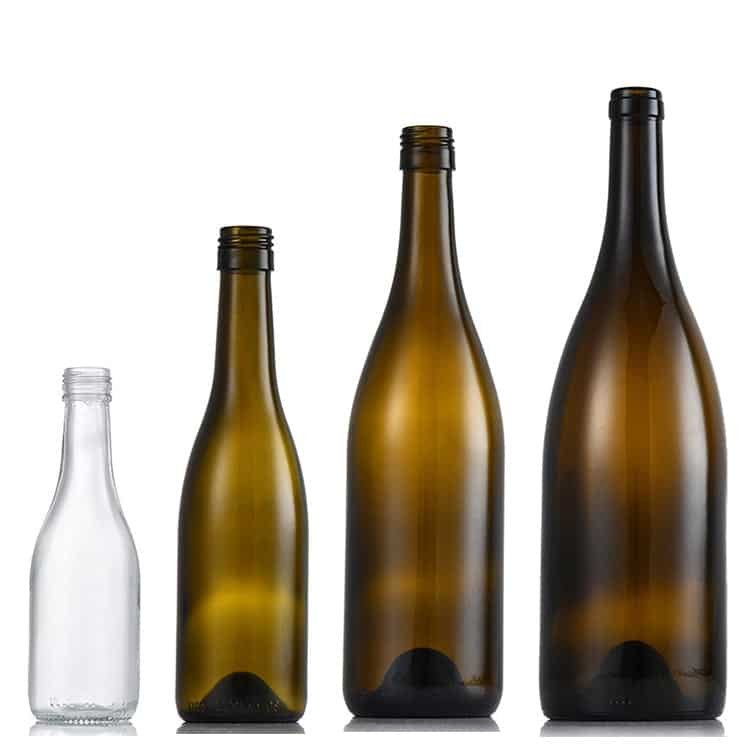
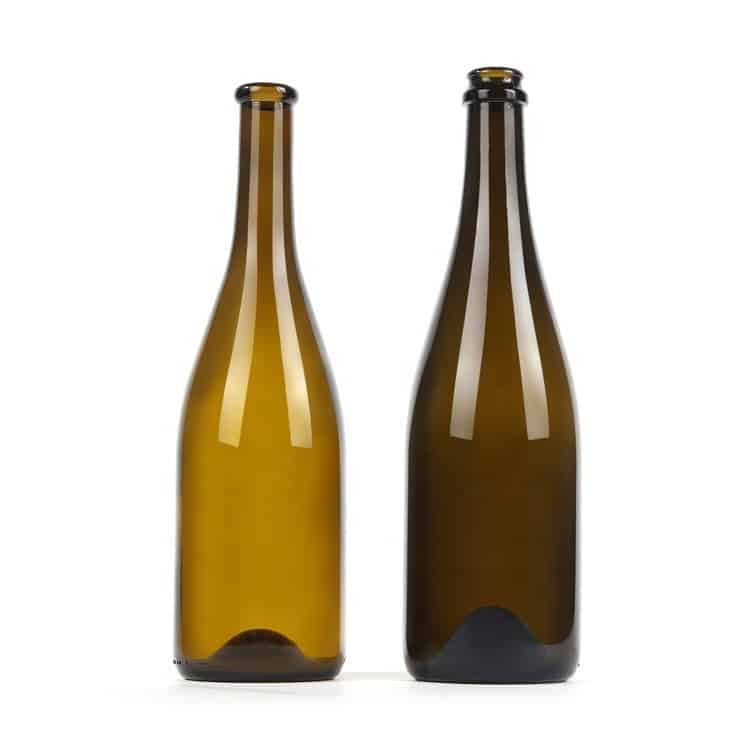
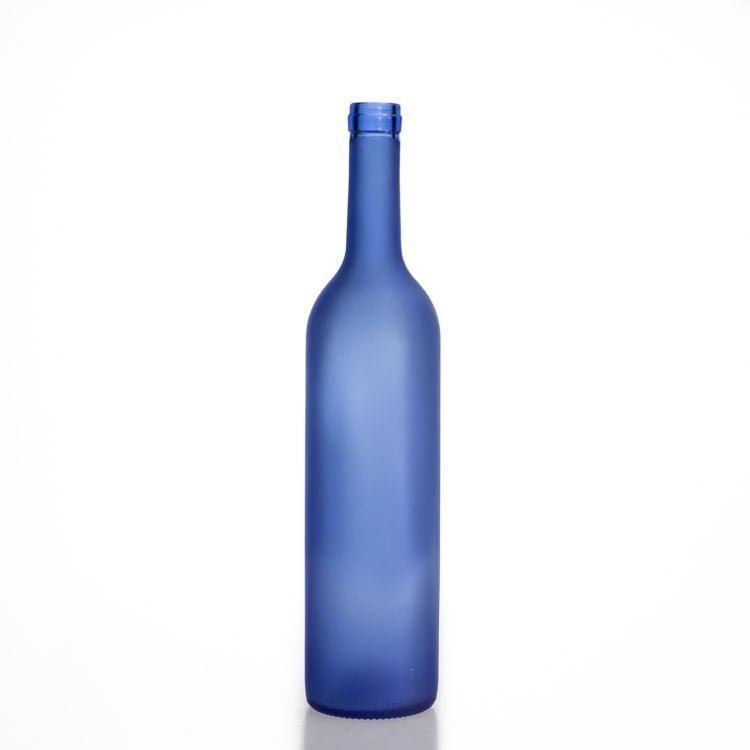
Whether you own a winery, bottle for one or import, you buy the profile before you buy the glass, and all four come off our own furnaces in Shandong. Your choices are Bordeaux, Burgundy, Hock and sparkling, 187 ml to 1.5 litres (6 to 51 oz), in green, amber, blue and flint. A 750 ml Bordeaux here stands 325 mm at 73 mm across on a punted base, and cork or screw is a question your market answers for you.
Four profiles that name the wine before your label does, filtered by shape and finish. We quote wholesale per profile, per colour and per quantity, with your cork or screw cap priced on the same line.


No running-mould profile carries that size. Your quotation can still cover it, because the cork and screw finishes repeat across all four shapes.

Your bottle is read on a shelf and filled on your line, and the two make different demands. Three things reach you in writing before a deposit.
What is at stake
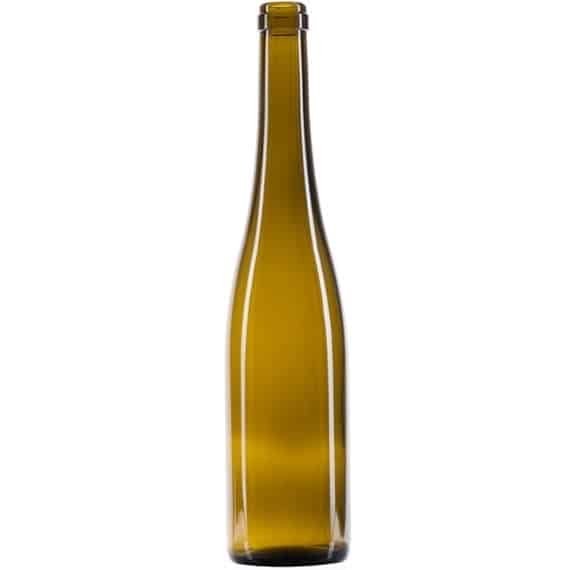
A high-shouldered Bordeaux says structured red. A sloping Burgundy says Pinot or Chardonnay. A tall Hock says Riesling or a German-style white. A buyer, a sommelier and a shopper all read that in under a second, and your wine in the wrong silhouette spends its whole life explaining itself.
What we supply
All four profiles run for you on existing moulds, in antique green, amber, blue and flint. Your quotation prices them side by side, so you make the shape decision against real numbers instead of a catalogue photograph.
What has to match
This is not a taste question. New Zealand and Australia have moved almost entirely to screw cap and your buyers there expect it; parts of Europe still read a screw cap as a lower tier. The finish also sets your bottling line, because a corker and a capper are different machines. Getting this wrong strands your glass and your equipment together.
What we supply
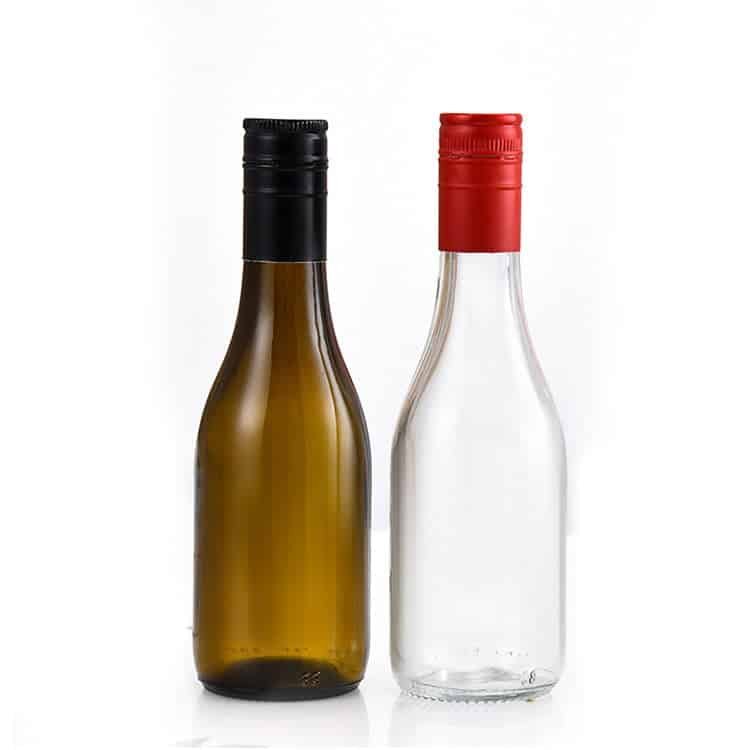
Cork and aluminium screw finishes both run across these profiles. Your quotation carries the finish drawing for each, so your bottling line or your contract bottler confirms the fit before anything is committed.
What is at stake
A sparkling bottle holds several atmospheres and is built for it: heavier glass, a thicker wall and a deep punt that turns pressure into hoop stress the glass can carry. Filling a still-wine bottle with a sparkling wine saves you nothing, and the failure mode is a bottle going off in your rack.
What we supply
Your sparkling profile is a separate design with the wall and punt that duty needs, and your quotation names it as such. Where your wine is petillant or lightly carbonated, that belongs on the enquiry, because the answer sits between the two, and you want it in writing.

Two finish families run across these profiles, and your quotation prices the closure and the capsule beside the glass.
Your quotation states the finish and the closure it takes, so your bottling line or your contract bottler signs off before any glass is committed.
Bulk terms from the factory. No tooling on a running profile, 15–20 days from confirmation, corked samples in your hand, and a pallet count printed beside your price.
Pallet or container
A running mould carries no tooling minimum, so your first order can be a single pallet, on identical terms for private-label bottlers and contract fillers. Cutting steel of your own starts at 12,000 pieces in extra flint, 50,000 in standard flint.
15–20 days
From confirmation on running moulds. Coloured melts run to a schedule, so your antique green and amber volumes reward an early order. A custom mould adds 30–45 days from drawing approval.
On request
Bottles go out so your bottler runs a corking or capping trial before you commit a vintage. On the custom path, an acrylic model lands in about 10 days at $500, then a sample mould at 35 days puts 5–10 bottles on your desk.
EXW · FOB
Warehousing and consolidation stay in-house, and we quote transit to your port. Your wine bottles travel with spirits or beer bottles in one container, which is how most opening orders ship.
Per profile, with the quote
A 187 ml quarter and a heavy sparkling magnum load nothing alike, and glass weight drives both your price and your freight. Your quotation gives pallet patterns and the 20GP and 40HC counts per profile.

A wine shelf is a row of the same four shapes, so your label, your capsule and your finish carry the whole difference. Our Shandong plant frosts, sprays, screen prints, hot stamps and labels in-house, so your decorated glass keeps the same 15–20 days as plain.
We quote decoration per design, beside the glass. Decoration and labelling in detail →

A bottle, a drawing or a photograph starts the check. These four became standards because a buyer reads them across a room and your bottling line already handles them, so you are likely to stay on running moulds. When an estate bottle of your own is the point, our mould shop prices it in three stages.
A full-size model of your bottle, so shape, shoulder, punt and label panel are signed off before steel is cut.
Real glass from a sample mould: 5–10 bottles for your bottler and your buyer to approve.
Your production tooling runs on the flint lines in Shandong. Minimum 12,000 pieces in extra-flint, 50,000 in standard flint.

We form your bottles in Shandong, decorate them on the same site and load them with our own warehouse team, so the glass, the closure and the pallet come from one supplier. Wineries in 40+ countries have shipped from these Shandong lines since 2013.
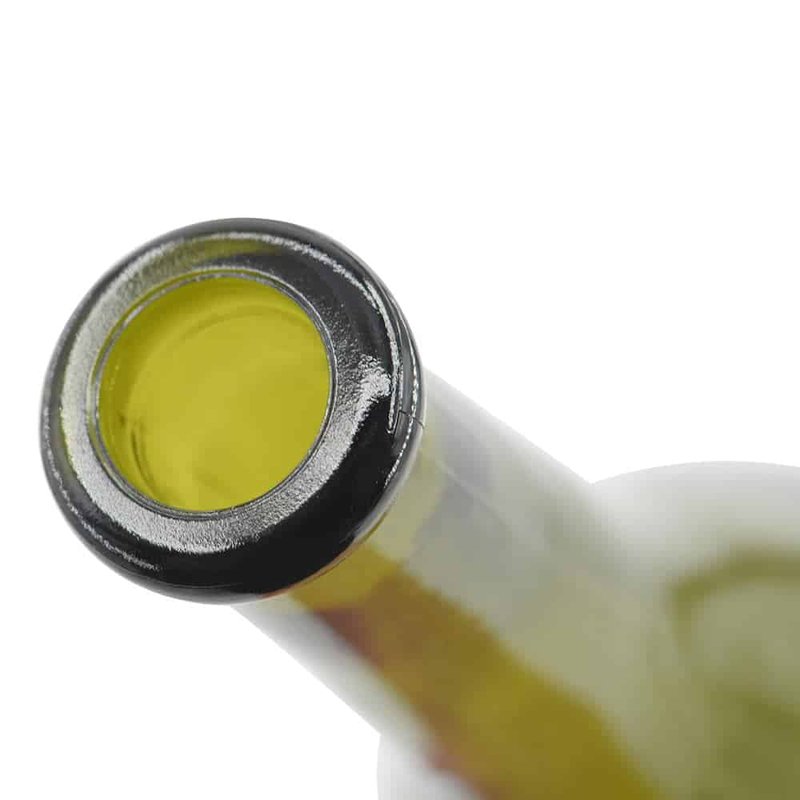
We gauge the cork bore and the screw finish on every run. A bore a fraction wide gives you seepage under the capsule months later, and your bottler discovers it at the corker.
We measure wall thickness and punt depth across the run. On the sparkling profile both carry your pressure, so the distribution of glass matters more than the average weight.
Controlled lehr curve on every bottle, and we check residual strain under polarised light on every run, with polariscope results on request. Your wine sits in racks for years, which is a long time for strain to find a weakness.
Your shipment carries an EC 1935/2004 declaration of compliance for the EU and UK, food-contact documentation to FDA requirements for the United States, and ISO 9001. SGS test reports and third-party pre-shipment inspection come on request.
Profiles, punts, cork or screw and the colours that run, in time for your bottling date.
The shoulder. A Bordeaux has a high, sharp shoulder and straight sides; a Burgundy slopes from neck to base with no shoulder at all. Your customer reads them as structured reds and as Pinot or Chardonnay long before reaching your label.
Your Bordeaux is 325 mm tall and 73 mm across at 750 ml. Burgundy runs wider and shorter for the same volume, and the Hock is taller and slimmer again, which is worth knowing before you commit to a carton or a shelf.
Bordeaux, Burgundy and sparkling all run punted. The Hock is a tall tapered bottle on a flat base, which is how that style has always been made. A deep punt adds glass weight and stacking strength, and on the sparkling body it is structural, because your bottle holds pressure. Glass weight per profile comes with your quotation.
A manufacturer. Your profiles are formed on our own lines in Shandong, one of MAIDAO INDUSTRY's two production sites. Wine distributors hold pallets in-market and sell by the case, which suits a small estate; from a full pallet upward the freight arithmetic turns in your favour at the furnace.
That is a market question, not a quality one. Your buyers in New Zealand, Australia and most of the New World expect screw caps; parts of Europe still read them as a lower tier. It also decides your bottling equipment, because a corker and a capper are different machines, so it belongs in your first message.
No. A sparkling bottle carries several atmospheres and is built for it with heavier glass, a thicker wall and a deep punt. A still bottle saves you nothing here, and the failure mode is a bottle letting go in your rack.
There is no tooling minimum on the four running-mould profiles, so your first order can be a single pallet. An embossed estate mark needs steel of your own, which starts at 12,000 pieces in extra flint or 50,000 in standard flint.
You have 187 ml quarters and 375 ml halves on the Burgundy, 500 ml on the Hock and sparkling profiles, and 1 litre and 1.5 litre magnums on Bordeaux and Burgundy. All run on the same finishes as the standard bottle.
Antique green, amber, blue and flint run as melts, and matte black and deep colours come from spray coating on clear glass at pallet quantity. Your colour is a light decision as well as a shelf one, because green and amber protect the wine and flint does not.
Yes. Your order ships with food-contact documentation to FDA requirements for the United States and an EC 1935/2004 declaration of compliance for the EU and UK, and SGS test reports come on request.
A profile, a colour or the bottle you fill today is enough to start. Our wine desk answers with pricing, heights and pallet counts inside 24 hours.
Matching running-mould bottles, pricing and pallet data come back within 24 hours.
The running moulds that fit get found before anyone talks about tooling.