
Every bottle and jar you buy is defined at the top, where the closure goes. The neck finish decides which cap seals it, which capping head runs it, and whether the container you shortlisted works with the closures you already stock. The finishes SGSBOTTLE forms on its 14 lines in Shandong and Xuzhou all belong to a handful of published families, and this library sets them out with the figures the standards publish, so your closure supplier and your line engineer can read your quotation the same way we wrote it.
What a Neck Finish Number Tells Your Cap Supplier
The threaded finish on your bottle carries two numbers, such as 28-400 or 24-410. The first is the nominal thread diameter in millimetres, the T dimension. The second is the thread series from the Glass Packaging Institute (GPI) and its plastics counterpart SPI: it fixes how many times the thread goes round, how tall the finish is and where the sealing surface your liner meets sits. The same pair on your cap and on your bottle means both follow the same drawing, so a 28-400 cap from Ohio fits a 28-400 bottle from Shandong.
The finishes you meet without threads carry other names. A crown finish takes its name from diameter and height in tenths of a millimetre, 26 H 180. A roll-on finish from diameter and skirt height, BVS 30×60. A lug finish from its cap size, 63 TO. A perfume neck from its crimp collar, FEA 15. Each of them has its own standard, and each is on the finish drawing that comes with your SGSBOTTLE quotation.
The Five Letters on a Finish Drawing: T, E, I, S and H
| Letter | What it measures | Why it matters to you |
|---|---|---|
| T | Outside diameter across the threads. | The number in the finish name. Your cap's inside thread diameter lands on it, so T out of tolerance is a cap that spins on or will not start. |
| E | Outside diameter of the neck at the root of the thread. | T minus E is the thread depth. A thread too shallow strips under the capping torque your line applies. |
| I | Inside diameter of the bore. | The published figure is a minimum, sized for your filling nozzle, dropper or pourer to pass through. |
| S | Distance from the sealing surface down to the top of the first thread. | It sets where your cap stops turning. S off the drawing means your cap seats before the liner touches glass, or after it has crushed it. |
| H | Height of the finish from the sealing surface to the point where T, extended down, meets the shoulder. | Your cap's skirt height follows it. H decides whether thread shows under your cap and whether a tamper band has a bead to break over. |
Two more figures usually travel with them: the sealing-surface width, and the bead or locking-ring diameter on a finish that takes a tamper-evident band. Your SGSBOTTLE quotation carries all of them on one drawing, and your closure supplier checks the cap against that drawing before you commit a container.
GPI Continuous-Thread Finishes: 400, 410, 415, 425 and 430
Continuous-thread (CT) finishes take a screw cap, a pump, a dropper collar or a sprayer. The series number tells you the shape of the thread.
| Series | Thread turns | Height | Where you meet it |
|---|---|---|---|
| 400 | One full turn. | Short. | The standard glass finish: your sauce and juice bottles, Boston rounds, packer and honey jars, and wide-mouth CT jars from 33 to 120 mm. |
| 410 | One and a half turns. | Medium. | Pumps, sprayers and dispensing caps on 18 to 28 mm necks: your soap, lotion and toner bottles. |
| 415 | Two turns, thinner thread. | Tall. | Dropper collars and tall dispensing closures on 13 to 28 mm necks: your essential oils, serums and nail lacquer. |
| 425 | Two turns, buttress thread with a top bead. | Tall. | Small vials and containers where you want application torque and a firm seal more than a slim look. |
| 430 | One to two turns, deeper thread. | Medium. | Repeat-opening packs and some 38 mm Boston-round caps; you see it less on glass. |
The GPI/SPI voluntary standard publishes the drawing for every diameter in each series; GPI keeps the full set for members. Three of them have pages of their own: 38-400, 28-400 against 28-410 and the 24-410 pump neck. The three sizes you are most likely to ask about follow, with the published nominal figures in millimetres.
| Finish | T | E | I (min) | H | S |
|---|---|---|---|---|---|
| 20-400 | 19.69 ± 0.20 | 17.55 ± 0.20 | 10.26 | 9.42 | 0.94 |
| 24-400 | 23.67 ± 0.20 | 21.54 ± 0.20 | 13.11 | 10.16 | 1.17 |
| 28-400 | 27.38 ± 0.25 | 24.99 ± 0.25 | 15.60 | 10.16 | 1.17 |
| 18-410 | 17.68 ± 0.20 | 15.54 ± 0.20 | 8.26 | 13.28 | 0.94 |
| 20-410 | 19.69 ± 0.20 | 17.55 ± 0.20 | 10.26 | 14.07 | 0.94 |
| 24-410 | 23.67 ± 0.20 | 21.54 ± 0.20 | 13.11 | 16.41 | 1.17 |
| 20-415 | 19.69 ± 0.20 | 17.55 ± 0.20 | 10.26 | 18.85 | 0.94 |
| 24-415 | 23.67 ± 0.20 | 21.54 ± 0.20 | 13.11 | 24.31 | 1.17 |
| 28-415 | 27.38 ± 0.25 | 24.99 ± 0.25 | 15.60 | 27.48 | 1.17 |
The glass drawings for the same finishes sit a few hundredths of a millimetre under the chart, which is a real difference when your cap supplier works to the plastic figures. The GPI glass 410 finishes, as published for glass, read: 18-410 T 17.63, E 15.49, H 13.03; 20-410 T 19.63, E 17.50, H 13.82; 22-410 T 21.64, E 19.51, H 14.61; 24-410 T 23.62, E 21.49, H 16.15; 28-410 T 27.33, E 24.94, H 17.73, all with T and E at ± 0.25. Your quotation names which drawing the bottle is made to, so the cap is matched to the glass and never to a chart.
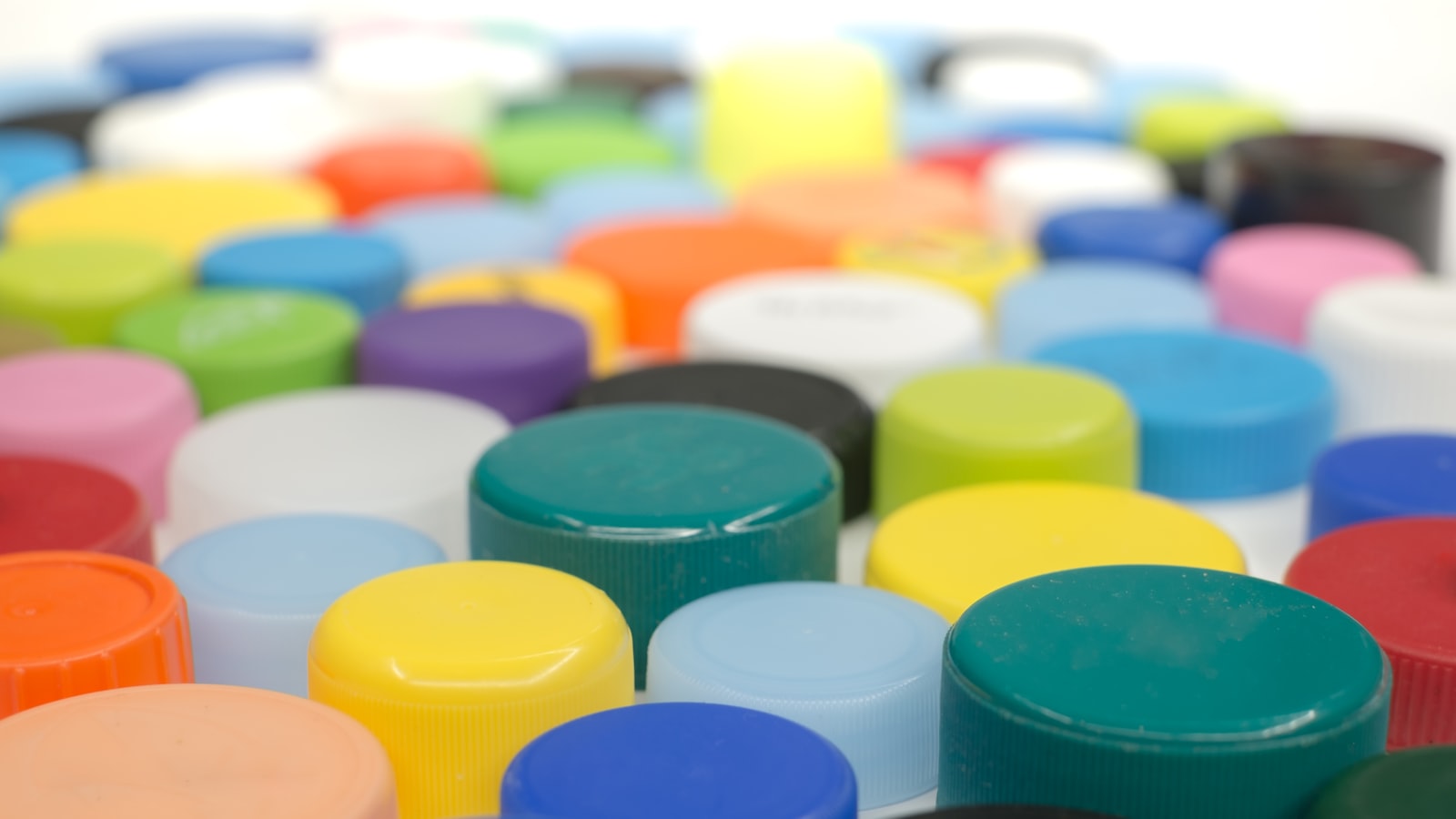 Continuous-thread caps: the series number on your cap and on your bottle has to match, and diameter alone never settles it.
Lug (Twist-Off) Finishes for Jars: 38 to 110 mm
A lug finish carries four or six short thread segments instead of a continuous thread. A metal vacuum cap with matching lugs goes on with a quarter turn and holds a vacuum after your hot fill or pasteurisation cycle, so jam, honey, pickles, sauces and baby food sit on it. The standard is ISO 9100, mirrored in Europe by the Cetie GME 20 data sheets and in North America by the GPI 2030 series (2035 for the tall-H version). The lug twist-off finishes page sets out every size with its depth classes.
| Nominal size | ISO 9100 depth classes | Where you meet it |
|---|---|---|
| 27, 30, 33 mm | Regular, medium | Small sauce and dressing bottles |
| 38 mm | Regular, medium | Hot-sauce and syrup bottles, small honey jars |
| 43, 48 mm | Regular | Sauce and condiment jars, small spice and honey jars |
| 53, 58 mm | Regular; 58 also deep | Honey, jam and mustard jars; the 58 deep version holds your high-vacuum hot fills. |
| 63, 66, 70 mm | Regular and deep | The core preserve, sauce and pickle sizes; 70 deep gives you the strongest vacuum in the family. |
| 77, 82 mm | Regular | Wide-mouth pickle, chutney and large preserve jars that your filler drops whole fruit into. |
| 89, 100, 110 mm | Regular | Catering and bulk jars for your food-service range. |
The cap you buy carries the same number with TO for twist-off: 63 TO, 70 TO, 82 TO. The size names the cap diameter, so a jar quoted to you at 70 mm takes a 70 TO cap from any maker that works to the standard. Depth class and lug count still have to match, and the drawing settles both; a sample of the cap you run today comes back from SGSBOTTLE matched to the jars that fit it.
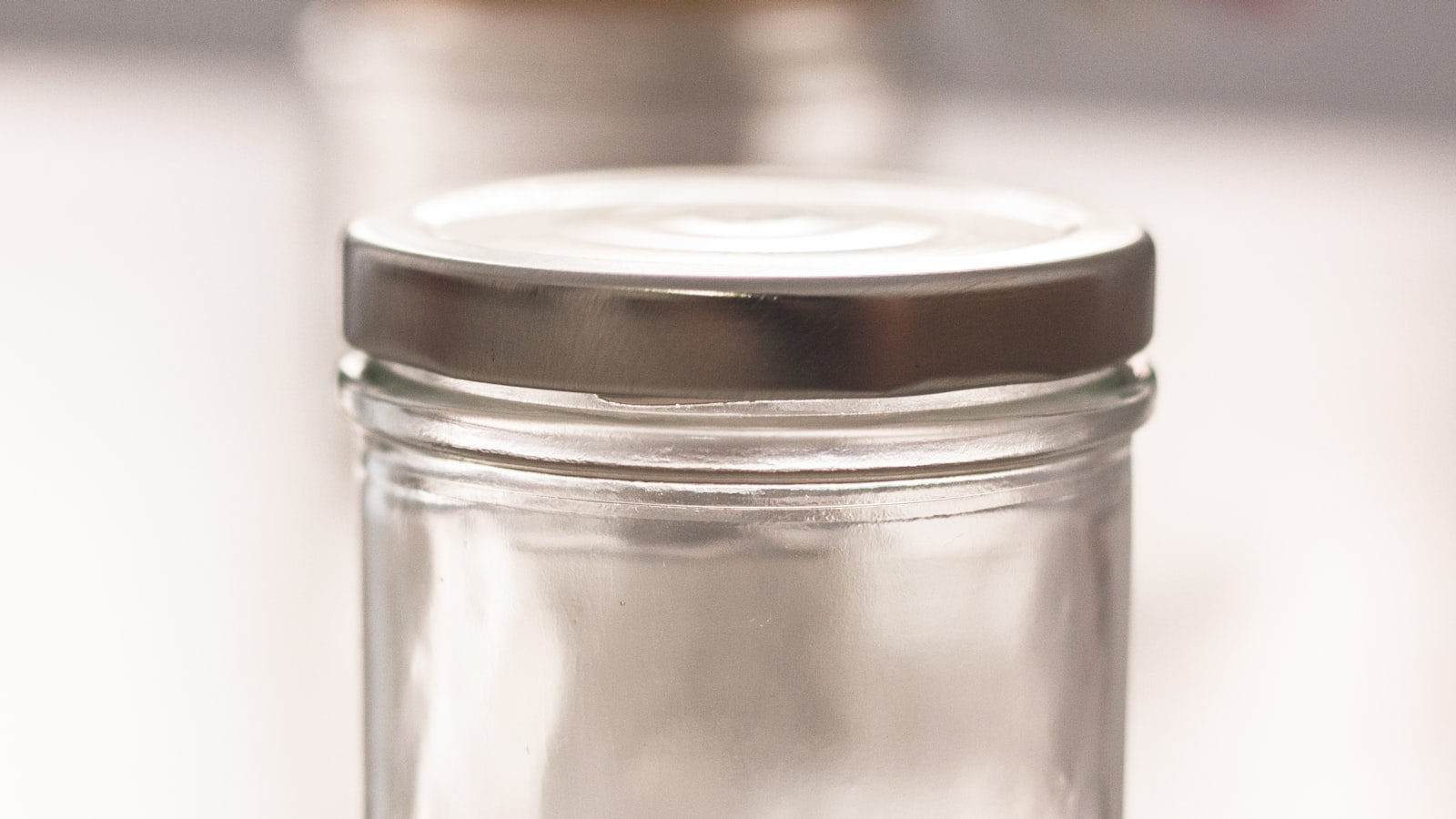 A twist-off lug jar: your cap turns a quarter and holds the vacuum your hot fill leaves behind.
Crown, Swing-Top and Pressure Finishes for Beer and Sparkling Drinks
A crown finish is a plain lip that a crimped crown cork grips. ISO 12821 defines the 26 H 180 finish, 26 mm nominal and 18.0 mm tall, with a bore of 16.5 to 18.0 mm at the top and a through bore of at least 15.5 mm; ISO 12822 defines the shallow 26 H 126 at 12.6 mm tall. The 26 H 180 crown finish page carries the crimping edge and the bore in full. Your beer, cider and soft drinks run on 26 mm; your sparkling wine takes the 29 mm crown of the Cetie GME 13.04 sheet. A crown finish is identical across the industry, so your crown capper does not change when the bottle does, and pressure resistance is a property of the bottle body and its wall distribution, never of the finish.
A swing-top finish has no thread and no published series number: the wire bail locates on a neck ring, and the ceramic or plastic stopper seals on a rubber gasket. The swing-top and clip-top necks page sets out what your drawing has to carry. The dimensions that matter are the ring diameter and its distance from the top, and both are on your drawing. Its pressure rating is a bottle rating, and it decides whether the design suits your fermented drink.
 A 26 mm crown finish is identical across the industry, so your crown capper stays put when the bottle changes.
ROPP and BVS Finishes for Wine, Spirits and Oil: 28H44, 30H60, 31.5H60
A roll-on pilfer-proof (ROPP) finish takes an aluminium cap that arrives as a plain shell; the capping head rolls the thread onto the glass and tucks a band under a locking ring, so nobody removes the cap without breaking it. Diameter and skirt height in millimetres name these finishes, and the Cetie GME 30.14 sheet covers the three two-start versions, 28H44, 30H60 and 31.5H60, alongside the BVS finishes derived from EN 16293. The 30H60, also called BVS 30×60 or Stelvin, is the standard screw finish for still wine, set out dimension by dimension on the BVS 30x60 page, and a common spirits finish; 28H44 and 31.5H60 sit on spirits, liqueurs and olive oil by market and by brand.
| BVS 30×60 dimension | Nominal (mm) | Tolerance |
|---|---|---|
| T, thread diameter | 28.3 | ± 0.3 |
| E, seal diameter | 26.1 | ± 0.3 |
| L, locking-ring diameter | 28.9 | ± 0.3 |
| N, neck diameter under the finish | 25.5 | L minus N between 3.0 and 4.0. |
| F, total finish height | 21.4 | ± 0.2 |
| S, top to start of thread | 2.8 | ± 0.25 |
| H, height of the threaded part | 10.4 | ± 0.2 |
| Y, neck diameter at 59.5 mm from the top | 29.6 | ± 0.7 on a batch, ± 0.4 on one bottle. |
| Through bore | 17.5 minimum |
Your capper builder works from those figures, and they explain why a ROPP finish never swaps with a CT finish of the same diameter: your line forms the thread, the band needs the locking ring, and the neck has to stay round to ± 0.4 mm on every bottle for the cap to roll on straight.
 Bar-top spirits bottles: the bore diameter and its tolerance set how hard your stopper pulls.
Cork, Bar-Top and Stopper Finishes for Spirits
A cork-mouth finish is a plain bore with no thread. EN 12726 defines the cork mouth with an 18.5 mm bore for natural and synthetic corks under a tamper-evident capsule, the standard wine finish; the Cetie GME 50.02 sheet defines a narrow 17.5 mm entry bore for still wines. Spirits and liqueurs mostly take a bar-top stopper, a T-shaped cork or synthetic shank under a wooden or plastic head, and the Cetie GME 51.00 sheet defines the bar-top finish, its stopper and its overcap for neck diameters of 27, 29 and 34 mm. The bar-top and cork finishes page covers the bore and the pull force it sets.
On a bar-top bottle your stopper supplier asks for two figures, the bore diameter and its tolerance, because they set the pull force: a bore 0.3 mm wide gives you a stopper that lifts out in transit, and one 0.3 mm tight gives you a stopper that breaks its head. Both go on the drawing, and a sample of your stopper comes back from SGSBOTTLE matched to the bore of the bottle you shortlisted.
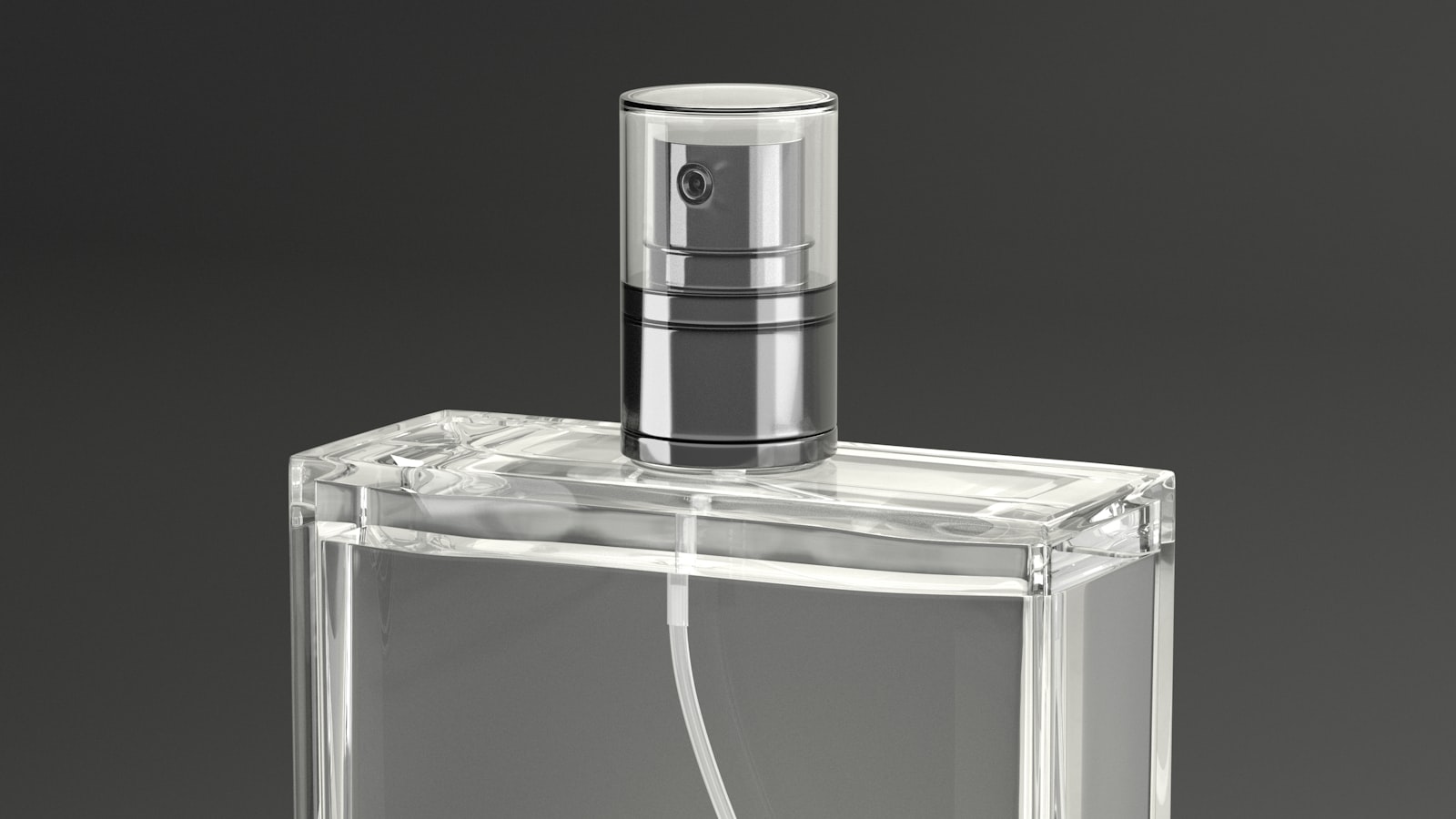 A fragrance flacon before its pump: FEA 15, 18 or 20 names the collar your pump crimps onto.
Perfume and Cosmetic Finishes: FEA 15, FEA 18, FEA 20 and 13-415
Fragrance bottles use the FEA system, named after the French Flacon Embout Atomiseur standards. A crimp finish is a plain neck with a bead that a spray-pump collar is crimped onto; FEA 15 takes a 15 mm collar, FEA 18 an 18 mm collar and FEA 20 a 20 mm collar, with FEA 13 on miniatures. Most small and medium flacons sit on FEA 15 and larger ones on FEA 18 or FEA 20, and the FEA necks page sets out the family. Screw-pump versions of the same necks exist for pumps that thread on, the Cetie GME 40 sheets cover both, and your pump supplier names the collar first and the bottle second.
Smaller cosmetic glass runs on the tall GPI series: 13-415 on nail lacquer and lab vials, 18-415 and 20-415 under dropper collars, 18-400 and 20-400 on Boston-round dropper bottles, and 24-410 or 28-410 under lotion and foamer pumps. European essential-oil bottles carry the DIN 18 finish, an 18 mm neck for tamper-evident dropper caps that is its own standard, and your 18-400 dropper cap does not fit it. The dropper finishes page compares all three.
Special Finishes: 43-485 Spice, 70-450G and 86-450G Mason, 38 mm DBJ
Three finishes turn up on every North American line sheet and belong to no general series.
- 43-485 spice finish. The standard for spice jars with sifter inserts, flip-top and shaker caps. It shares the 43 mm diameter with 43-400 and nothing else; a 43-400 cap does not fit it, and your US spice buyer asks for it by number. The 43-485 finish page compares the two.
- 70-450G and 86-450G mason finishes. The regular-mouth and wide-mouth canning finishes of Ball and Kerr jars, a continuous thread made for a two-piece lid with a separate band. The G marks the glass version; regular mouth is 70 mm, wide mouth 86 mm, and the mason finishes page covers both.
- 38 mm DBJ. The dairy, beverage and juice finish under a snap-on, tamper-evident screw cap, common on juice and milk bottles in North America; 38 mm and 43 mm CT finishes with tamper-evident bands do the same job on glass.
Finish Families by Product: Where Each One Turns Up
| Product | Finish family you will usually see | Closure it takes |
|---|---|---|
| Jam, honey, sauce and pickle jars. | Lug, 38 to 110 mm; 58, 63, 70 and 82 most common. | Twist-off vacuum cap, 63 TO and so on. |
| Hot sauce, syrup and dressing bottles. | 24-400, 28-400, 38-400 CT, or 38 mm lug. | Screw cap with liner, flip-top or dripper insert. |
| Spice jars. | 43-485, or 43-400 and 53-400 CT. | Sifter cap, shaker lid, flip-top. |
| Olive oil bottles. | 31.5H60 or 28H44 ROPP, bar-top, or 28-400 CT. | Rolled aluminium cap with pourer, T-cork, screw cap. |
| Beer, cider and soda bottles. | 26 H 180 crown, 26 H 126 shallow crown. | Crimped crown cork. |
| Swing-top bottles. | Swing-top neck ring, no series number. | Wire bail and gasketed stopper. |
| Juice and milk bottles. | 38 mm or 43 mm CT with tamper band, 38 mm DBJ. | Tamper-evident screw cap. |
| Water bottles. | 28-400 CT, 26 H 180 crown, swing top. | Screw cap, crown, bail stopper. |
| Wine bottles. | 18.5 mm cork mouth, BVS 30×60. | Cork with capsule, Stelvin-type screw cap. |
| Spirits and liqueur bottles. | Bar-top 27, 29 or 34 mm; 28H44 and 30H60 ROPP; 28-400 CT. | T-cork, rolled aluminium cap, screw cap. |
| Perfume bottles. | FEA 15, FEA 18, FEA 20 crimp or screw. | Crimp or screw spray pump. |
| Dropper and roller bottles. | 18-400, 18-415, 20-415, DIN 18. | Dropper collar, roll-on fitment, tamper-evident dropper cap. |
| Liquid soap and lotion bottles. | 24-410, 28-410 CT. | Lotion pump, foamer, disc-top cap. |
| Candle and storage jars. | 58 to 110 mm CT, lug, or a bail-and-clip ring. | Metal or wood screw lid, twist-off, clip-top. |
The families are the industry's, and the pattern holds across the catalogue: a jam jar from SGSBOTTLE in Shandong, is on the same 63 or 70 mm lug standard as a jam jar from Ohio or Bavaria. What differs from one factory to the next is the drawing tolerance and how consistently the finish is held to it, and that is the part your sample and your inspection report settle.
What Goes on the Enquiry to Match Your Existing Cap
A cap match needs three things: the cap itself or its drawing, the finish name if you have it, and the fill and the capping head you run it on. With those, SGSBOTTLE engineers return the stock designs whose finish drawing the cap fits, with the drawing attached, so your closure supplier confirms the match on paper before you commit a container. Custom finishes, from a proprietary bar-top bore to a lug count your capper needs, go into the mould at the sample-mould stage and are checked on the 5 to 10 decorated samples that come off it.