Beverage glass · Dairy and drinking bottles
One trip or twenty. Tamper evidence your dairy inspector accepts. Eleven bodies on running moulds.
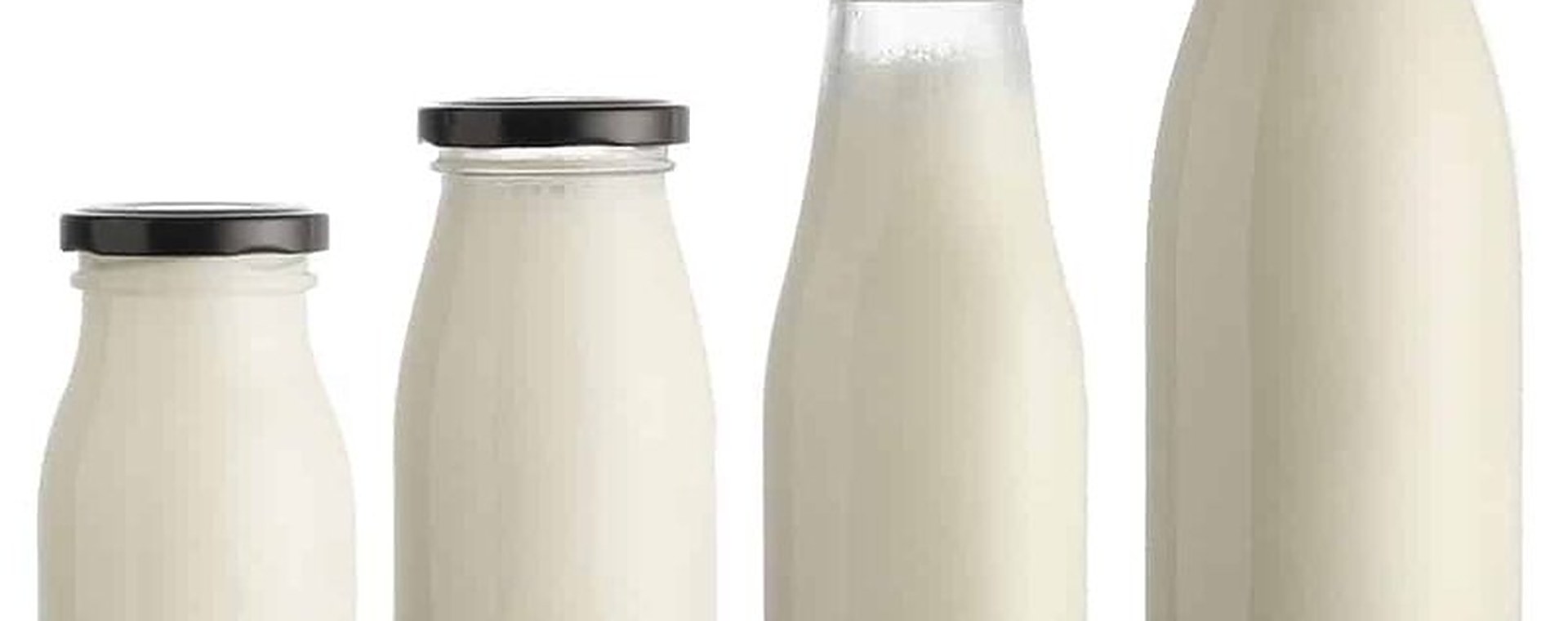
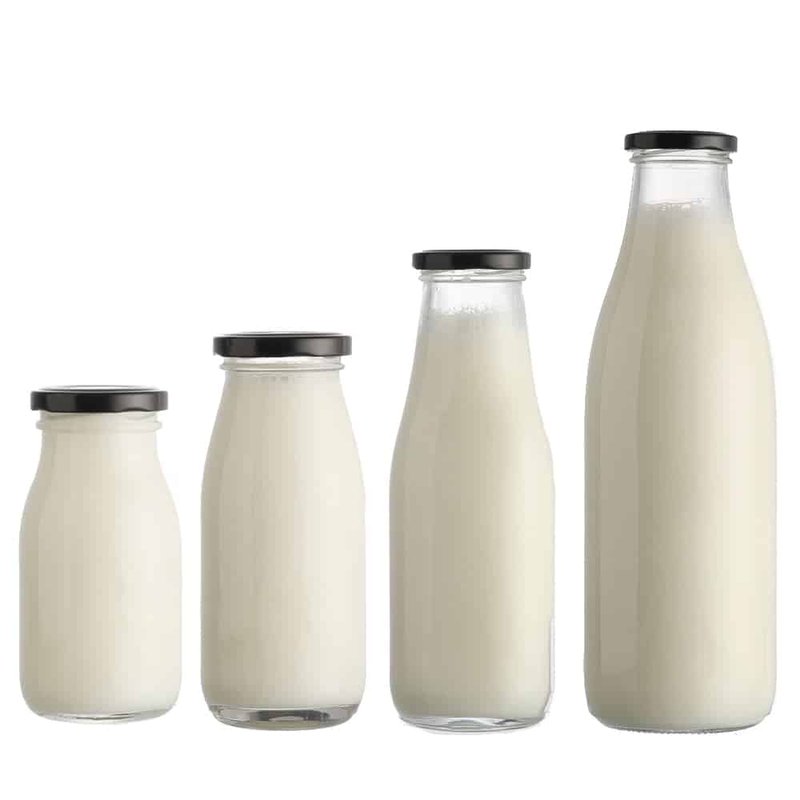
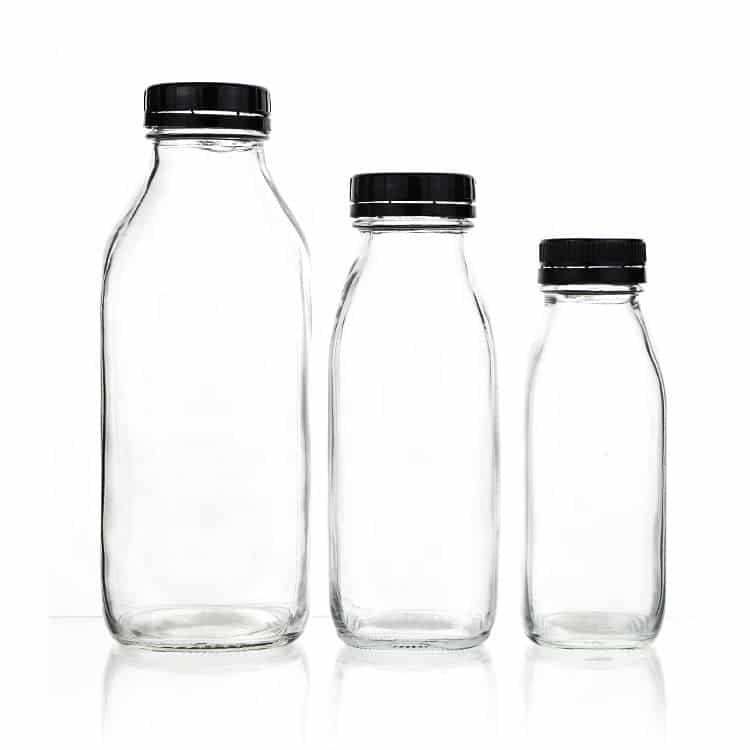
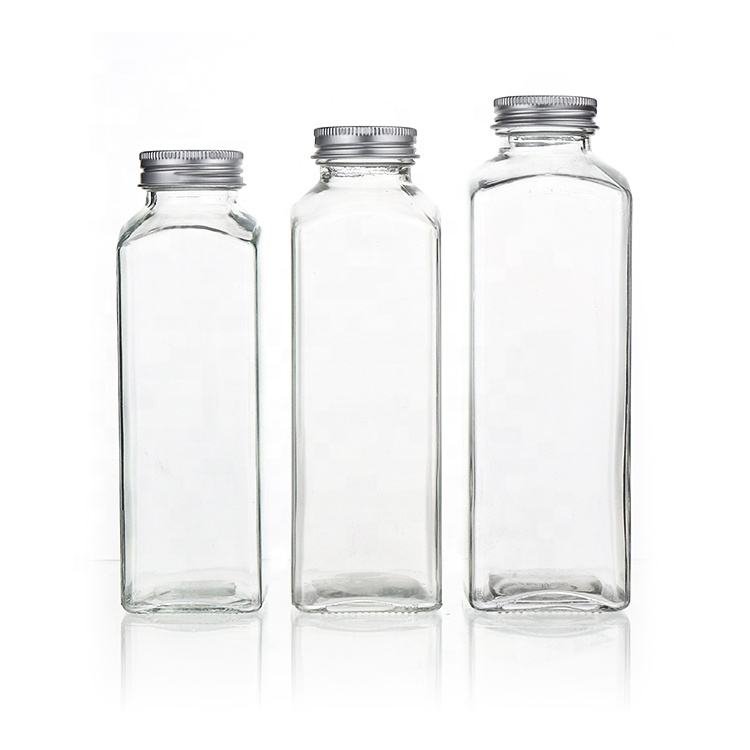
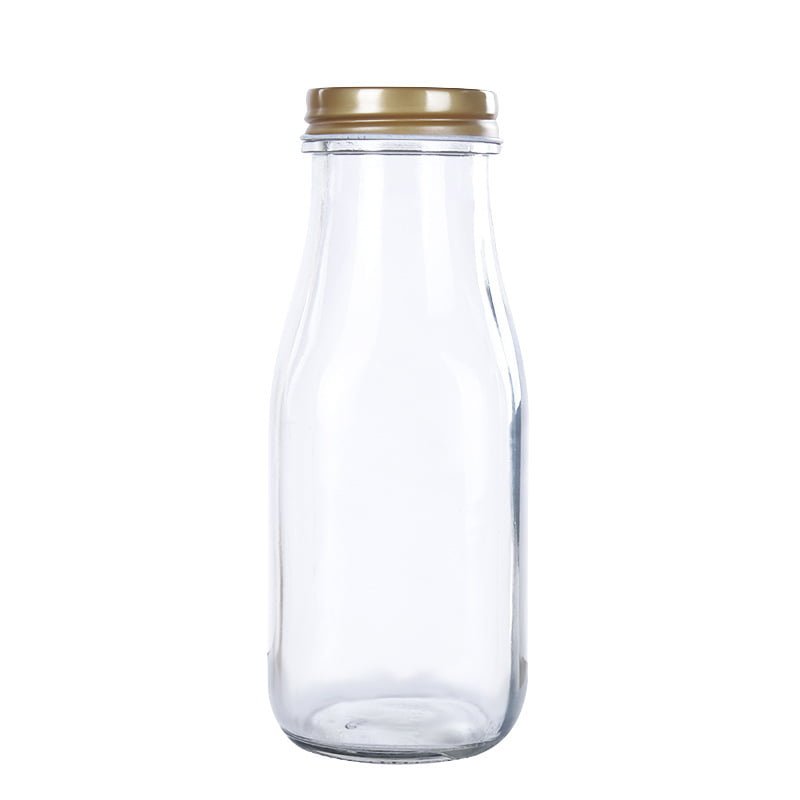
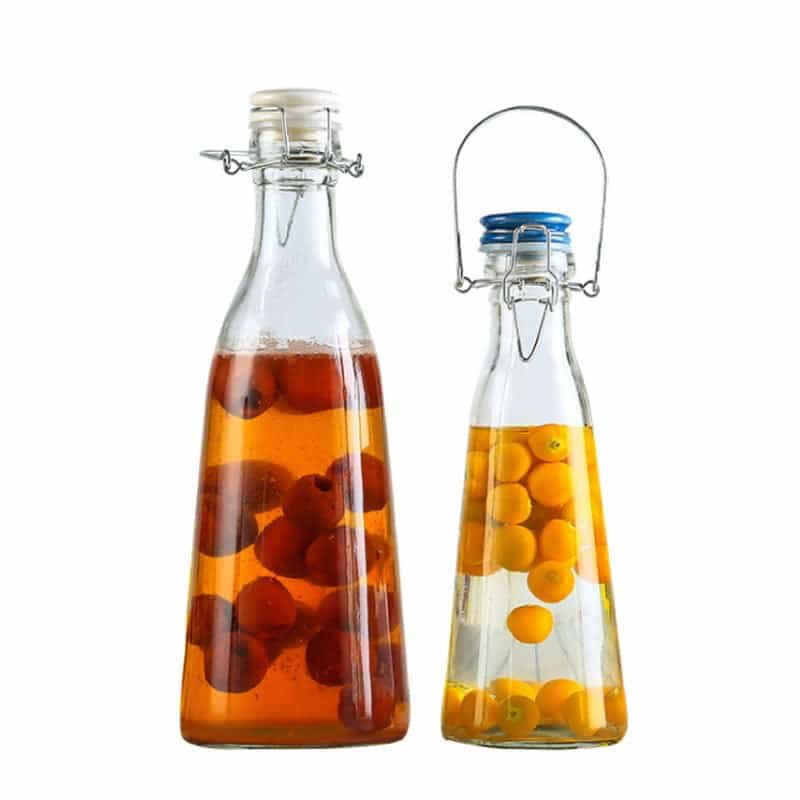
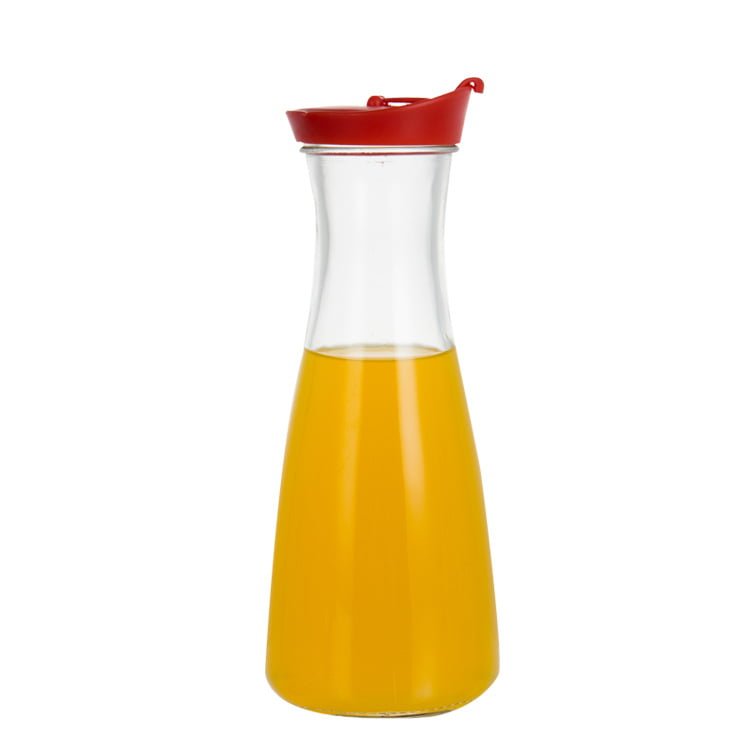
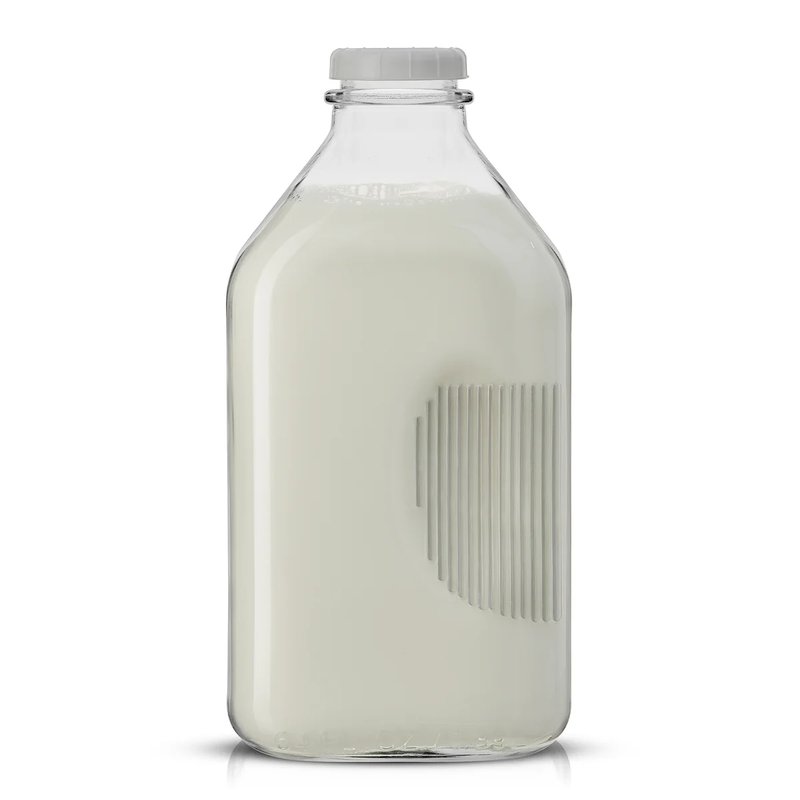
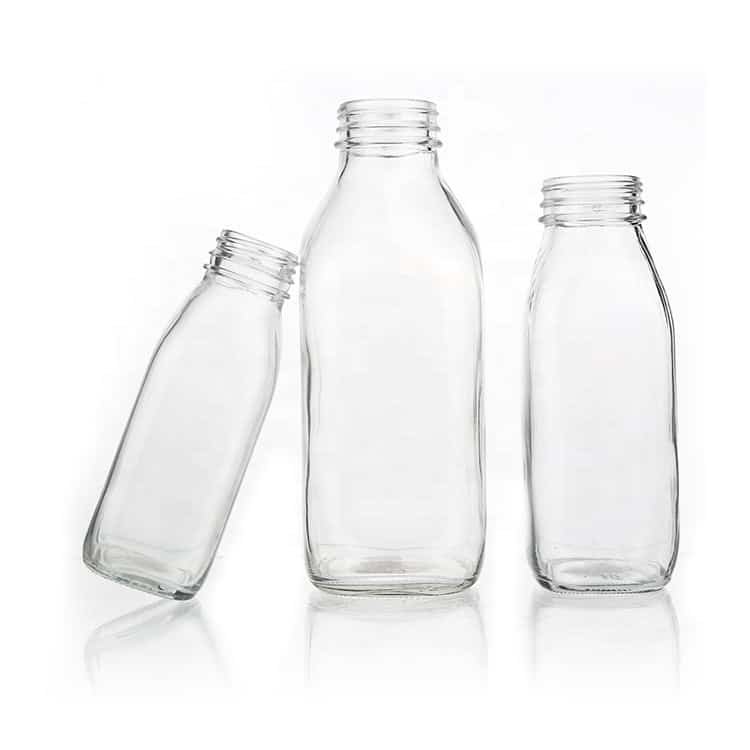
Whether you run a dairy, a creamery or a doorstep round, you buy this glass for one trip or for twenty, and we form it on our own lines in Shandong. Your eleven running-mould choices cover 50 ml to a half US gallon (64 oz): classic doorstep rounds, French and tall squares, carafes and wire-handled bottles. On a dairy line the cap is where your audit happens, so your quotation prices the closure with the glass.
Eleven running-mould bodies, filtered by closure. On a dairy line the cap decides the filler, the tamper evidence and the audit, so it belongs at the front of your shortlist. We quote wholesale per body and per pallet.


No running-mould bottle carries that closure at that size. Your quotation can still cover it, because several of these bodies share a finish.

Dairy is the most audited product any of these bottles will hold, and the glass is rarely what your inspector asks about. Three things reach you in writing before a deposit.
What is at stake
A bottle you sell once and a bottle you wash and refill twenty times are two different purchases. Your returnable loop puts bottles through caustic wash at temperature, crate handling and scuffing, and a light one-trip bottle will not survive that cycle economically. Buying the wrong one shows up as breakage rates months later.
What we supply
The service model belongs in your first message, because it sets the glass weight before it settles the shape. Where the bottles go into a refill loop, say so and the quotation comes back against that duty, with sample bottles you can put through your own wash.
What has to match
Milk is where tamper evidence stops being a marketing feature. Retail dairy needs a closure that visibly fails on first opening, and which form counts depends on your market: a tamper-proof plastic cap in one, a foil-lined tinplate in another, an aluminium roll-on somewhere else. A closure your buyer's auditor does not recognise stops your listing.
What we supply
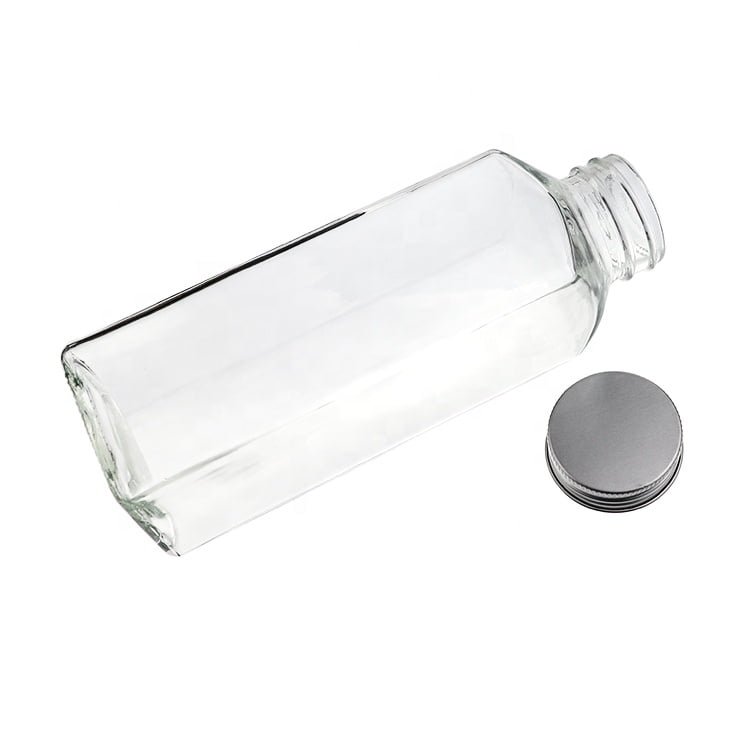
Five closure systems run against these bodies for you: tamper-proof plastic, tinplate, aluminium, PE pour lids and wire-handled tinplate. Your quotation names the cap, the liner and the finish it seals against, so your dairy's technical team signs it off on paper.

What is at stake
Milk goes in cold. The heat comes from your wash line, and from pasteurising where you fill hot. Repeated cycles between hot caustic and cold rinse find every piece of residual strain in a bottle, and they find it in your crates long before a lab would.
What we supply
We anneal every bottle on a controlled lehr curve and check it under polarised light on every run, with polariscope results on request. Where your line washes and refills, that duty gets stated on the enquiry and the quotation answers it design by design.
Five closure systems come with the bottles, each matched to the finish on the design you shortlist.
Your quotation states the cap, the liner and the finish it seals against, so your dairy's technical team signs off before any stock is committed.
Bulk terms from the factory. No tooling on a running body, 15–20 days from confirmation, bottles sampled with the cap fitted, and a pallet count printed beside your price.
Pallet or container
A running mould carries no tooling minimum, so your opening order can be a single pallet, on identical terms for private-label dairies and creamery co-operatives. Cutting steel of your own starts at 12,000 pieces in extra flint, 50,000 in standard flint.
15–20 days
From confirmation on running moulds, glass and closures together. A custom mould adds 30–45 days to your lead time, counted from drawing approval.
On request
Bottles ship capped, so your line can run a fill, a cap and a wash cycle before you commit. On the custom path, an acrylic model lands in about 10 days at $500, then a sample mould at 35 days puts 5–10 bottles on your desk.
EXW · FOB
Warehousing and consolidation stay in-house, and we quote transit to your port. Your milk bottles travel with juice or water bottles in one container, which is how most opening orders are built.
Per size, with the quote
This range runs from a 50 ml pudding jar to a half gallon, so one anchor would mislead you. Your quotation gives carton dimensions and the 20GP and 40HC counts for each size you asked about.

A doorstep bottle carries your dairy's name for years, and a printed mark outlives a paper label through a wash line. Our Shandong plant screen prints, frosts, sprays, hot stamps and labels in-house, so your decorated glass keeps the same 15–20 days as plain.
We quote decoration per design, beside the glass. Decoration and labelling in detail →

A drawing, a bottle off your round or a photograph starts the check. Running bodies cover almost any dairy brief you bring, and a returnable bottle is better served by a printed mark than by fresh steel. When your dairy wants an embossed bottle of its own, our mould shop prices it in three stages.
A full-size model of your bottle, so shape, shoulder, grip and label panel are signed off before steel is cut.
Real glass from a sample mould: 5–10 bottles with caps fitted, for your filler, your wash line and your retailer to approve.
Your production tooling runs on the flint lines in Shandong. Minimum 12,000 pieces in extra-flint, 50,000 in standard flint.

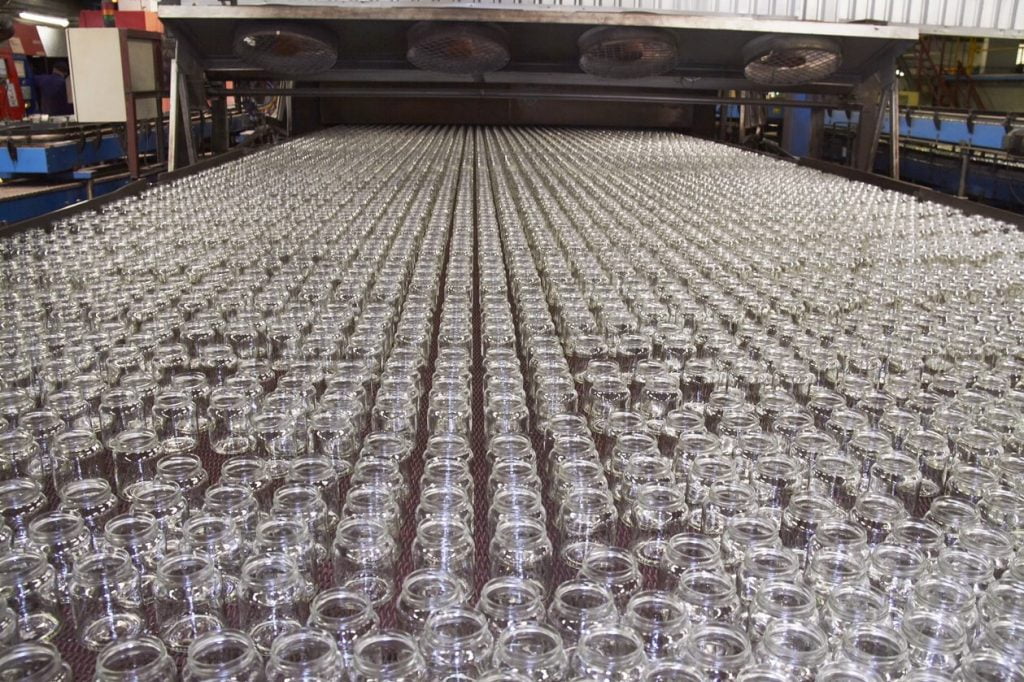
We form your bottles in Shandong, decorate them on the same site and load them with our own warehouse team, so one supplier answers for the glass, the cap and the crate. Dairies in 40+ countries have shipped from these Shandong lines since 2013.
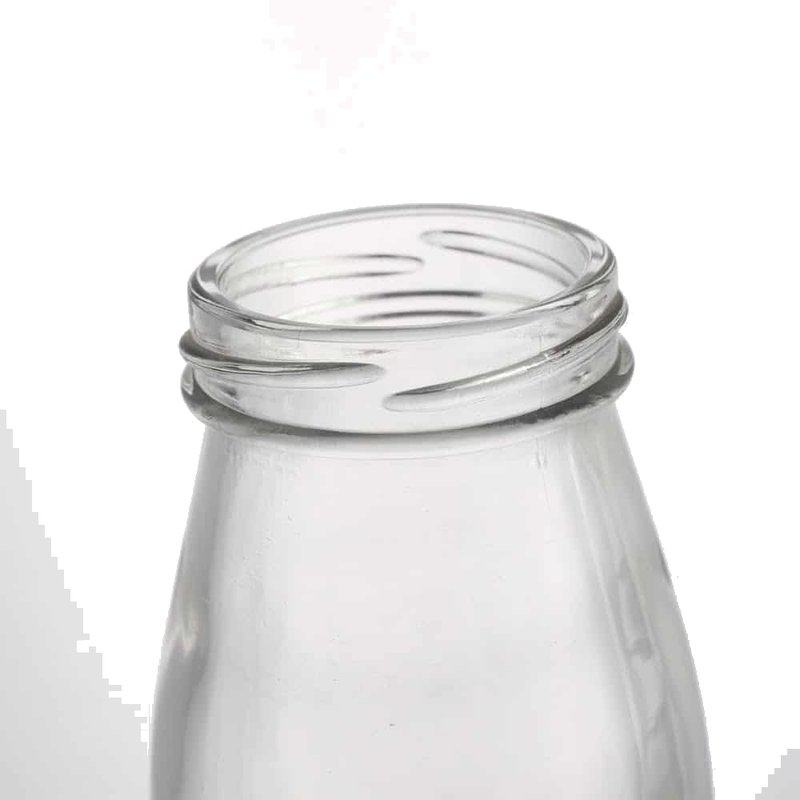
We inspect the neck and sealing surface on every bottle. Dairy is filled cold and audited hard, and a finish that lets a cap sit proud costs you a rejected pallet at goods-in.
Controlled lehr curve on every bottle, and we check residual strain under polarised light on every run, with polariscope results on request. A bottle you wash and refill meets more thermal shock in its life than a one-trip bottle ever does.
We verify brimful capacity by water-fill weight on every run, and the mould number in the base traces any drift on your pallet back to the cavity that caused it.
Your shipment carries an EC 1935/2004 declaration of compliance for the EU and UK, food-contact documentation to FDA requirements for the United States, and ISO 9001. SGS test reports and third-party pre-shipment inspection come on request.
Refill duty, tamper evidence and the sizes each market prints, in the form your auditor asks for them.
That depends on the glass weight you buy, not the shape you pick. A refill loop puts your bottles through caustic wash, crate handling and scuffing many times over, and the glass weight has to answer that duty from the start. Whether your bottles come back belongs on the enquiry, and your quotation then answers design by design.
Tamper-proof plastic caps with a tear band, lined tinplate and rolled aluminium, all priced with your glass. Which one a market accepts differs, so your quotation names the cap, the liner and the finish it seals against for your dairy's technical team to sign off.
There is no tooling minimum on the 11 running-mould bodies, so your opening order can be a single pallet. An embossed creamery name needs steel of your own, which starts at 12,000 pieces in extra flint or 50,000 in standard flint.
From 50 ml to a half US gallon. A UK pint is 568 ml and a US pint is 473 ml, so a 500 ml bottle serves neither exactly and your label market decides. Your busiest steps will be 250 ml (8 oz), 500 ml (16 oz), 1 litre, a little over a US quart, and the half gallon jug.
A manufacturer. Your bottles are formed on our own lines in Shandong, one of MAIDAO's two production sites, and finished on the same site. Dairy supply distributors hold crates locally for a small round; from a pallet upward the freight maths turns in your favour at the furnace.
Around 500 ml, and the classic round body runs 200, 250, 500 and 1000 ml so your pint and your litre share one look on a doorstep. You also have a half US gallon at 1.89 litres with a moulded side grip.
Yes, measurably, and you see it in crate pockets and pallet counts before anywhere else. The French square and tall square bodies use the footprint a round bottle wastes. Round still reads as dairy on a doorstep, so both run for you.
Yes, through a mould of your own, and it is the most common reason a creamery cuts steel. Your acrylic model takes about 10 days at $500, a sample mould 35 days at around $1,200, and production tooling $1,200 to $2,200 against a 12,000-piece minimum.
Yes. Your order ships with food-contact documentation to FDA requirements for the United States and an EC 1935/2004 declaration of compliance for the EU and UK, and SGS test reports come on request.
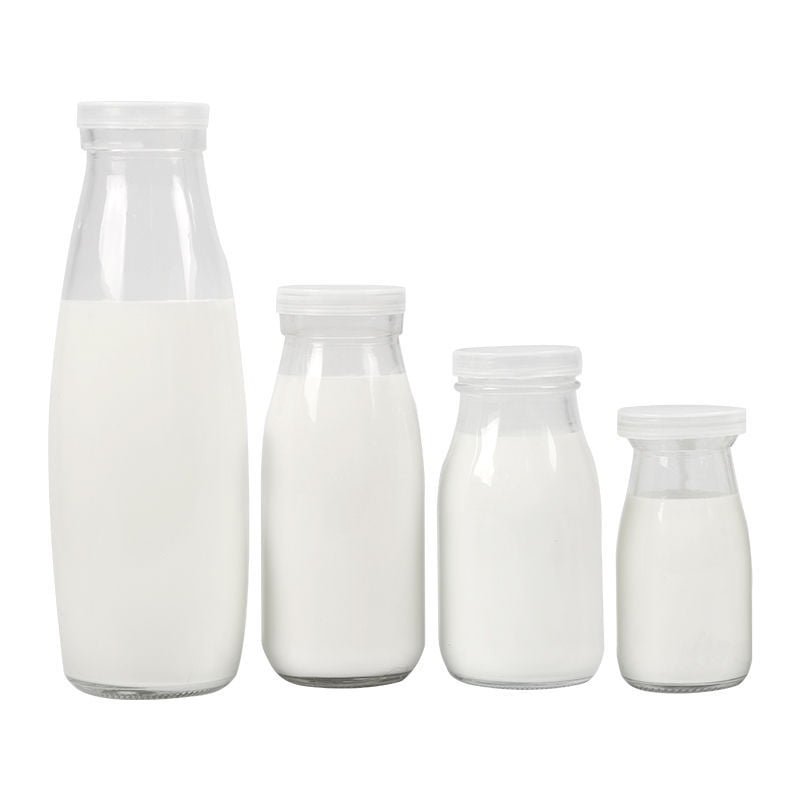
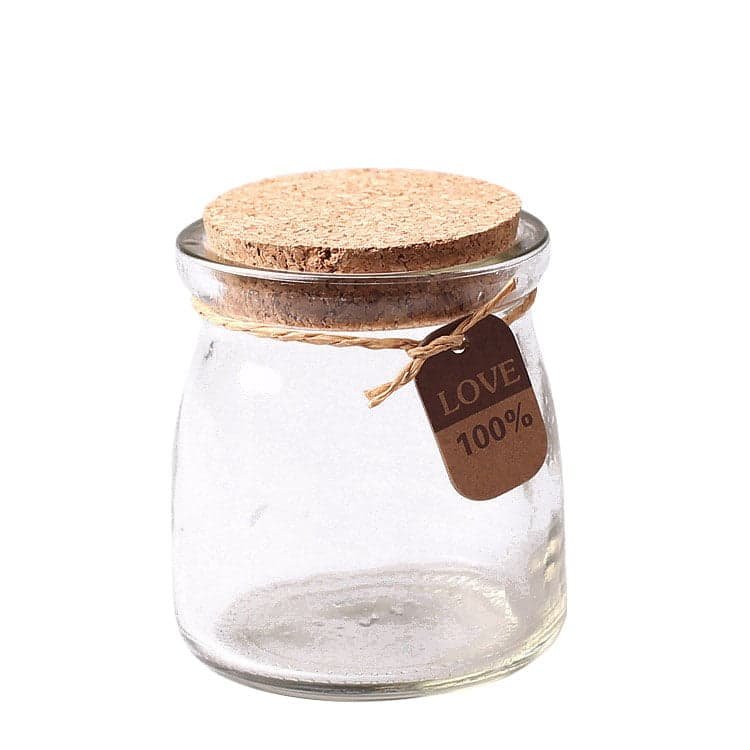
Yes. The pudding jar runs 50 ml to 200 ml with PE or tinplate lids, for your set desserts, yoghurt and cream portions, and it ships in the same container as your larger bottles.
A size, a cap or the crate you already use is enough to start. Our dairy desk answers with pricing, drawings and pallet counts inside 24 hours.
Matching running-mould bottles, pricing and loading data come back within 24 hours.
The running moulds that fit get found before anyone talks about tooling.