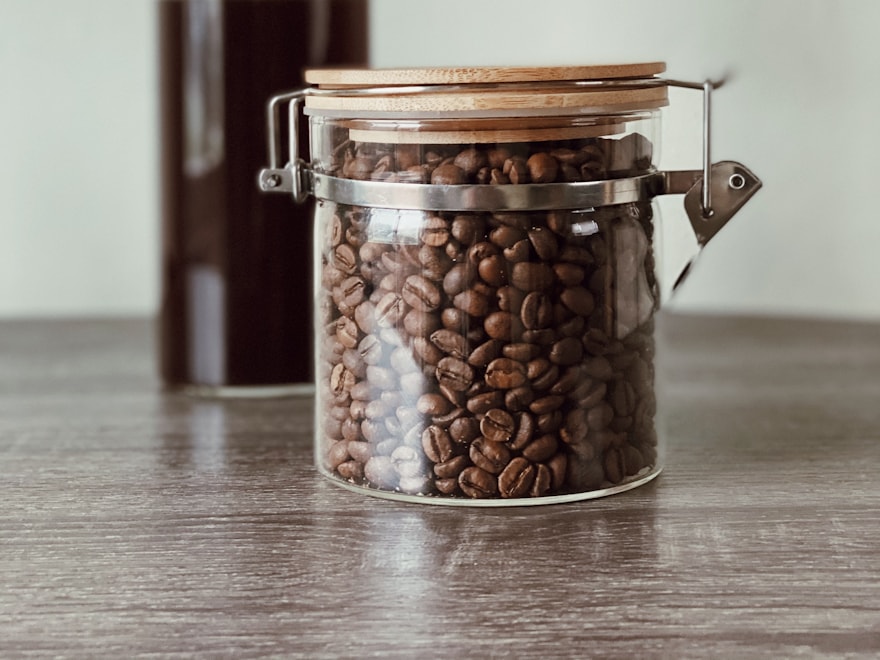
Food glass · Pantry and preserving jars
One clamp system across ten sizes. A gasket you can replace. A ladder that loads a container properly.
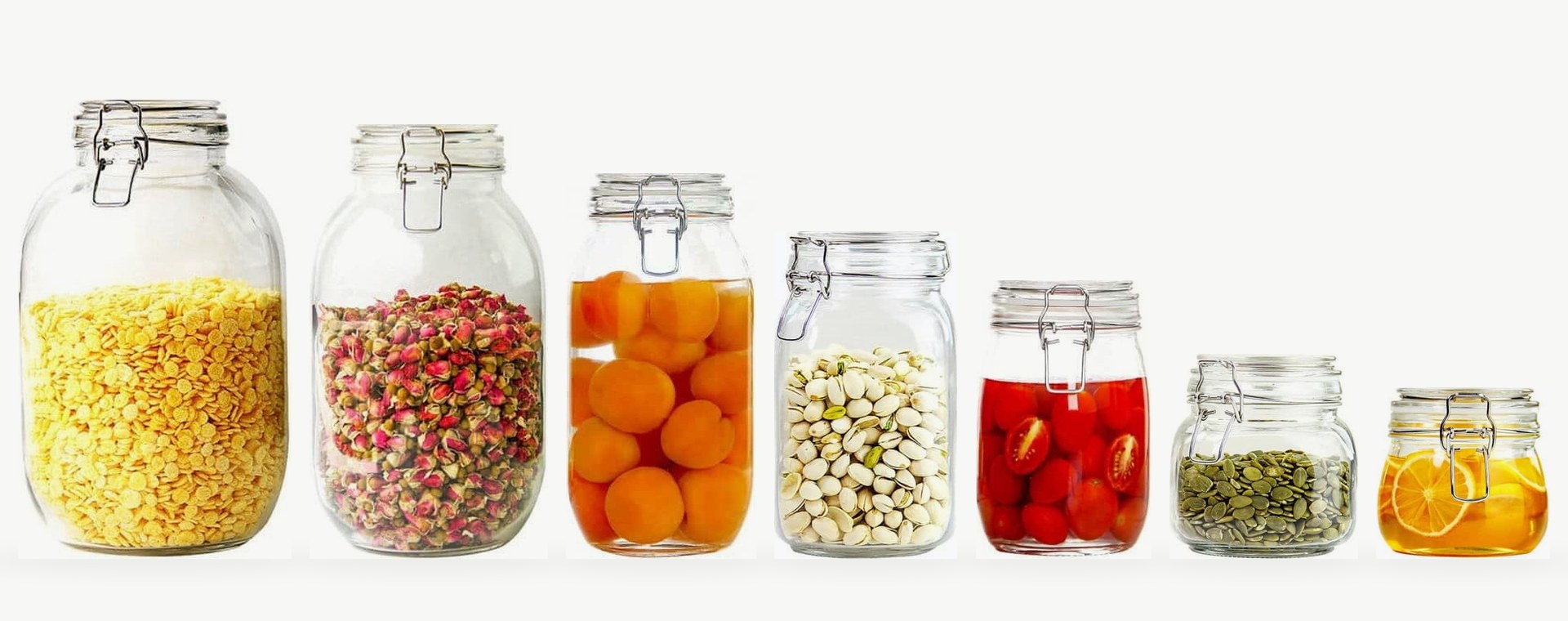
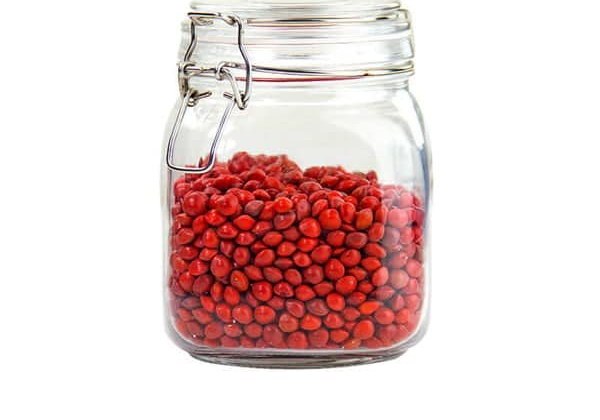
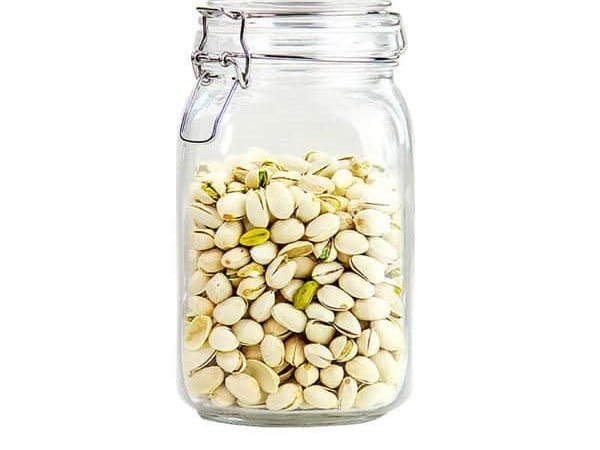
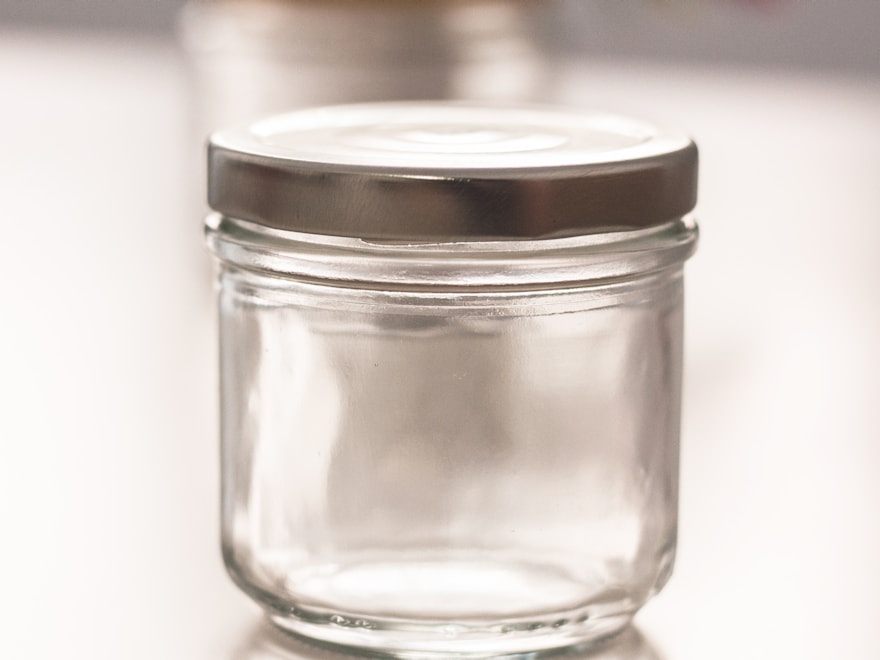
If you sell kitchenware, a pantry range or bulk food, you buy this ladder whole, and every size comes off our own furnaces in Shandong. Your ten clip-top jars from 500 ml to 5 litres (17 oz to 1.3 US gallon) share one clamp, one gasket family and one spares stock. Overall diameter and height sit on every card, because past two litres your freight bill moves faster than your unit price.
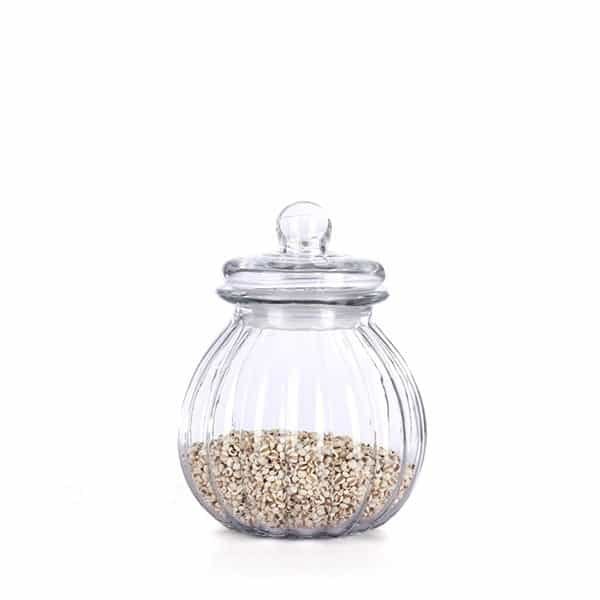
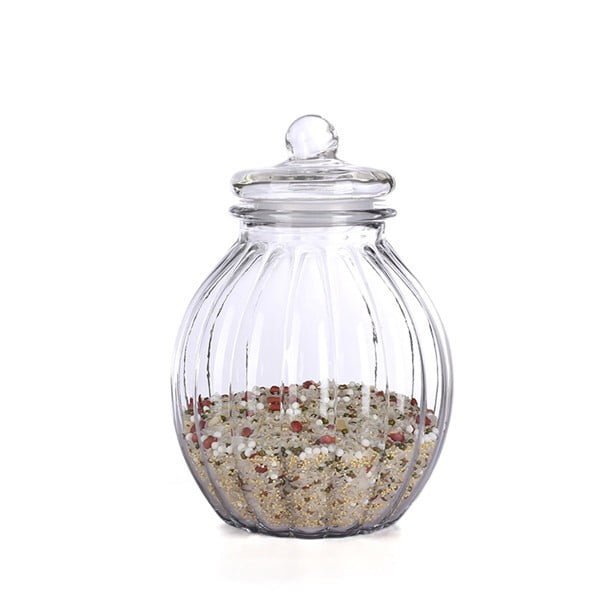
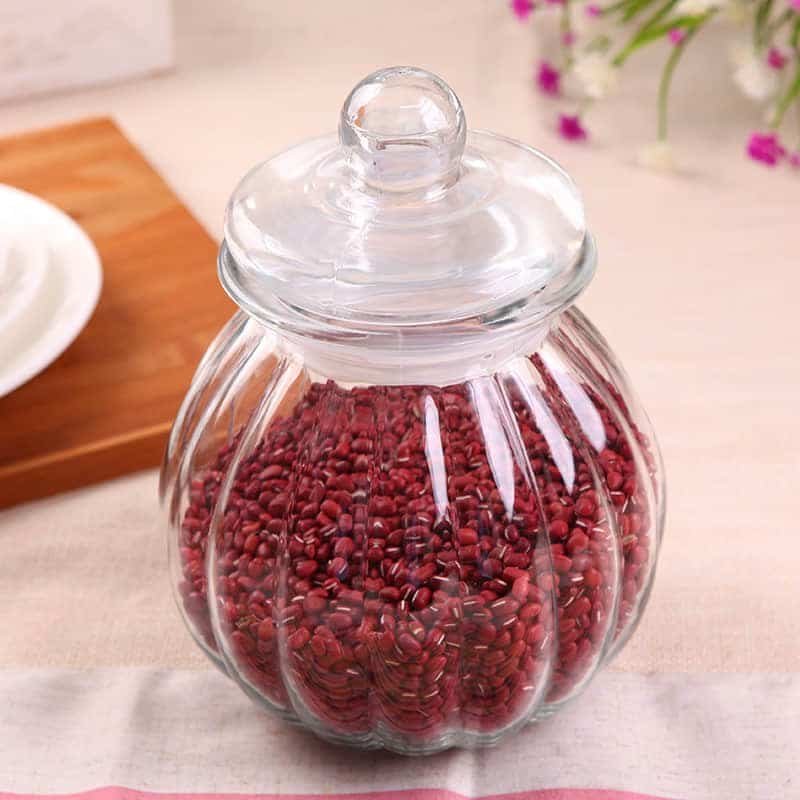
Ten clip-top jars on one clamp system, plus two ribbed pumpkin jars with a lift-off cover for your seasonal line. Overall diameter and height sit on every clip-top card. We quote wholesale per size, because in this range the freight is half of your decision.


No running-mould jar carries that size in that shape. Your quotation can still cover it: the clamp system is common across the ladder, so the nearest size takes the same lid and gasket.

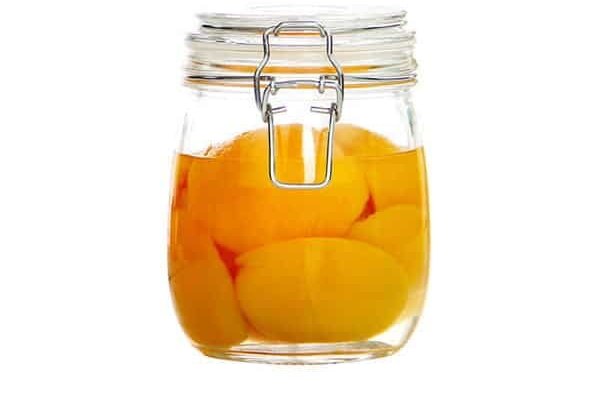
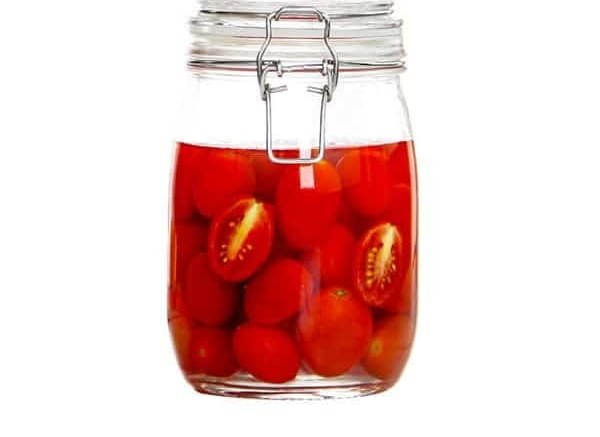
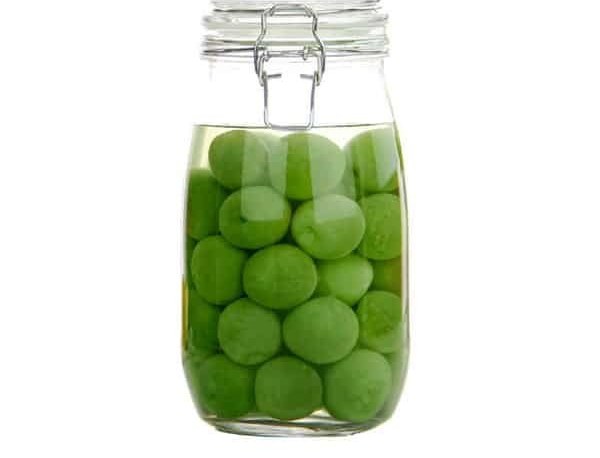
A clip-top jar is three parts, and two of them are not glass. The metal and the rubber decide your returns rate, so both reach you in writing before a deposit, with the freight arithmetic that decides which sizes earn a place on your list.
What is at stake
Rust at the pivot is the complaint you will hear most, months after the sale. Nickel-plated steel bails corrode where the wire turns, in exactly the humid kitchens you sell into. The glass is fine; your customer returns the jar anyway.
What we supply
Your quotation states the bail material and finish, per size, with samples you can test before you commit. Where a market or a retailer demands stainless, that is a specification you set at enquiry, and it changes the unit price in a way worth knowing before you list.

What has to match
A gasket that hardens after twenty dishwasher cycles turns your airtight jar into a jar with a loose lid. If it cannot be replaced, the whole jar becomes waste, which is a hard argument for you to make to a refill or zero-waste customer.
What we supply
Your quotation gives gasket material and hardness per size, and prices spares alongside the jars, so your customer service has something to send out. Every clip-top size shares the clamp system, so one gasket stock covers your whole ten-size listing.
What is at stake
A 3.8 litre jar is mostly air, and you pay freight on the air. Between 2 L and 5 L the container count falls fast enough that your landed cost per jar can double while the ex-works price barely moves. Ranges get planned on unit price and then repriced after the first container.
What we supply
Every clip-top card here publishes overall diameter and height, and your quotation carries the carton dimensions and the exact 20GP and 40HC counts per size. You can compare landed cost across the ladder before you choose which sizes to list.
Two closure systems run against these bodies, and the clip-top parts are shared across every size in the ladder, so your spares stock stays small.
Your quotation states the bail finish, the gasket material and the lid type per size, so nothing about the two non-glass parts is left to assumption.
Bulk terms from the factory. No tooling on a running mould, 15–20 days from confirmation, jars sampled with the clamp fitted, and a container count printed against every size you list.
Pallet or container
A running mould carries no tooling minimum, so your opening order can be one pallet across a few sizes, on identical terms for private-label pantry brands and own-brand retailers. Cutting steel of your own starts at 12,000 pieces in extra flint, 50,000 in standard flint. Large jars reach those numbers slowly, so you are unlikely to face a tooling question here.
15–20 days
From confirmation on running moulds, glass and clamp hardware together. A custom mould adds 30–45 days to your lead time, counted from drawing approval.
On request
Jars ship assembled, so you can run the clamp, the gasket and a dishwasher cycle before you commit. On the custom path, an acrylic model lands in about 10 days at $500, then a sample mould at 35 days puts 5–10 jars on your desk.
EXW · FOB
Warehousing and consolidation stay in-house, and we quote transit to your port. Large jars pack better alongside small ones, so a mixed container beats two single-size ones on your landed cost.
Per size, with the quote
This range spans a tenfold volume difference, so one container anchor would mislead you. Your quotation gives the carton dimensions and the 20GP and 40HC counts for each size you asked about.

Your pantry range sells on how a shelf of jars looks together, and that look is decoration on tooled glass. Our Shandong plant screen prints, frosts, sprays, hot stamps and labels in-house, so your decorated glass keeps the same 15–20 days as plain.
We quote decoration per design, beside the glass. Decoration and labelling in detail →

A jar, a drawing or a photograph starts the check. Ten running sizes on one clamp cover most pantry briefs, because a shared gasket is worth more to your customer than a silhouette nobody else has. When a jar of your own is the point, our mould shop prices it in three stages.
A full-size model of your jar, so shape, shoulder and lid seat are signed off before steel is cut.
Real glass from a sample mould: 5–10 jars with the clamp fitted, for your retailer and your packing line to approve.
Your production tooling runs on the flint lines in Shandong. Minimum 12,000 pieces in extra-flint, 50,000 in standard flint.

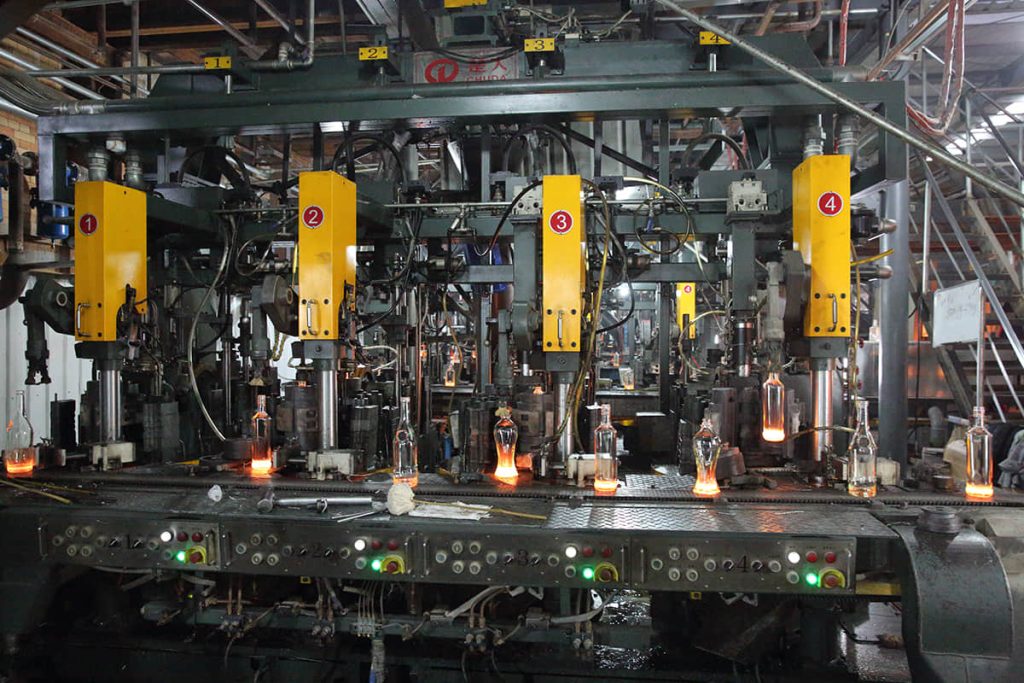
We form your jars in Shandong, decorate them on the same site and load them with our own warehouse team, so the glass, the clamp and the gasket come from one supplier. Housewares buyers in 40+ countries have shipped from these Shandong lines since 2013.
We gauge the rim the gasket presses against on every run. A seat that runs out of round gives a jar that clamps shut and still breathes, and that fault only shows up at your customer's house.
Controlled lehr curve on every jar, and we check residual strain under polarised light on every run of yours. Thick-walled jars over two litres hold more strain, so we watch your large end hardest.
Wall thickness and base flatness measured across the run. A 3.8 litre jar full of grain is heavy, and a thin base is how your pallet arrives with breakages in the bottom layer.
Your shipment carries an EC 1935/2004 declaration of compliance for the EU and UK, food-contact documentation to FDA requirements for the United States, and ISO 9001. SGS test reports and third-party pre-shipment inspection come on request.
What airtight honestly covers, what a spare costs, and where freight starts deciding your margin.
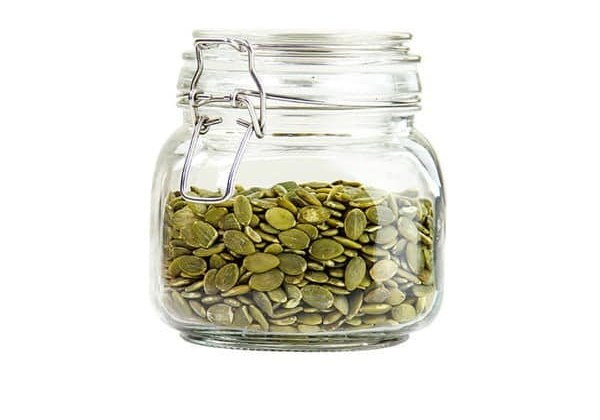
The clip-top sizes seal against a food-grade gasket and hold airtight for your dry goods, ferments and preserves. The ribbed pumpkin jars use a lift-off glass cover in a moulded seat, which keeps dust out of your display jar without sealing it. Both run on the same soda-lime glass.
There is no tooling minimum on the 12 running-mould jars, so your opening order can be a single pallet across a few sizes. Steel of your own starts at 12,000 pieces in extra flint or 50,000 in standard flint, which large jars reach slowly.
The clip-top ladder is a set by design. Ten sizes from 500 ml to 5 litres share one clamp, one lid style and one silhouette, so your shelf reads as a single range. Four or five steps is a usual listing, with the ribbed pumpkin jars added as your seasonal line.
A manufacturer. Your bodies are formed on our own lines in Shandong, one of MAIDAO INDUSTRY's two production sites. Clamps and gaskets come from hardware makers we buy from every week and reach you assembled, on our invoice and under our inspection.
Your gallon jar is the 3.8 litre round, 16 cm across and 28 cm tall over the clamp. The next steps down are 3 L at 14.5 by 26.5 cm and 2 L at 12 by 23.5 cm, so your shelf clearance decides the size as often as the volume does.
Yes, and it should be. The gasket seats in the glass lid, so your customer replaces it in seconds without tools. We price spare gaskets and clamp assemblies with your jars, because a refill or zero-waste customer will ask you for them inside the first year.
You specify the bail finish per order, and your quotation states it, because that part decides whether a jar comes back. Plated steel costs you less and suits a dry-goods listing; stainless holds up in humid kitchens and dishwashers. Samples go out so you can judge the hardware yourself.
Per pallet, yes, and you see it over two litres, where freight starts to dominate your landed cost. Square bodies at 11.5 cm across use the carton footprint a round jar wastes. Round bodies read as traditional preserving jars, which may be exactly what your shelf wants.
Yes. Your jars are clear soda-lime glass, shipped with food-contact documentation to FDA requirements for the United States and an EC 1935/2004 declaration of compliance for the EU and UK, and SGS test reports come on request.
The glass and the lid handle domestic dishwasher cycles. The gasket is the part that ages under repeated heat, which is the reason spares are quoted with the jars and the reason gasket material belongs on your specification, in front of you.
A size list, your shelf clearance or a rival's jar is enough to start. Our housewares desk answers you with pricing, dimensions and per-size container counts inside 24 hours.
Matching running-mould jars, pricing and per-size container counts come back within 24 hours.
The running moulds that fit get found before anyone talks about tooling.