
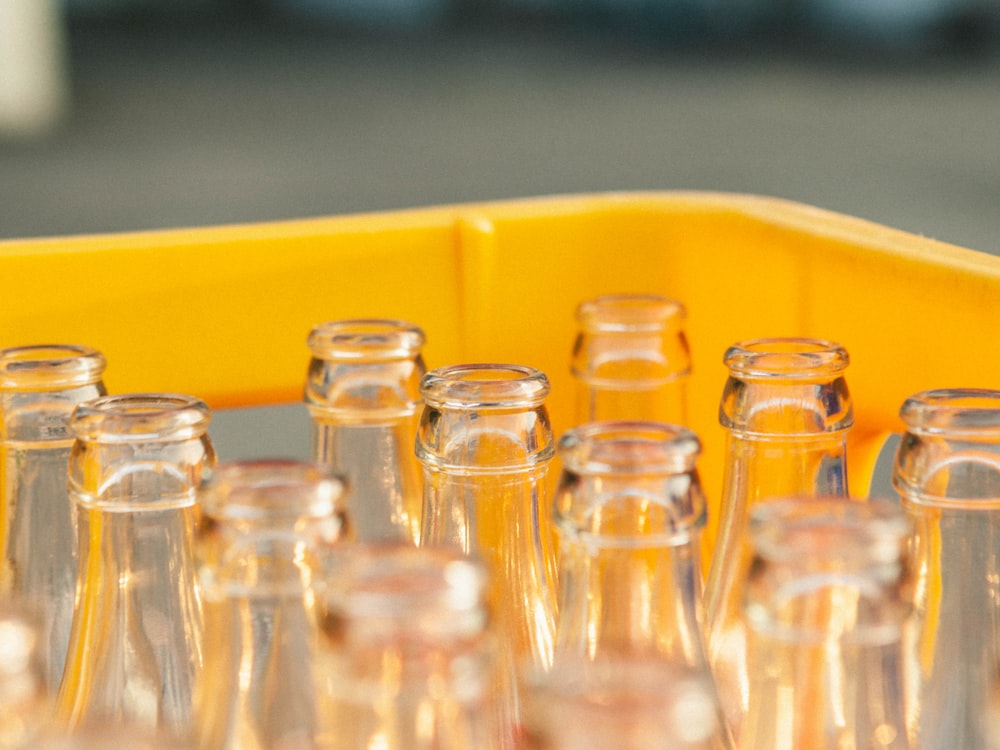
Freight comes per container, so the count of bottles inside it divides your landed cost per bottle. SGSBOTTLE plans against three reference counts from its sites in Shandong and Xuzhou. A 40-foot high cube takes about 25,000 bottles of 750 ml (25 oz) in standard shapes, 22,000 in irregular ones, or 60,000 bottles of 12 oz (355 ml). The maths behind them, and the choices that move them, decide whether your first quotation and your first invoice agree.
Those three counts describe cartoned, palletised loads of the shapes our lines run most. Your own bottle has its own diameter and its own height, and the calculator runs both through the loading table the warehouse plans from. It answers with the volumetric ceiling — what the box holds before cartons, dividers and wrap take their share — so a cartoned load lands under that number, not on it. Your quotation carries the plan for the cartons you actually order.
Work out your own count with the container loading calculator
What a 40HC Container Actually Holds
A 40-foot high cube measures about 12.0 m long, 2.35 m wide and 2.69 m high inside, some 76 cubic metres, with a payload of roughly 28 tonnes. Glass fills the volume long before it reaches the weight: 25,000 bottles of 750 ml at 500 g each put 12.5 tonnes of glass in the box and leave half of your payload unused. Your count is therefore a volume problem. Three things set the volume: the footprint of the bottle, its height, and how much of the box the pack format spends on pallets, cartons and air.
Three Reference Counts for a 40HC
The counts SGSBOTTLE quotes from are working figures for carton packing and a single-SKU load, drawn from what its 14 lines in Shandong and Xuzhou ship week after week.
| Bottle | Approximate count per 40HC |
|---|---|
| 750 ml (25 oz), standard round or square shape. | ≈ 25,000 |
| 750 ml (25 oz), irregular shape such as a flask or a decanter. | ≈ 22,000 |
| 12 oz (355 ml) beer or soda bottle. | ≈ 60,000 |
Your quotation replaces them with a plan for your exact bottle, carton and SKU mix before you book freight, so the count you pay freight on is the count that arrives at your door.
Why Shape and Weight Move Your Count
Footprint first. A round 750 ml bottle wastes the corners of every cell in your carton. A square bottle of the same capacity nests, so more of them fit per layer, and a flask or a decanter with a wide shoulder wastes the most. Height next: a tall, slender 750 ml (25 oz) bottle can force a two-layer load into a carton that a shorter one takes three-high, and your count drops by a third. Then weight. A heavy premium spirits bottle at 700 g brings 25,000 pieces to 17.5 tonnes, still inside the payload. A heavy 1 L (34 oz) jar in a large count can hit the weight limit before the walls, and then the count drops to what the tonnes allow. Every one of these is visible on the drawing, so the loading plan comes from the drawing and the carton spec, never from the reference count alone.
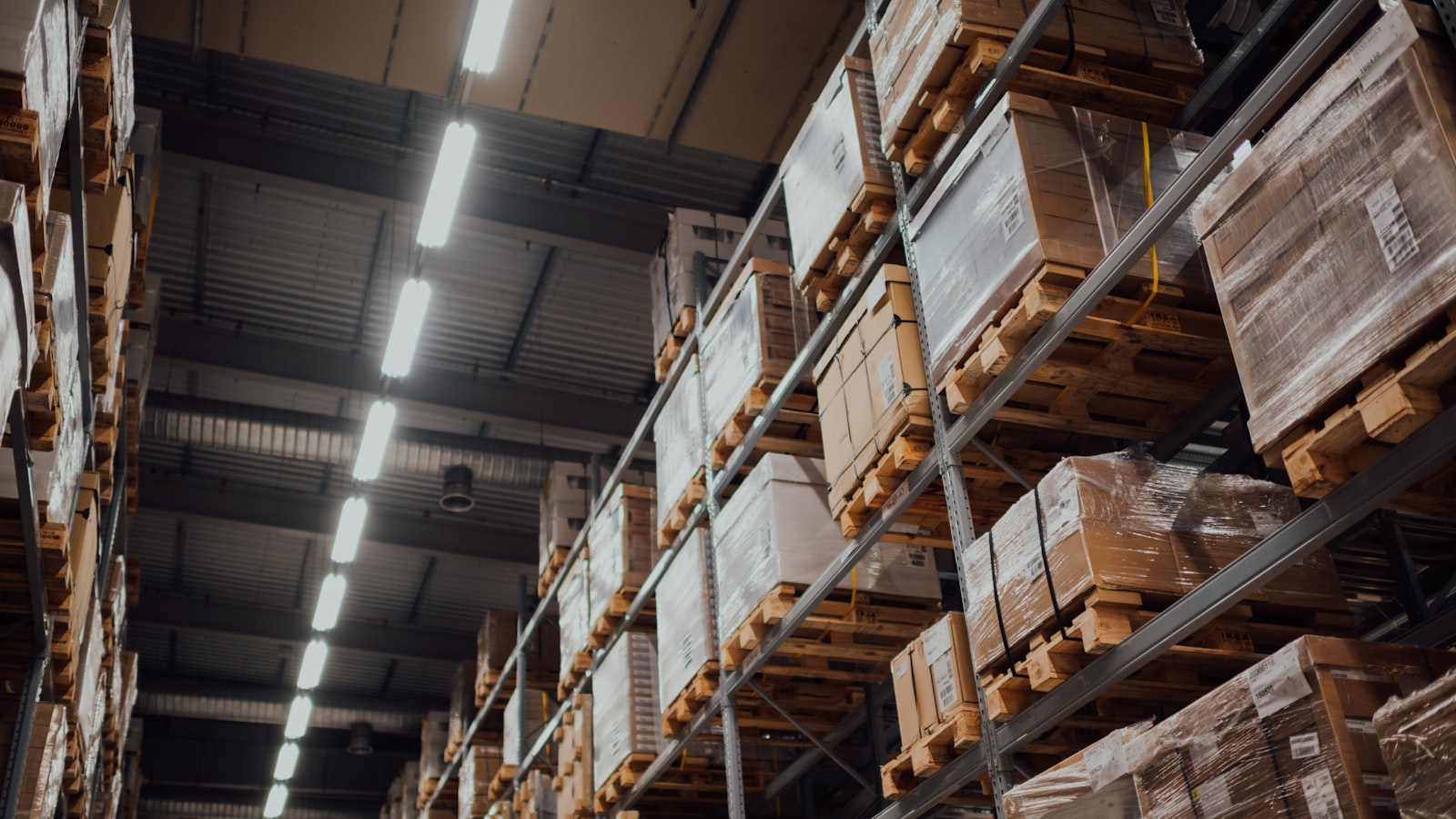 Palletised loading costs you count and buys back unloading time at your end of the voyage.
Bulk Loading vs Palletised Loading
| Bulk loading | Palletised loading | |
|---|---|---|
| How the glass travels | Layers on the container floor with layer pads and dividers, no pallets, no cartons. | Shrink-wrapped layers on pallets, or cartons on pallets. |
| Bottles per container | More: the pads take less room than pallets and carton walls. | Fewer: every pallet and carton wall is space the glass does not use. |
| Unloading at your end | By hand, hours per container at your dock. | Forklift, pallet by pallet, in minutes. |
| Who chooses it | Long lanes on a tight freight budget, and docks with low labour cost and no forklift. | Most fillers, distributors and co-packers. |
| Protection in transit | Glass meets glass at the edges, so the cold-end coating and the dividers do the work. | Layer film or carton walls; cartons double as transit packs to your customers. |
The 7 lines in Shandong palletise automatically at the end of the line, and the format on your order decides which plan the loading team draws. The bulk count is higher and the pallet count is friendlier to your forklift, and you see the price difference between them on the quotation.
 Bulk loading puts more glass in the box, and your unloading cost decides whether that saving reaches you.
Mixed Loads: Several SKUs in One Container
A first order rarely fills a container with one shape. Food jars, sauce bottles and candle glass load together, and Xuzhou's 7 lines run up to 8 products at once, so a mixed pallet plan does not wait behind a container of one design. A mixed load costs you some count, because each SKU's cartons stack to their own height and the odd layers are air. It saves you a second container and a second set of documents. The plan lists every SKU with its carton count, cartons per pallet and pallets per container, and that list becomes your packing list.
From Container Count to Landed Cost per Bottle
Landed cost per bottle is the total of the glass price, decoration, cartons or pallets, inland haul to the port, sea freight, insurance, duty, port charges and delivery to your door. The count in the container divides that total. The glass price moves with grade, weight and decoration; freight moves with the box while the count stays the divisor. A 10 percent better count is a 10 percent lower freight share on every bottle. On a container-scale order that is the gap between two quotations that looked identical per piece at EXW. SGSBOTTLE quotes EXW from the factory gate in Shandong or Jiangsu or FOB from the Chinese port. The freight, insurance and import side are yours either way, and the count is the lever you control.
What Your Loading Plan Is Built From
Four things: the bottle drawing or the stock design code, the carton or tray specification if you have one, the pack format you can unload, and the SKU mix with quantities. With those, the loading team returns your cartons per pallet, pallets per container and bottles per container, plus the gross weight, before you book the vessel. On a custom bottle the plan comes with the production mould stage, so you know the count before the first bottle exists.