Food glass · Oil and vinegar bottles
Running moulds. One neck across the range. Green glass where shelf light is the risk.
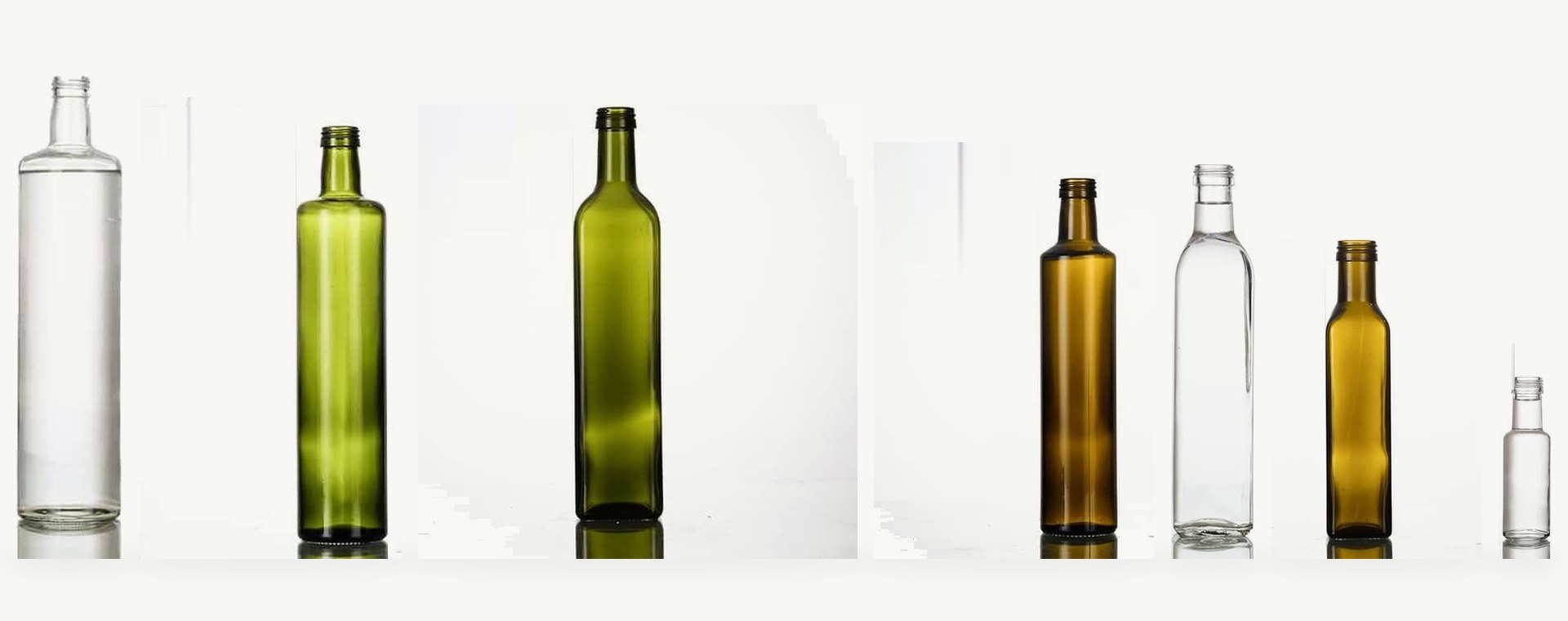
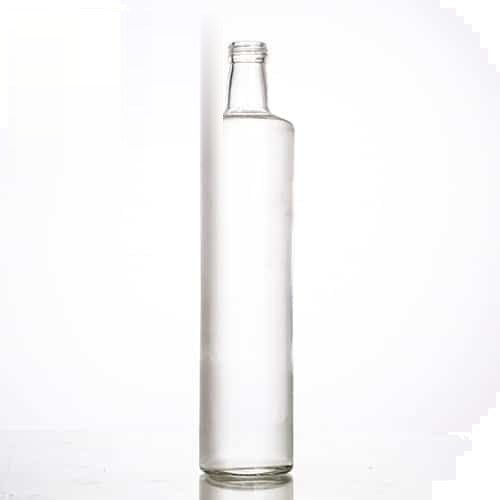
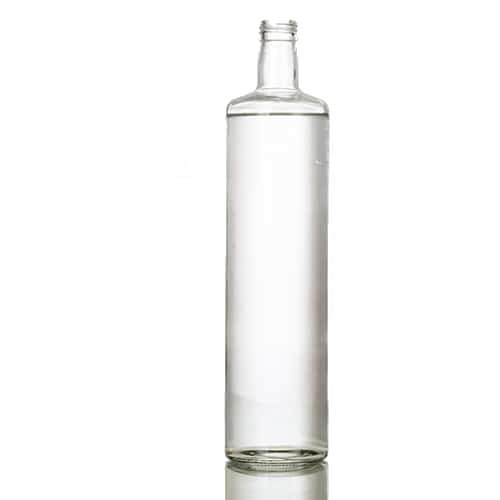
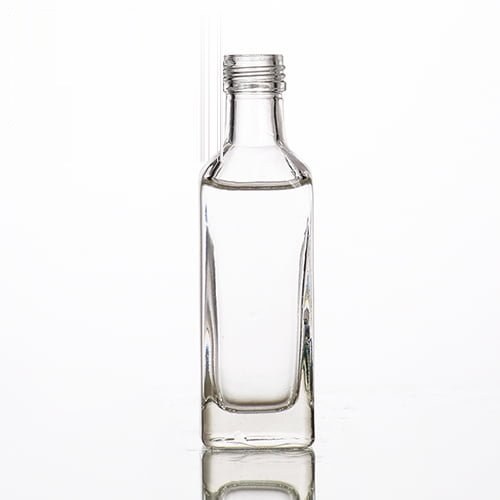
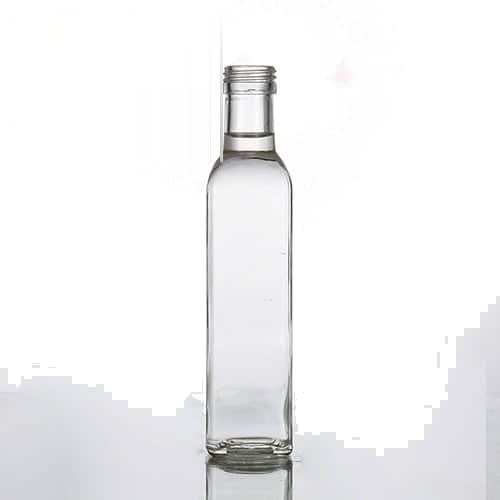
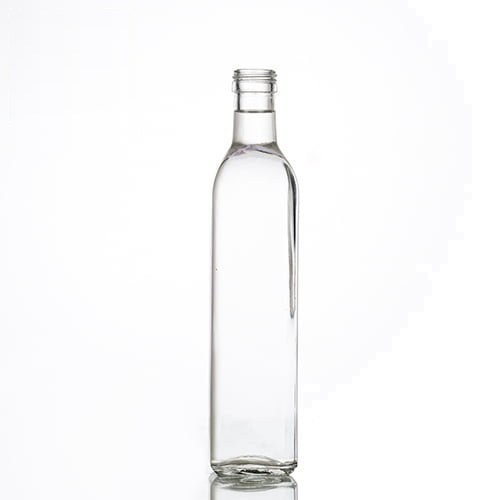
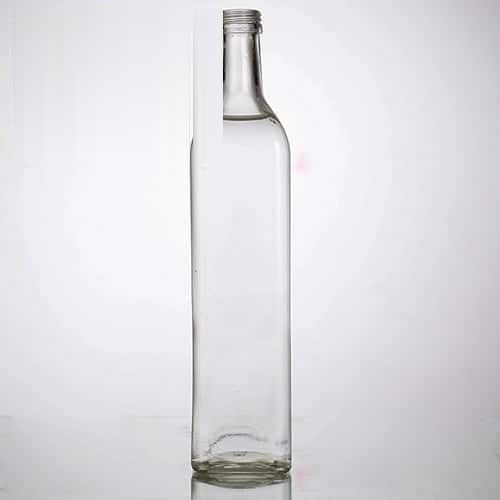
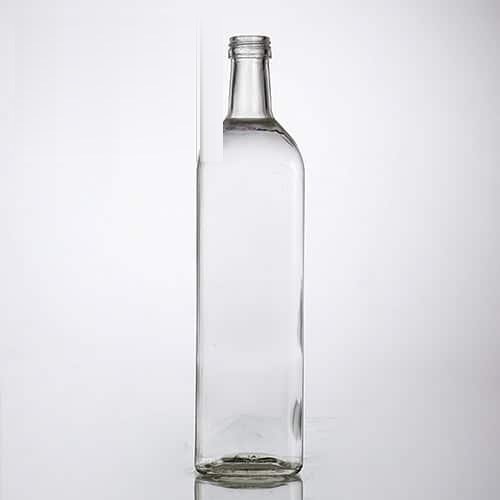
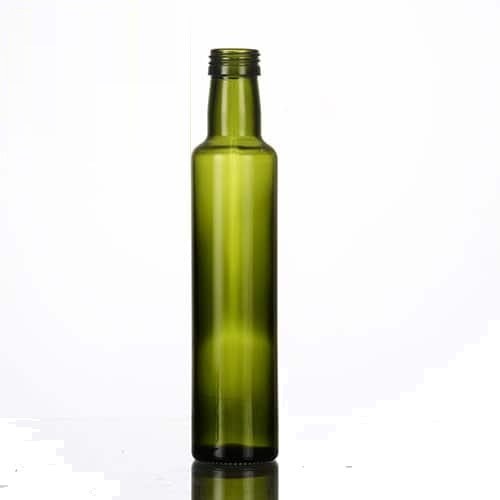
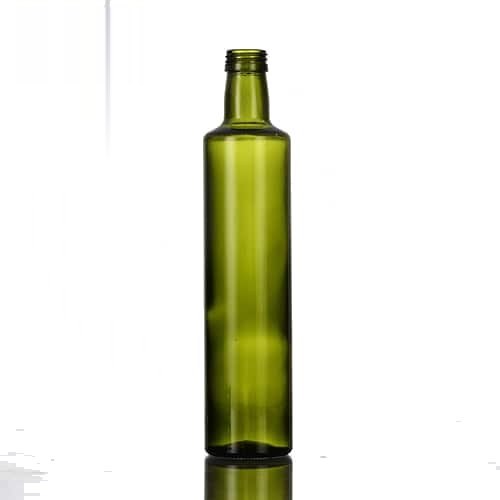
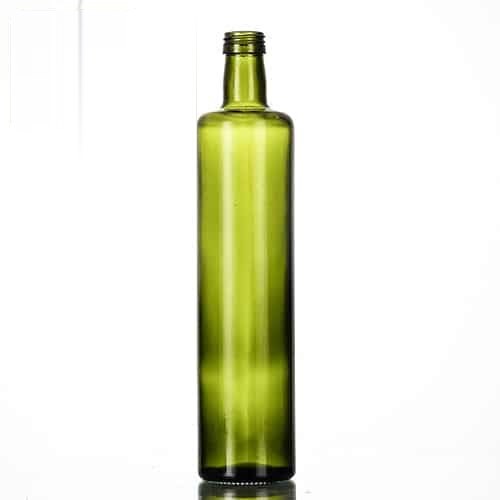
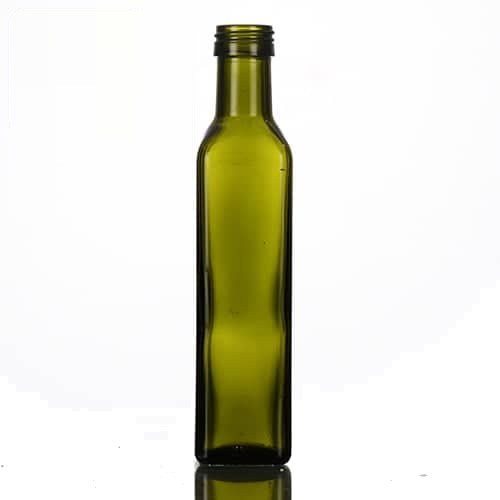
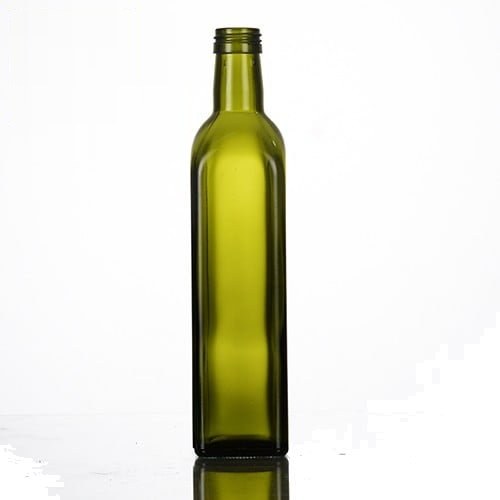
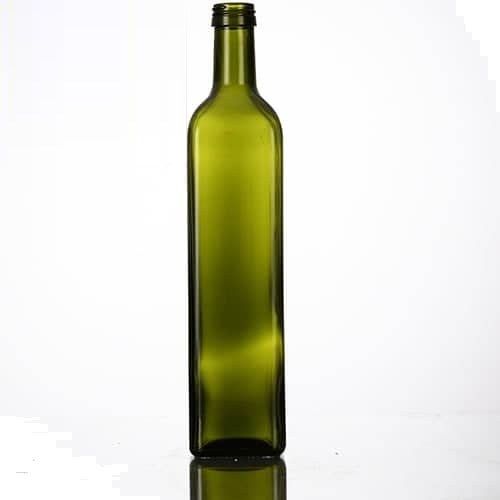
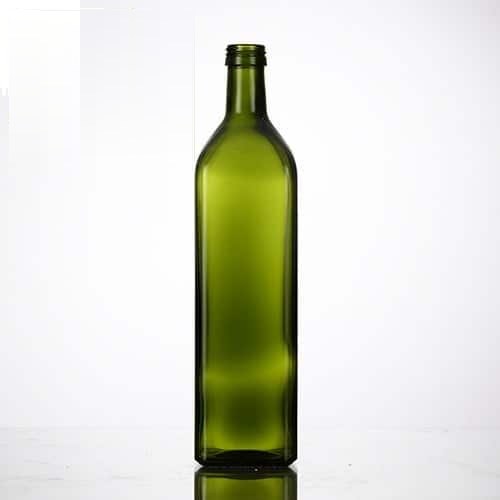
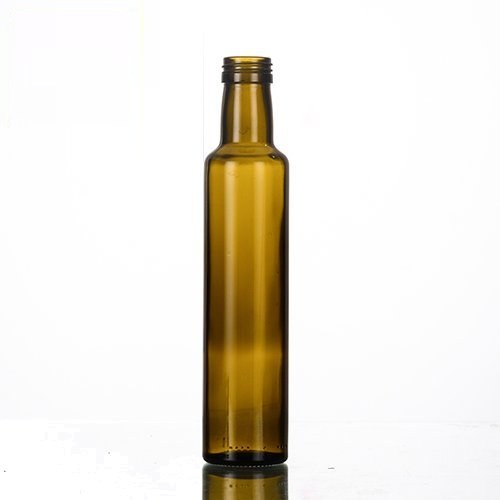
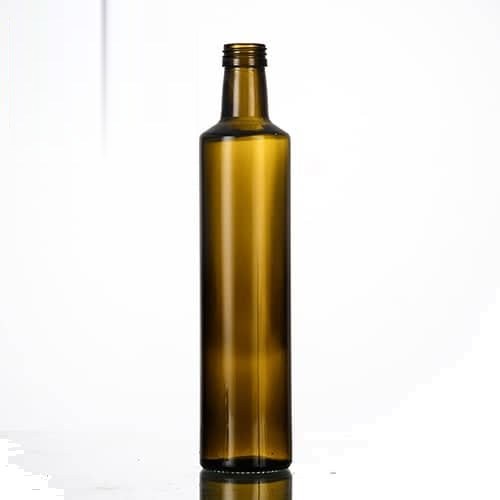
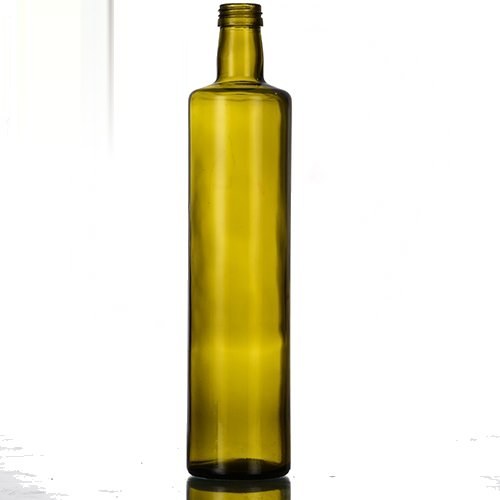
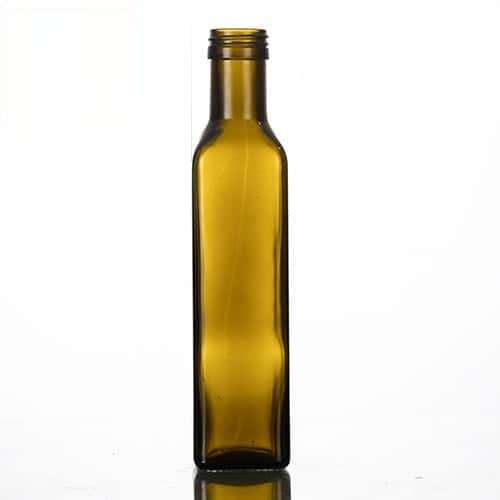
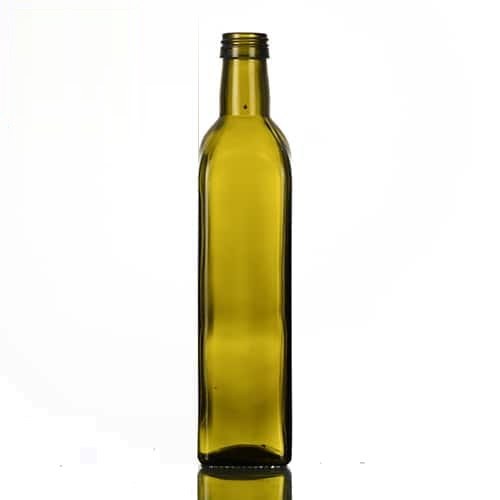
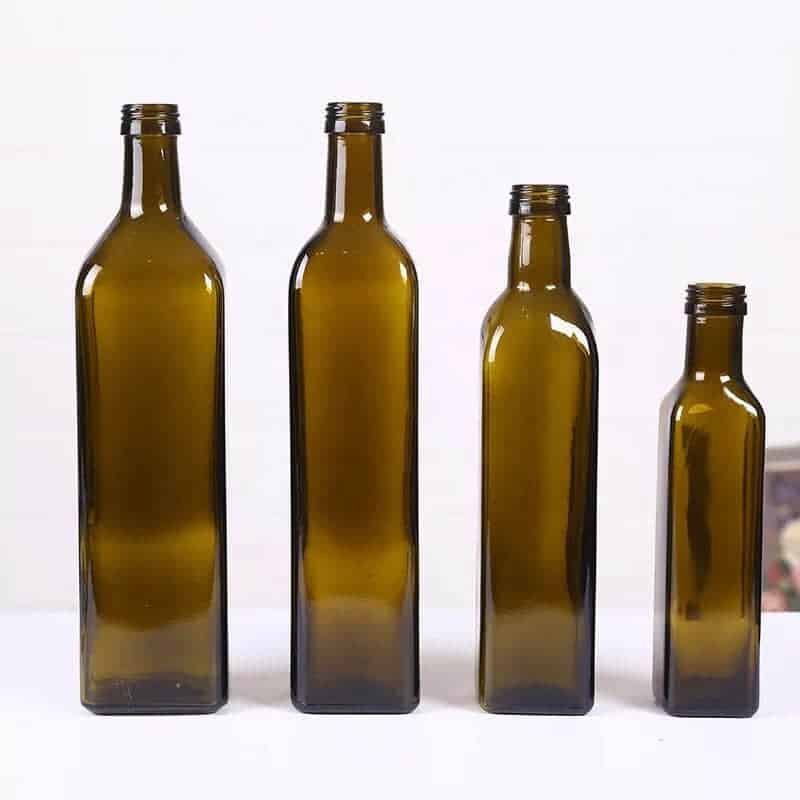
If you press oil, bottle it or import it, you buy the two shapes European shelves already run, and both come off our own furnaces in Shandong. Your Marasca square and Dorica round cover 100 ml to 1 litre (3.4 to 34 fl oz), in clear, dark green and antique green soda-lime. Every size but the 100 ml Marasca opens at 3.0 cm, so one cap and one pourer cover your whole ladder.
Two shapes, three glass colours, one neck across almost the whole ladder. Green glass is the answer where your bottle sits under shelf light for months. We quote wholesale per size and per colour, on one sheet.


No running-mould bottle carries that size in that colour. Your quotation can still cover it: the colour moves with the melt, and the nearest size on the same body sits within a label revision.

Your oil is light-sensitive and sells in a shape the trade fixed long ago. Three things reach you in writing before a deposit.
What is at stake
Olive oil degrades in light. On a lit retail shelf, clear glass gives your oil no cover at all. Your customer then tastes a flat, tired oil months ahead of the date on your label. Dark green and antique green hold most of that light out.
What we supply
The same Marasca and Dorica bodies run in all three colours, so your colour decision costs the glass and nothing else. Your quotation prices all three across the sizes you asked for. Samples of the colours travel together, so you run one shelf test under your own store lighting.
What has to match
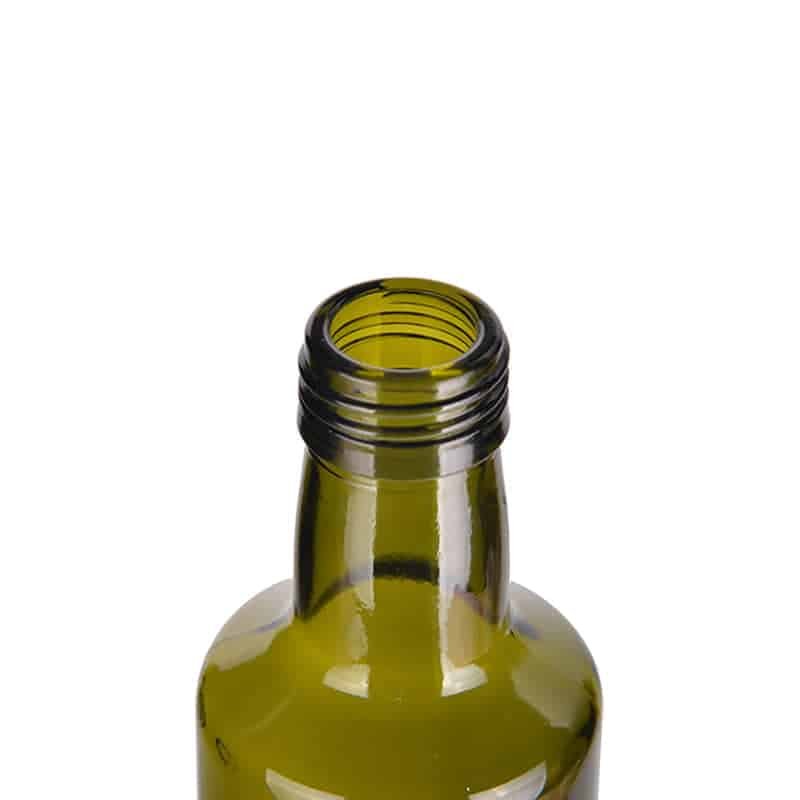
An olive oil bottle carries two closures at once. The screw cap seals your bottle for transit; the pourer insert presses into the neck and stays there for the life of the pack. A neck that takes your aluminium cap but refuses your pourer stops the line just as hard as one that fits neither, and a range built from three suppliers usually carries three necks.
What we supply
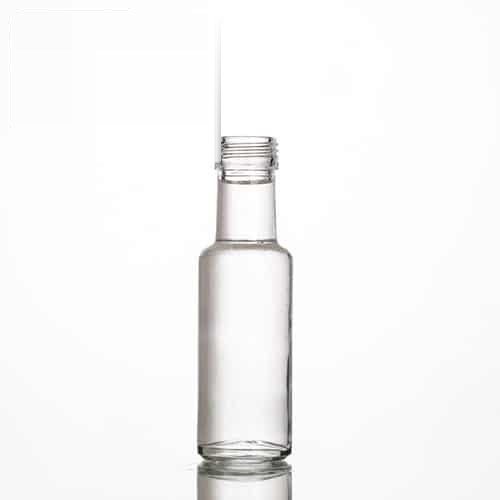
Twenty-one of the 22 bottles open at 3.0 cm; the 100 ml Marasca is your single exception at 2.2 cm. One cap and one pourer therefore cover your 250 ml, 500 ml and 1 litre shelf. Every quotation still carries the finish drawing, so your cap supplier and your pourer supplier sign off on the same thread we make to.
What is at stake
Your 500 ml bottle holds more than 500 ml to the brim, and the gap moves again once a pourer occupies part of the neck. Order on brimful capacity and you fill short of the figure on your own label.
What we supply
Brimful capacity is verified by water-fill weight on every run. Your quotation prints it beside the nominal size, in millilitres and in fluid ounces. A 500 ml bottle sells as 16.9 fl oz in the United States, and you get both figures on the drawing.
One neck across the ladder means one closure stock, and your quotation prices the cap and the pourer beside the glass.
Your quotation states the cap, the insert and the finish they seal against, so your closure supplier or ours signs off before any stock or tooling is committed.
Bulk terms from the factory. No tooling on a running mould, 15–20 days from confirmation, bottles sampled with the pourer fitted, and a pallet count printed beside your price.
Pallet or container
Running moulds carry no tooling minimum. Your first order can be a single pallet and your repeat a full container, on identical terms for private-label bottlers and own-brand producers. A shape of your own starts at 12,000 pieces in extra flint, 50,000 in standard flint.
15–20 days
From confirmation of your order on running moulds. A custom mould adds 30–45 days to your lead time, counted from drawing approval. Glass reaches you before either clock starts.
On request
Physical samples reach you for approval before any running-mould order ships, and colour samples travel as a set so your shelf test happens once. On the custom path, an acrylic model lands in about 10 days at $500, then a sample mould at 35 days puts 5–10 decorated bottles on your desk.
EXW · FOB
Warehousing and consolidation stay in-house, and we quote transit to your port. Your oil bottles travel in the same container as jars or sauce bottles, which is how most opening orders are built.
≈25,000–60,000 per 40HC
By size and export pack: roughly 25,000 of your 750 ml bottles, up to about 60,000 at the small end. Your exact 20GP and 40HC counts arrive with your quotation.

An olive oil shelf is a row of the same two shapes, so your label and your finish carry the whole difference. Our Shandong plant frosts, sprays, screen prints, hot stamps and labels in-house, so your decorated glass keeps the same 15–20 days as plain.
We quote decoration per design, beside the glass. Decoration and labelling in detail →

A bottle, a pourer or a drawing starts the check. Marasca and Dorica became standards because your buyer and your filler both recognise them, so you are likely to stay on running moulds. When a bottle of your own earns the steel, our mould shop prices it in three stages.
A full-size model of your bottle, so shape, shoulder and label panel are signed off before steel is cut.
Real glass from a sample mould: 5–10 decorated bottles in your hand for the filling line and the retailer to approve.
Your production tooling runs on the flint lines in Shandong. Minimum 12,000 pieces in extra-flint, 50,000 in standard flint.

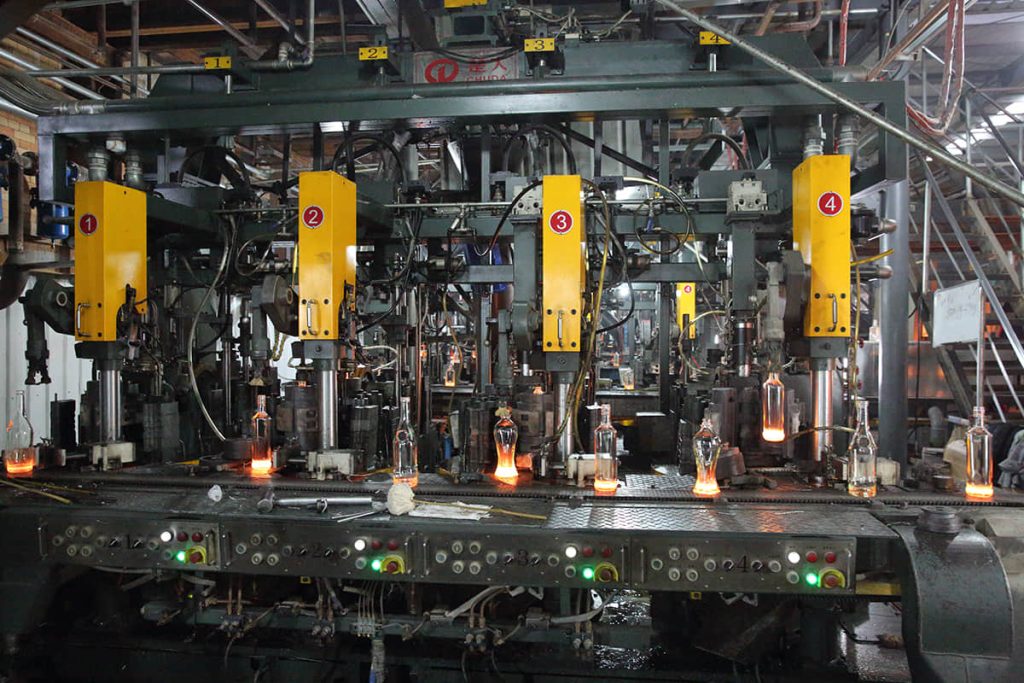
We form your bottles in Shandong, decorate them on the same site and load them with our own warehouse team, so the glass, the cap and the carton come from one supplier. Oil bottlers in 40+ countries have shipped from these Shandong lines since 2013.
We gauge the 3.0 cm opening your pourer presses into at the machine on every run, before your pallet is built. A pourer that drops out on your filling line costs a shift; an opening held to drawing costs a gauge.
Every bottle is annealed on a controlled lehr curve. We verify brimful capacity by water-fill weight on every run, and trace any drift on your pallet back through the mould number in the base to the cavity that caused it.
Dark green and antique green come out of a coloured melt, so we hold shade across your run and check it against a retained reference bottle before packing. Repeat orders are matched to that reference.
Your shipment carries an EC 1935/2004 declaration of compliance for the EU and UK, food-contact documentation to FDA requirements for the United States, and ISO 9001. SGS test reports and third-party pre-shipment inspection come on request.
Neck, colour and cap, so the pourer you already stock gets checked against the bottle first.
Usually. A photo with a ruler in frame, or the finish drawing from your closure supplier, identifies the running-mould bottle that takes both. Where nothing matches your neck, you hear it at the enquiry stage, with the custom-mould path and its costs.
There is no tooling minimum on the 22 running-mould bottles, so your opening order can be a single pallet. Cutting a new mould starts at 12,000 pieces in extra-flint or 50,000 in standard flint, the same figures any Chinese glassworks will quote you.
Every size except the 100 ml Marasca opens at 3.0 cm across the bore, the family your standard olive oil pourer and cap belong to. The finish drawing comes with your quotation, so your closure supplier can lay it over their own 31.5 mm spec. Where you already stock pourers, post one to us and we confirm the fit before you order.
A manufacturer. Your bottles are formed on our own lines in Shandong, one of MAIDAO INDUSTRY's two production sites, and the green comes from a coloured melt instead of a coating. European packaging importers buy from plants like ours and hold pallets in-market, which suits your first thousand bottles.
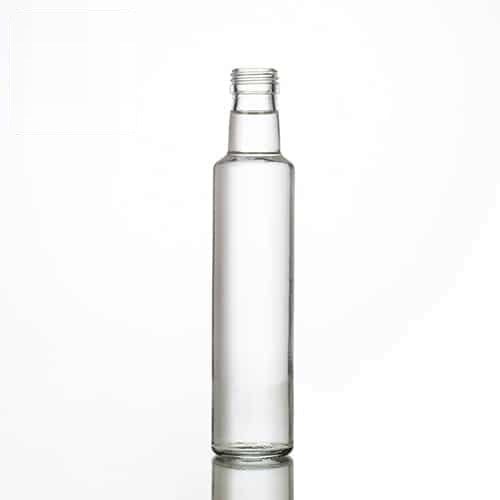
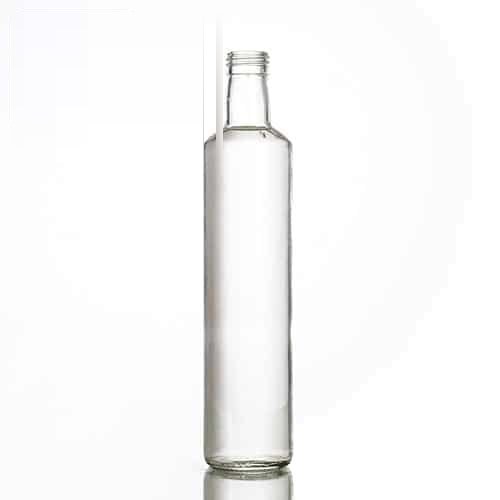
8.5 fl oz is 250 ml, 16.9 fl oz is 500 ml and 25.4 fl oz is 750 ml. All three run in both Marasca and Dorica for you, alongside 100 ml (3.4 fl oz) tasters and 1 litre (33.8 fl oz) catering bottles.
For shelf life, yes. Light drives the oxidation that turns your oil flat, and dark green or antique green blocks most of it. European estate bottlers work in green for that reason. Clear glass sells the colour of your oil and suits gift packs, short supply chains and outer cartons that stay closed until use.
Marasca is the square-shouldered bottle: flat panels for labels and dense pallet loading. Dorica is the round tapered bottle most people picture on a table. Both carry the same neck finishes, so your choice comes down to shelf presence and pallet efficiency, with no production penalty either way.
Yes. Your bottles are soda-lime glass, shipped with food-contact documentation to FDA requirements for the United States and an EC 1935/2004 declaration of compliance for the EU and UK, and SGS test reports come on request.
Yes. Aluminium and plastic screw caps, tamper-evident and non-refillable fitments, and pourer or non-drip inserts are all quoted alongside your glass, matched to the finish drawing of each design.
Almost all of them. The neck opening is 3.0 cm on every size in both Marasca and Dorica, apart from the 100 ml Marasca at 2.2 cm. A three-size range of yours therefore runs on one capping head and one lid stock. The finish drawing on your quotation confirms the thread before you order.
26.5 cm in Marasca, 27.5 to 28 cm in Dorica, at 5.8 to 6.0 cm across the body, so you can size a carton now. You get height and body diameter on every card, because both decide your carton size, your shelf clearance and how many bottles fit your container.

A size, a colour or the pourer you already buy is enough to start. Our food glass desk answers you with pricing, neck drawings and loading data inside 24 hours.
Matching running-mould bottles, pricing and loading data come back within 24 hours.
The running moulds that fit get found before anyone talks about tooling.