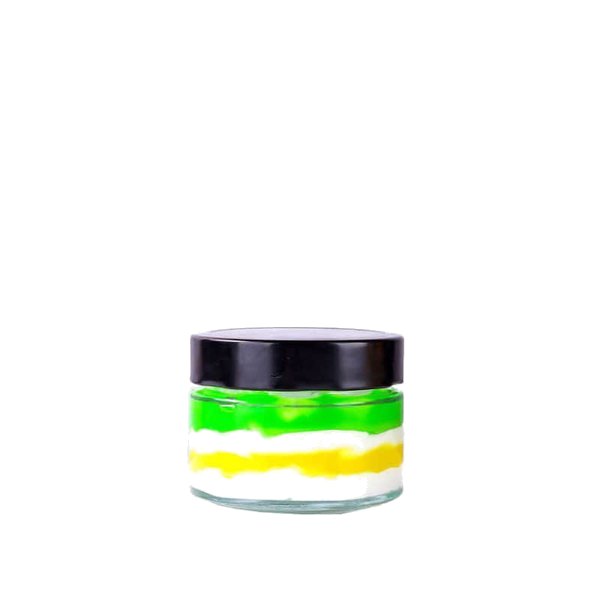
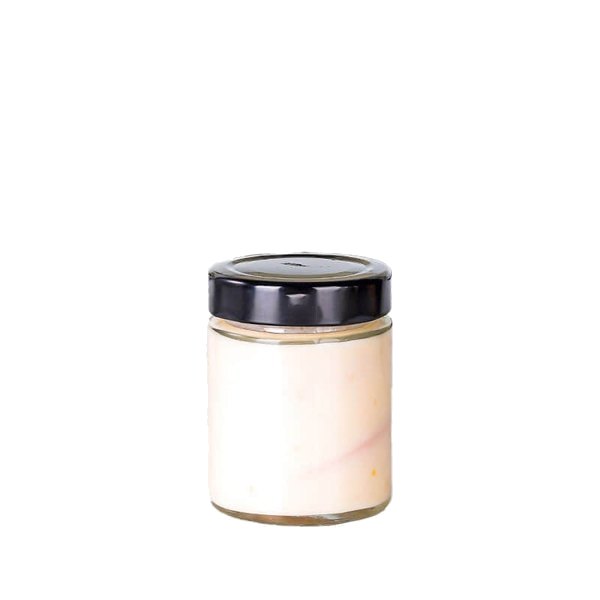
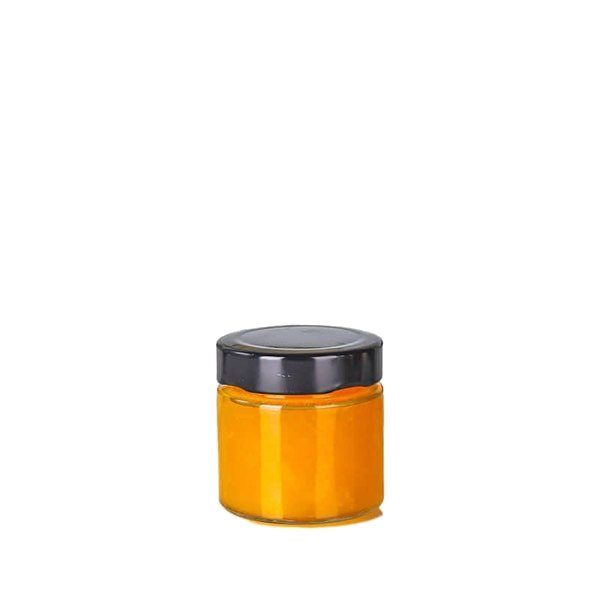
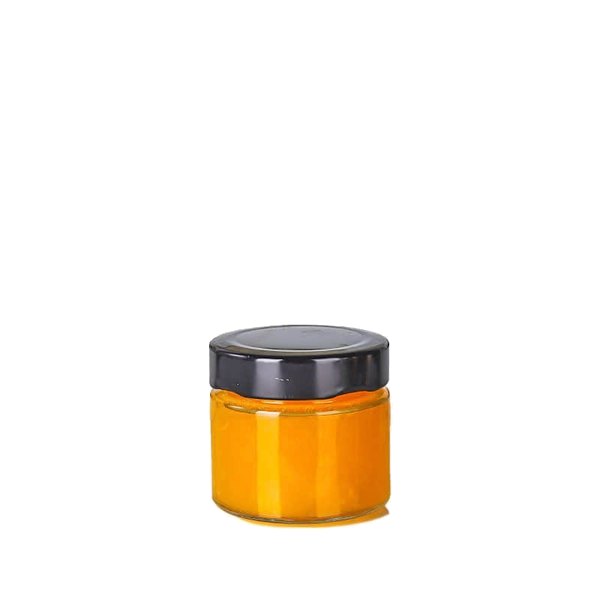
Food glass · Preserve jars
Existing moulds. Standard finishes. Cap-matched before quotation.
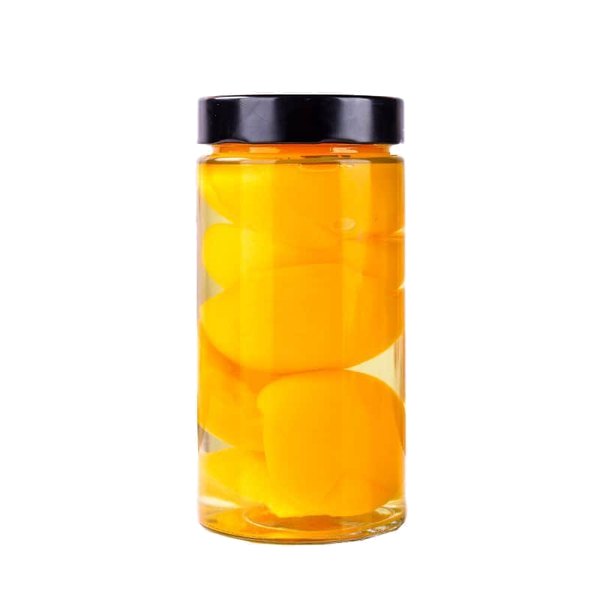
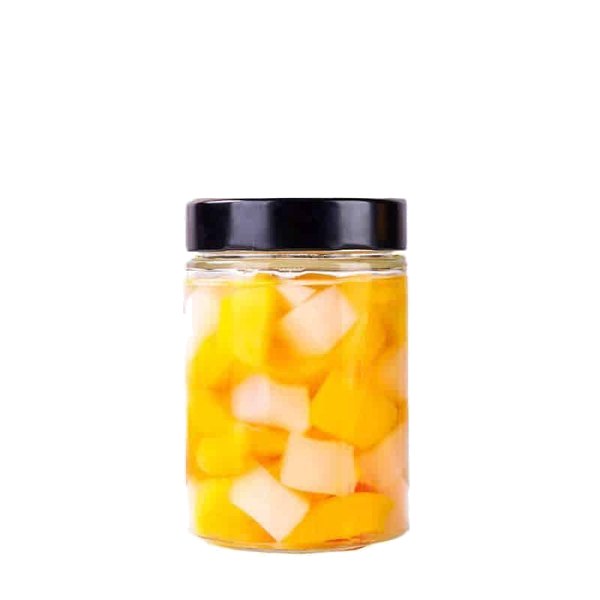
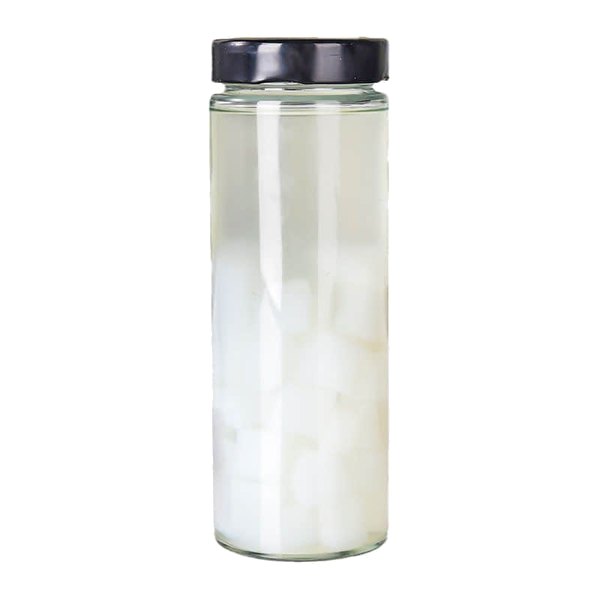
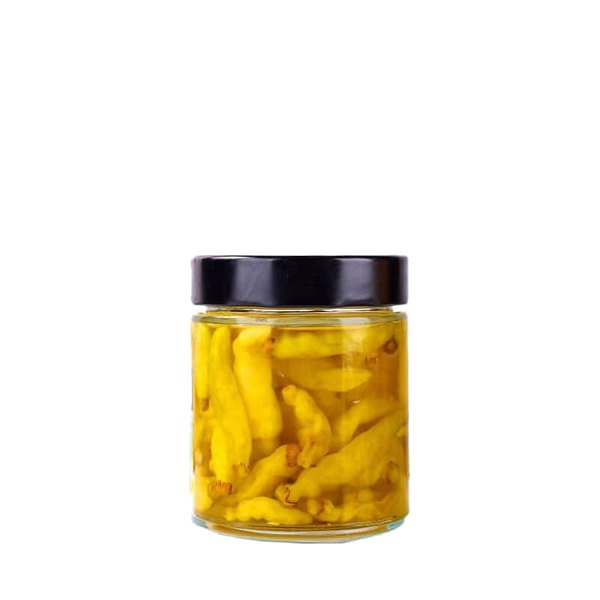
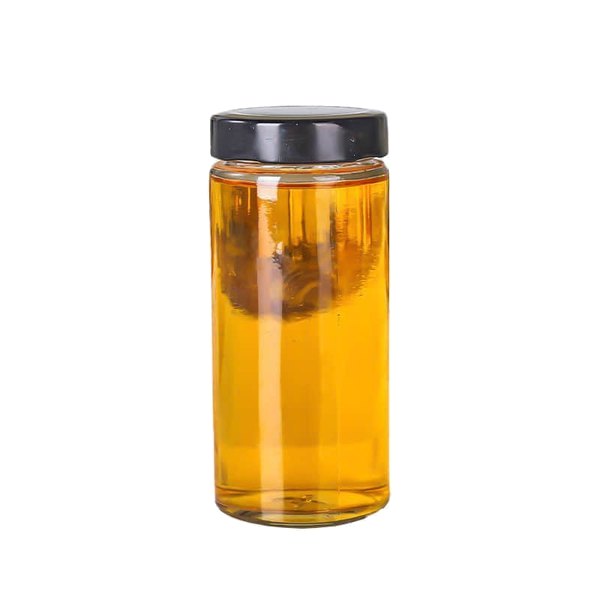
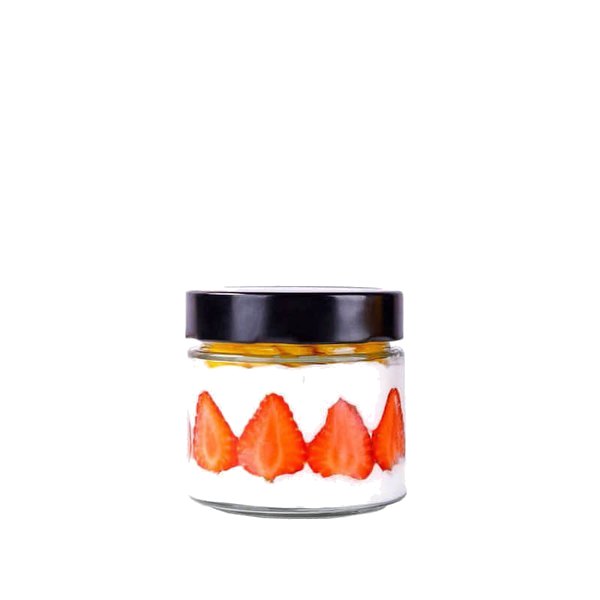
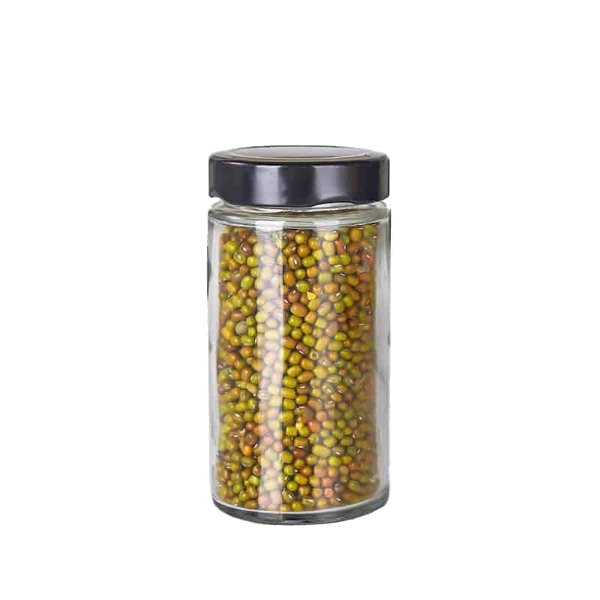
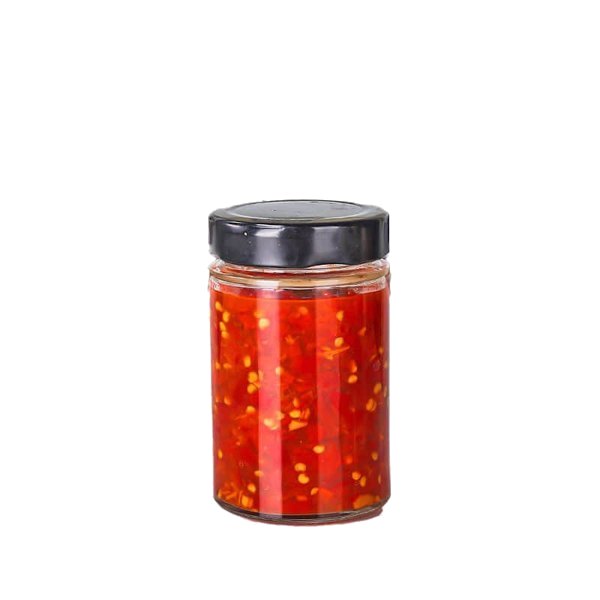
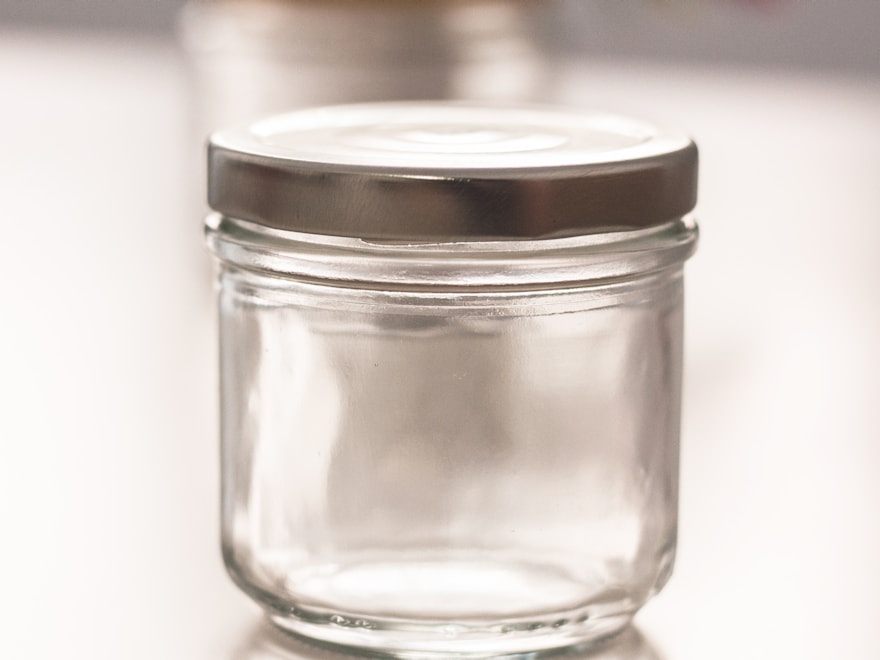
Preserve makers, farm shops and co-packers come here to stop paying for tooling. Jam jars from 45 ml to 770 ml (1.5 to 26 oz) run on moulds already turning at our Shandong plants, and the cap you buy today decides which of them fit you. Your finish drawing arrives before anyone mentions a mould.
Every design here is tooled and turning on our flint lines in Shandong, so your order buys glass and no steel. Shortlist a capacity and a closure, and the dimensions, the finish drawing and the container count come back with your wholesale price.


Nothing in the existing-mould range matches that combination. A message with what you are filling gets you the nearest jar that runs on your line, or a custom mould with its numbers.

Three things decide whether a jar runs on your line: the neck finish and the cap it takes, the fill point your filler is set to, and the temperature you fill and pasteurise at. All three go to you in writing first.
What has to match
Your capper is already bought and set. Lug count, thread pitch, neck diameter and sealing-surface height all have to match that cap, at the torque your machine applies. A jar that takes a cap by hand and then loses vacuum on your line is the most expensive way to find out.
What we supply
Every quotation carries the finish drawing, so your closure supplier confirms the match on paper before you commit a container to it. The cap you buy today is what we measure against, existing moulds first, and your quotation says which of your sizes share a finish. Lids are quoted with the jars in four systems when you are not bringing your own.

What has to match
Nominal capacity is brimful; your filler works to a fill point under the rim, and two suppliers' “380 ml” jars can differ there by several millilitres. On a shelf that reads as short measure.
What we supply
We verify brimful capacity by water-fill weight on every run, quote against your fill point when you give us one, and mould-number every jar in the base so a drift traces to its cavity.
What has to match
You hot-fill jam, and often pasteurise it in the jar. What breaks a jar under heat is residual stress left in the wall, and it shows up at your filler or in the tunnel, taking a shift with it.
What we supply
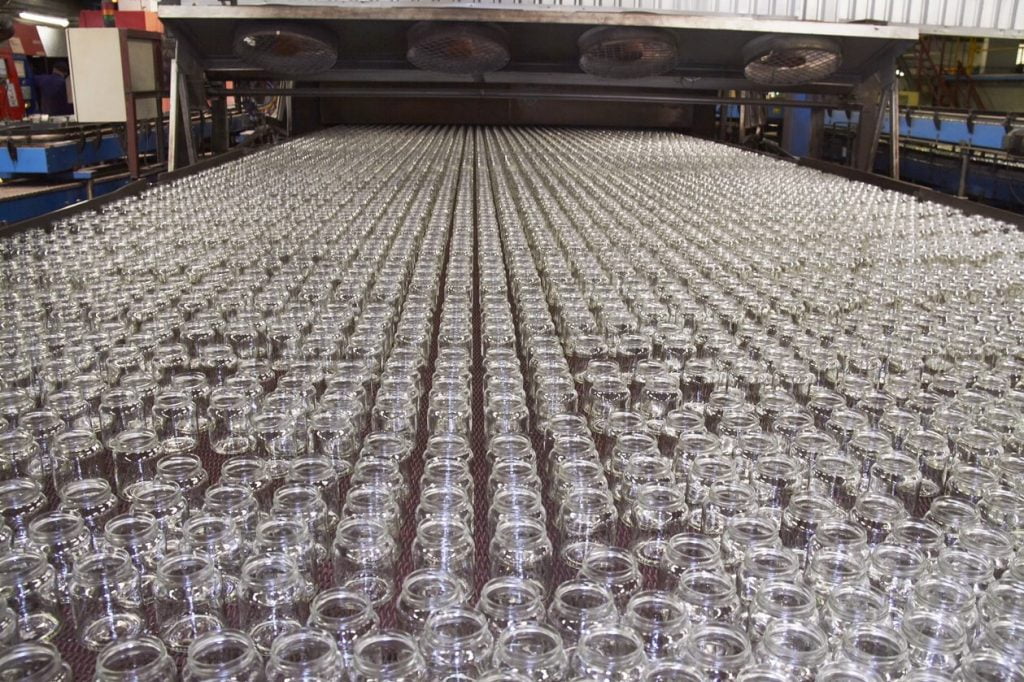
Every jar of yours goes through an annealing lehr on a controlled cooling curve, and we check residual strain under polarised light on every run. Your fill temperature and whether you pasteurise both belong on the enquiry, because the quotation is made against those conditions.
Four lid systems come with the jars, each matched to the finish drawing on the design you shortlist. Where you already run a cap, we match the jar to it instead.
Your quotation states the lid, the liner and the finish it seals against, so your closure supplier or ours signs off on paper before the order.
Bulk terms from the factory. No tooling on an existing mould, 15–20 days from confirmation, jars sampled with the cap on, and a pallet count printed beside your price.
Pallet or container
No tooling minimum on existing moulds: your first order is a pallet if that is all you need, and a container when you scale — the same terms for private-label packers and own-brand producers. Custom moulds start at 12,000 pieces in extra-flint or 50,000 in standard flint, the numbers your competitors will be quoted too.
15–20 days
From order confirmation on existing moulds. Custom moulds run 30–45 days from drawing approval, after the tooling stages, and you hold samples before either clock starts.
On request
You approve a physical sample before any existing-mould order ships. Custom: an acrylic prototype in about 10 days at $500, then a sample mould at 35 days that puts 5–10 decorated pieces in your hand.
EXW · FOB
Warehousing and consolidation in-house. Transit is quoted to your port. Jars from several categories ride in your one container, which is how most first orders are built.
≈22,000–60,000 per 40HC
By design and export pack: about 22,000 irregular 750 ml jars, about 60,000 of your 12 oz. Your exact 20GP / 40HC count comes with the quote.

Your preserve shelf sells on the label and the lid, and both can come from us. Our Shandong plant frosts, sprays, screen prints, hot stamps, electroplates and labels in-house, so your decorated jar keeps the same 15–20 days as a plain one.
We quote decoration per design, beside the glass. Decoration and labelling in detail →

A cap, a rival's jar or a drawing starts the check. Existing moulds cover almost every preserve brief, because the trade runs on standard lug finishes and your customer buys the label. When a jar of your own earns its keep, our mould shop prices it in three stages.
A full-size model of your jar to sign off shape, proportions and label panel before any steel is cut.
Real glass from a sample mould, 5–10 decorated samples in your hand for filling-line and retailer approval.
Production tooling on the flint lines in Shandong. Minimum 12,000 pieces in extra-flint, 50,000 in standard flint.

We form your jars in Shandong, decorate them on the same site and load them with our own warehouse team, so the glass, the cap and the carton come from one supplier. Specialty food buyers in 40+ countries have shipped from these Shandong lines since 2013, on the same terms you get.
We inspect the neck and sealing surface on every jar at both sites: by machine plus an inspector in Shandong, and by hand with a two-hourly audit sample at Xuzhou. Most plants sample. A leaking pallet on your customer's shelf is why we do not.
We verify brimful capacity by water-fill weight on every run, and the mould number in the base traces any drift on your pallet to its cavity.
Controlled lehr curve on every jar, and we check residual strain under polarised light on every run, with polariscope results on request.
Your shipment carries an EC 1935/2004 declaration of compliance for the EU and UK, food-contact documentation to FDA requirements for the US, and ISO 9001. SGS test reports and third-party pre-shipment inspection come on request.
How fast a cap you post to us comes back matched, what a half pint and a pint actually hold, and what a first pallet costs you.
Usually. A photo with a ruler in frame, or your closure supplier's finish drawing, is enough for us to identify the existing-mould jar that fits it. If nothing in the range matches your finish, you hear that at the enquiry stage, with the custom-mould path and its numbers.
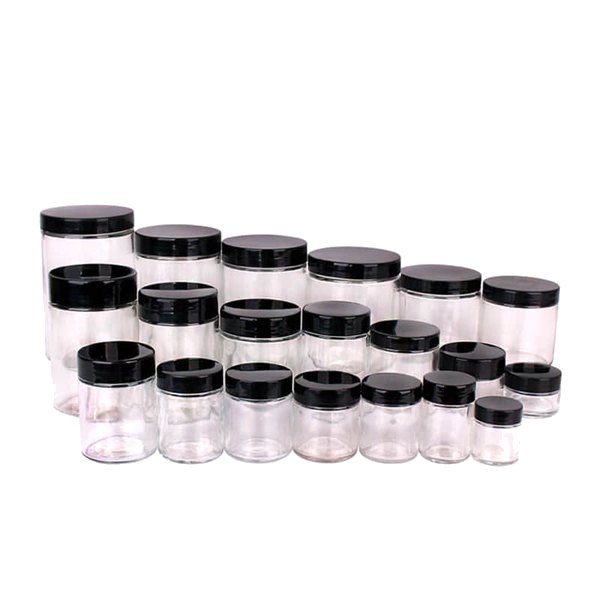
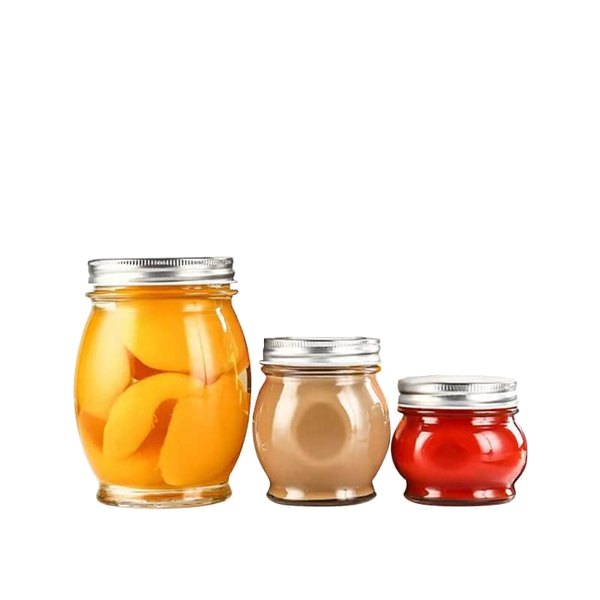
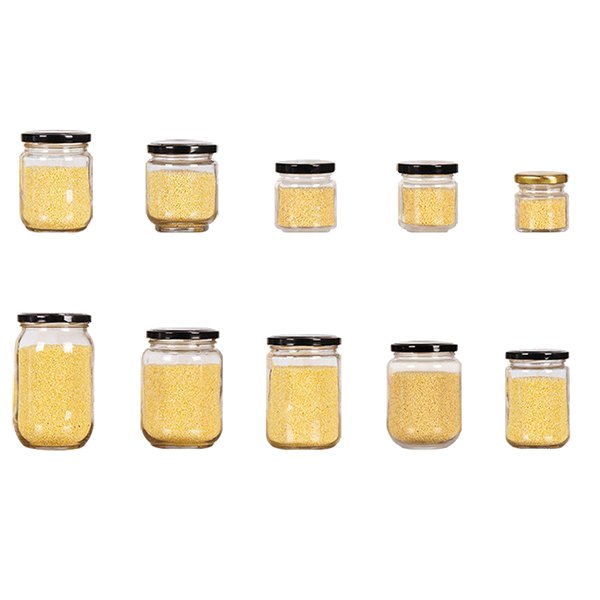
8 oz is about 250 ml, 12 oz about 380 ml, 16 oz about 500 ml. All three run on existing moulds for you, alongside 45 ml (1.5 oz) samplers up to 770 ml (26 oz) catering jars. In the US you will see these listed as canning or mason-style jars with twist-off lids.
Your quotation carries the finish drawing for every design, so your cap supplier can lay it over their own before anything is ordered. Where you already run a lug cap, send the cap itself and we match jars to it first. Tinplate twist-offs with plastisol liners are what most of your options are finished for.
The manufacturer. Your jars are formed on the flint lines in Shandong, one of MAIDAO's two production sites, and decorated on the same site. Repackers buy from plants like ours and sell by the case, which suits a farm-shop run; from a pallet upward the freight starts working in your favour.
Yes. Your jars are clear soda-lime glass, shipped with food-contact documentation for the US (FDA food-contact requirements) and the EU (EC 1935/2004 declaration of compliance), and SGS test reports come on request.
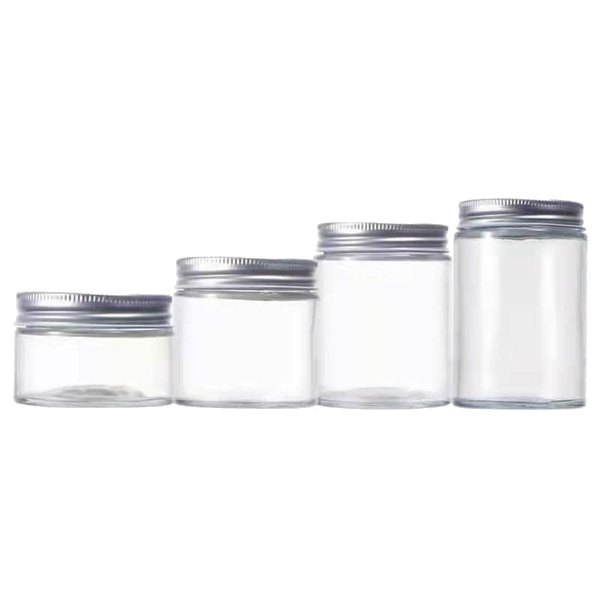
Yes, within a series. Your quotation lists which of the sizes you asked for share a finish, so a two- or three-size shelf runs on one capping head with one lid stock.
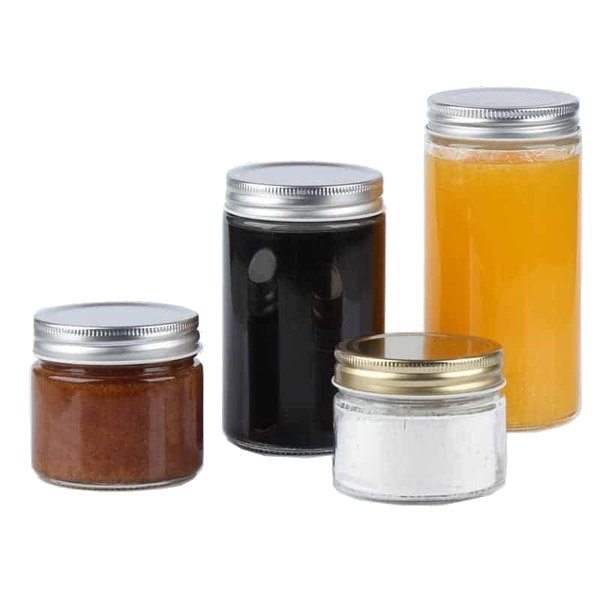
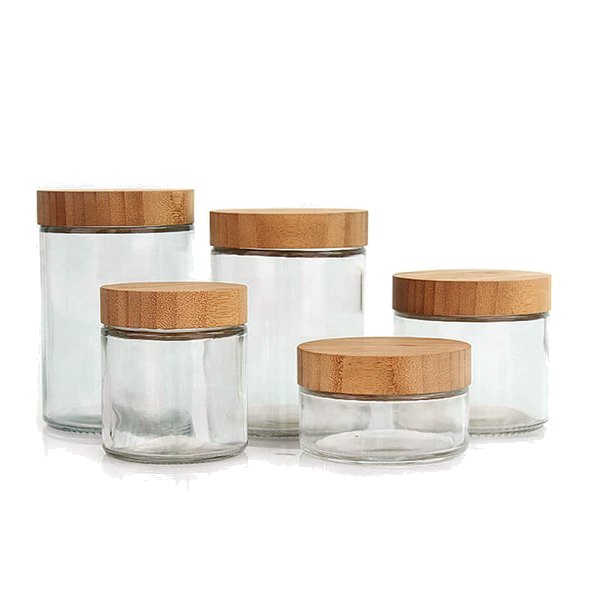
Yes. We price four lid systems with your jars: tinplate twist-off, aluminium, plastic, and bamboo or wood, each matched to the finish drawing of the design. If you already run a cap, we match the jar to it instead.
No tooling minimum on existing moulds: a pallet if that is what you need, a container when you scale, and jars from several categories in the same container. Custom moulds start at 12,000 pieces in extra-flint or 50,000 in standard flint.
Yes. One line in your first email brings it back signed before any drawing changes hands.
A cap, a reference jar or a specification is enough to start. Our food glass desk answers you with a quotation, drawings and loading data inside 24 hours.
You get matching existing-mould options, pricing and loading data within 24 hours.
We find the existing moulds that fit before anyone talks about tooling.