
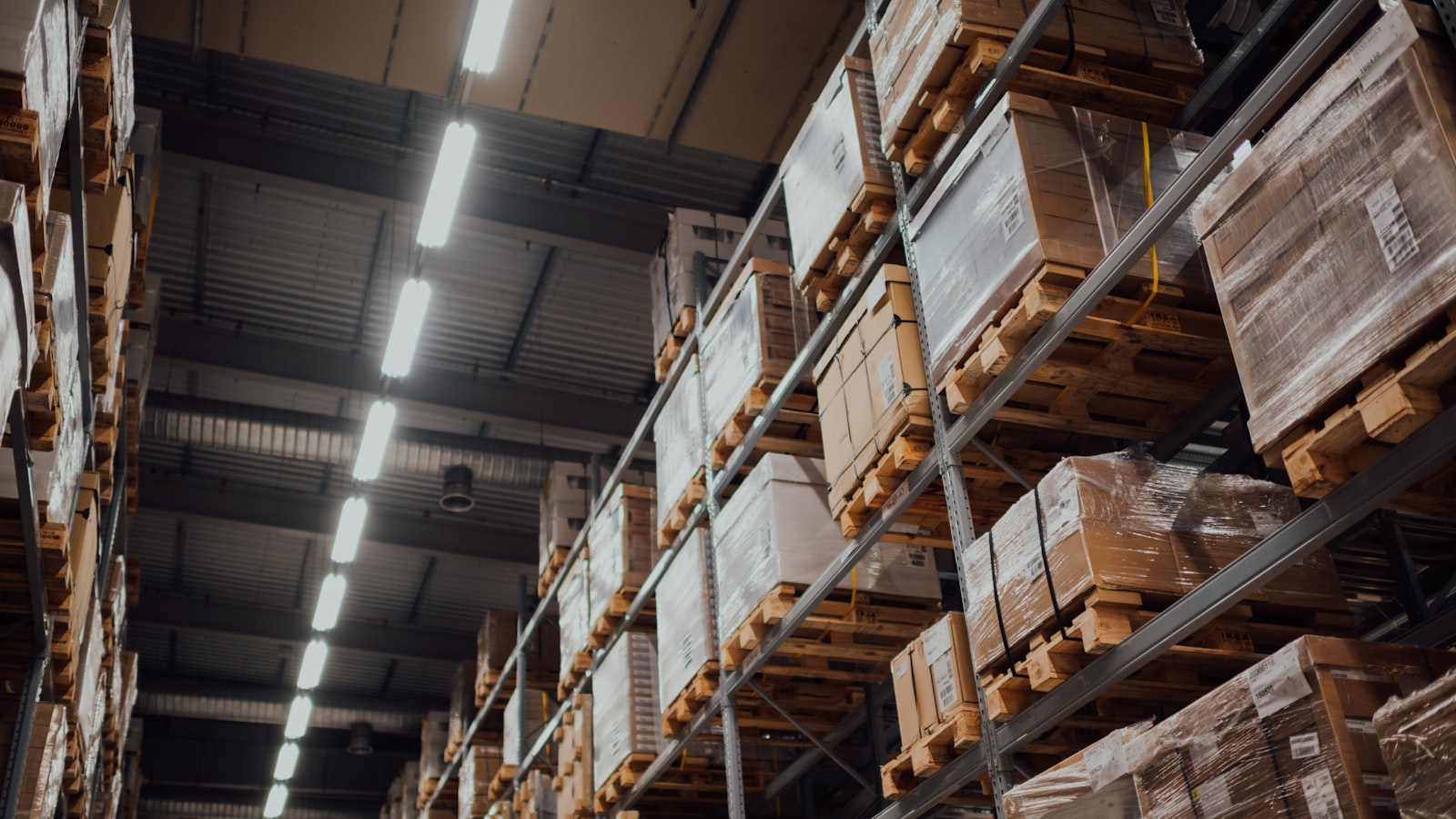
Two containers of the same bottles can hold different quantities and cost different amounts to unload. The gap comes from a single decision made before loading, and it is yours rather than your supplier's.
The 3 Trade-Offs Between the Methods
| Trade-off | Bulk loading | Palletised loading |
|---|---|---|
| Pieces per container | More, since cartons use the full height and width. | Fewer, because pallets take floor space and height. |
| Unloading | Hours of manual handling at your dock. | Minutes with a forklift, straight into racking. |
| Transit damage | Higher risk if the stack shifts on a long sea leg. | Lower, since a wrapped pallet moves as one block. |
When Bulk Is the Right Call
Three situations favour it. A tight freight budget on a long lane, where the extra pieces per container change your landed cost per bottle meaningfully.
A destination with cheap labour and no forklift, where manual unloading costs your business little. And a first order small enough that you would otherwise ship a half-empty box. SGSBOTTLE quotes both methods for glass from the 14 lines in Shandong and Xuzhou.
When Pallets Pay for Themselves
Your dock decides this more than your budget. If goods go into racking, a palletised container is emptied in minutes and the stock is put away in the same movement.
Your labour cost is the second factor. Hand-unloading a full container is a day of work somewhere in your business, and that day rarely appears in the freight comparison that made bulk look cheaper.
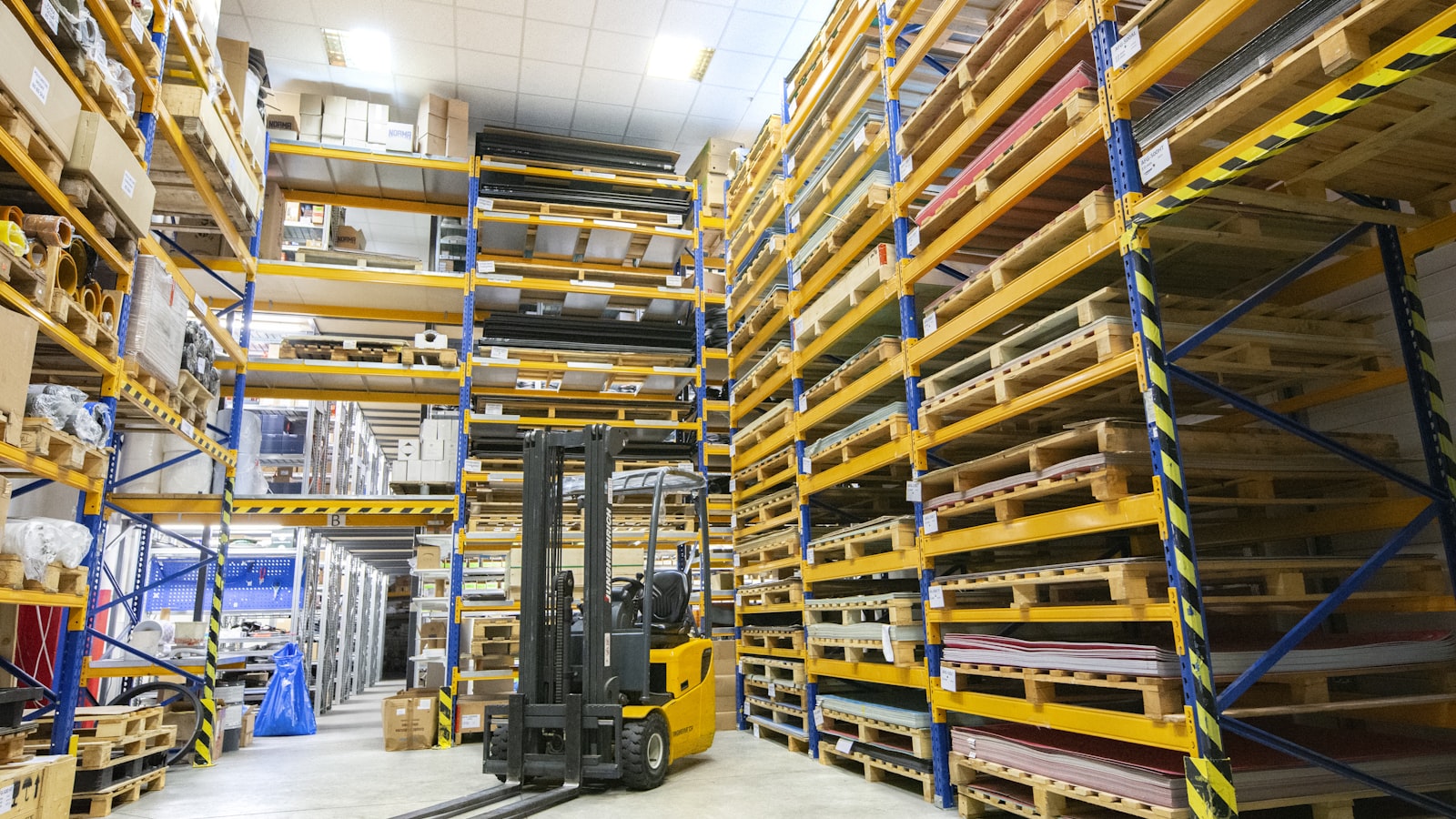 A wrapped pallet moves as one block. SGSBOTTLE loads from 14 lines in Shandong and Xuzhou.
What Bulk Loading Needs to Be Safe
Your bulk load has to be tight. Gaps let cartons move, and movement over a sea leg is what turns your full container into a claim.
Ask for dunnage, airbags or strapping in the loading plan rather than assuming them. A 750 ml (25 oz) order stacked tightly with voids filled arrives far better than the same cartons stacked loosely and left to settle.
How to Compare the Two Honestly
Put four numbers side by side. Pieces per container each way, freight per container, unloading labour at your end, and expected breakage.
Then divide by pieces. A 500 ml (17 oz) order that looks cheaper in bulk on freight alone often loses that gain to a day of manual handling and a few broken cartons.
What Goes on Your Enquiry
Your format in ml and oz, your quantity, whether you have a forklift and dock, and your destination port. SGSBOTTLE comes back with the piece count both ways, the packed weight and a loading plan for your order.