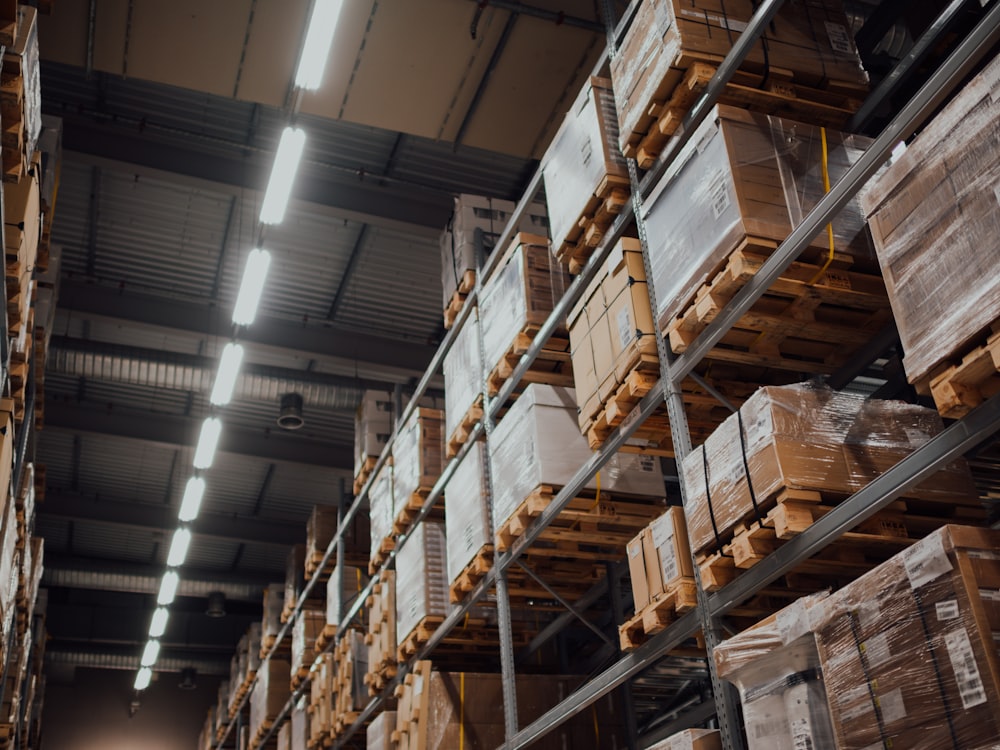

How many glass bottles fill a 40HC, what bulk and palletised loading each cost you, and what moves the price between EXW and your warehouse door.
Freight comes per box, and a 40HC holds about 25,000 glass bottles of 750 ml (25 oz) in standard shapes, 22,000 in irregular ones, or 60,000 bottles of 12 oz (355 ml), so the shape you choose moves your landed cost per bottle before you sign a quotation. Those counts come off the 14 SGSBOTTLE lines in Shandong and Xuzhou.
SGSBOTTLE ships from Shandong and Xuzhou to 40+ countries on EXW or FOB terms, and the loading plan for your exact cartons and SKU mix comes with the quotation, so you book freight on a real count.
Your loading plan names the site, the carton and the pallet pattern before you book. SGSBOTTLE loads from 2 sites in Shandong and Xuzhou, and a 500 ml (17 oz) order and a 1 L (34 oz) order are planned the same way. Tell us your destination port and your quantity, and the packed weight comes with the quotation.
About 25,000 bottles of 750 ml (25 oz) in standard shapes, 22,000 irregular, 60,000 of 12 oz: the 40HC loading maths, bulk against pallets, and what moves landed cost.
Enter your bottle diameter, height and gram weight and read how many pieces a 40HC or 20GP holds. Worked examples render whether the calculator runs or not.
What each Incoterm moves from your side to ours, why containerised glass often ships FCA, and the six line items between a Chinese factory gate and your warehouse door.
Glass fills a container by weight long before it fills it by volume. How payload limits, tare weight and VGM decide your container choice, and when a 20GP wins.
Incoterms divide cost, risk and paperwork between you and your supplier. What all 11 rules cover, which four apply to sea freight only, and how to write one correctly.
Bulk loading fits more glass in a container; pallets get it out faster and safer. What each costs you in count, labour, damage and unloading time.
Most transit damage starts inside the carton. What partitions, pads, trays, board grade and pieces per carton each do, and how to write them into your order.
Broken glass on arrival is a question of proof, not opinion. What actually causes transit damage, what evidence a claim needs, and when to open the container.
Glass containers classify under heading 7010. What the subheadings cover, why the code drives your duty rate, and the documents that clear a container without delay.
Freight rates move, sailings fill and peak season arrives every year. What booking, transit time, season and demurrage each do to a glass order, and how to plan them.
Every gram in your bottle ships twice and gets paid for every year. How glass weight moves container count, freight, recovery fees and shelf impression at once.
About 25,000 bottles of 750 ml (25 oz) in a standard shape, about 22,000 when the silhouette is irregular, and about 60,000 bottles of 12 oz (355 ml). Heavier glass and taller shapes lower the count, and the plan for your SKU mix comes with the quotation before you book freight.
Both. EXW from the factory gate in Shandong or Jiangsu when your forwarder collects, FOB from the Chinese port when ours books the sea leg. The difference is the inland haul and port handling, and either way the loading plan and packing list travel with the shipment.
Tell us the fill and the market and a sales engineer replies within one business day, with the finish drawing and the loading plan.
Request a Quotesales@sgsbottle.com · Mon–Sat 8:30–18:00 (GMT+8)