
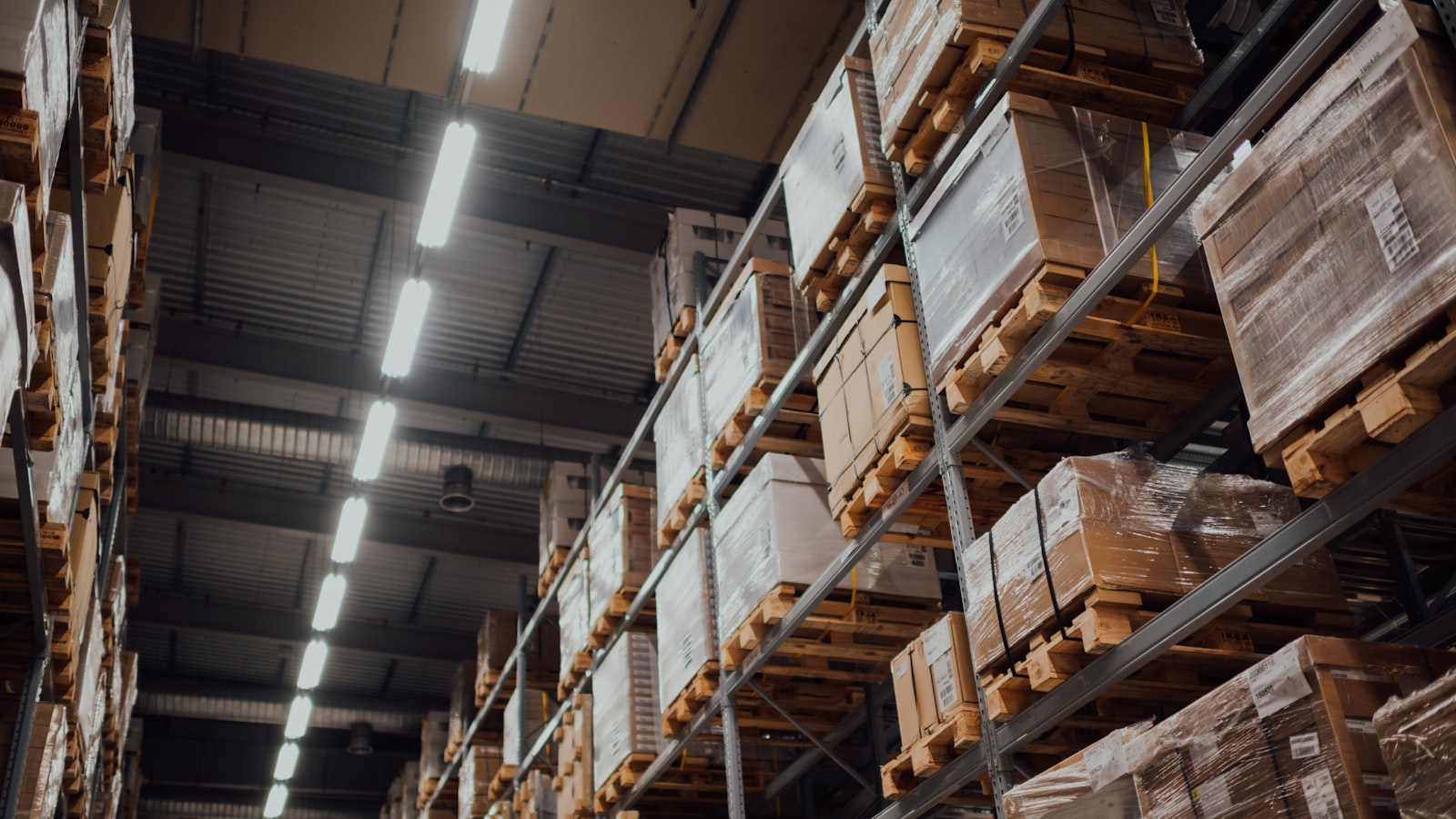
Your glass weight is the number that touches the most parts of your business. It sets your freight, your recovery fees, your shelf impression and your strength, and three of those four pull in the same direction.
Where Every Gram Shows Up in Your Costs
| Cost | How weight moves it | How often you pay it |
|---|---|---|
| Pieces per container | Weight caps the load before your cube fills. | On every shipment, for the life of your design. |
| Freight per bottle | Fewer pieces per container raises your unit cost. | On every shipment, in every direction. |
| Recovery fees | EPR schemes charge by packaging weight. | Every year you sell into that market. |
| Shelf impression | Heft reads as quality in your customer's hand. | At every purchase decision. |
Why Glass Fills a Container by Weight
Most cargo runs out of space first. Your glass runs out of payload, so the box is still holding air when the scale stops you.
That inverts the usual arithmetic. A lighter bottle does not just save weight, it converts that saving straight into more pieces in the same freight, and SGSBOTTLE gives the packed weight and the piece count with the loading plan for glass from 14 lines in Shandong and Xuzhou.
Taking Weight Out Without Losing Strength
Weight and strength are only linked through wall distribution. A bottle fails at its thinnest point, so glass sitting where it does no work adds mass without adding capability.
That is what press-and-blow and NNPB buy you: more even walls, so the same strength needs less glass. Ask what forming process a weight proposal assumes, since a lighter bottle on the same process usually just means thinner walls in the same uneven distribution.
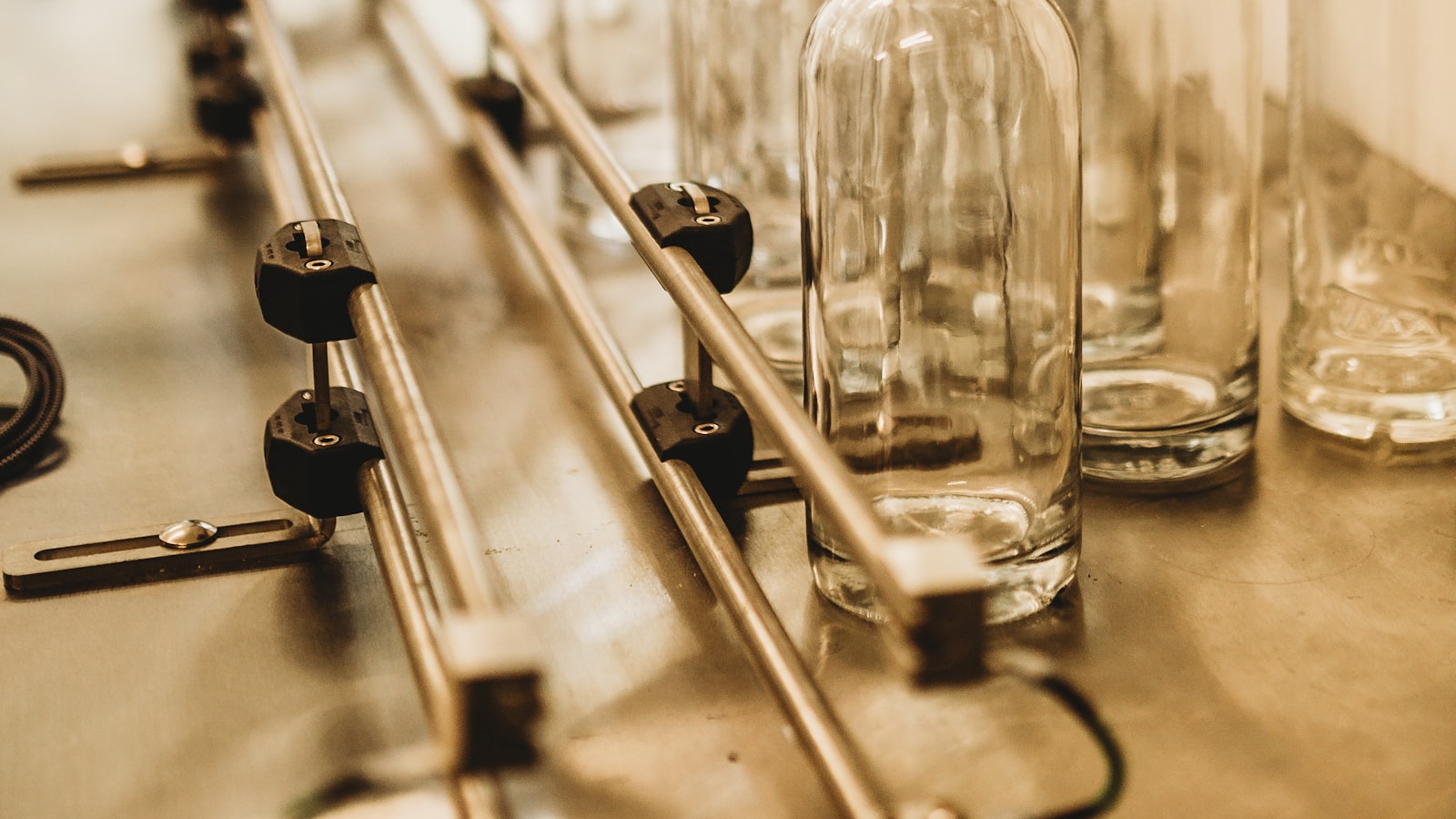 Even walls let you remove weight safely. SGSBOTTLE gauges walls on 14 lines in Shandong and Xuzhou.
Where Heavy Glass Still Earns Its Place
Your premium spirits, your reserve wines and your prestige beauty packs all trade on heft. A customer picking up a 750 ml (25 oz) bottle reads weight as quality before reading anything printed on it.
Spend it deliberately there and nowhere else. A heavy bottle in a value tier costs you freight and fees while communicating nothing your customer is paying for.
How to Compare Weight Options Honestly
Ask your supplier for the same design at several weights, then put four numbers beside each. Pieces per container, freight per bottle, annual recovery fee, and the tested pressure or vertical load figure.
Divide by pieces and the answer usually becomes obvious. SGSBOTTLE quotes several weights against one drawing for glass from the 14 lines in Shandong and Xuzhou, with the test results for each.
What Goes on Your Enquiry
Your format in ml and oz, your current bottle weight if you have one, your annual volume, your destination markets and your brand position. SGSBOTTLE comes back with weight options, the pieces per container for each and the strength results behind them.