
Your duty rate, your preference eligibility and your clearance speed all follow from a code written on an invoice. Getting it right costs nothing; getting it wrong costs storage at a port.
What Heading 7010 Covers
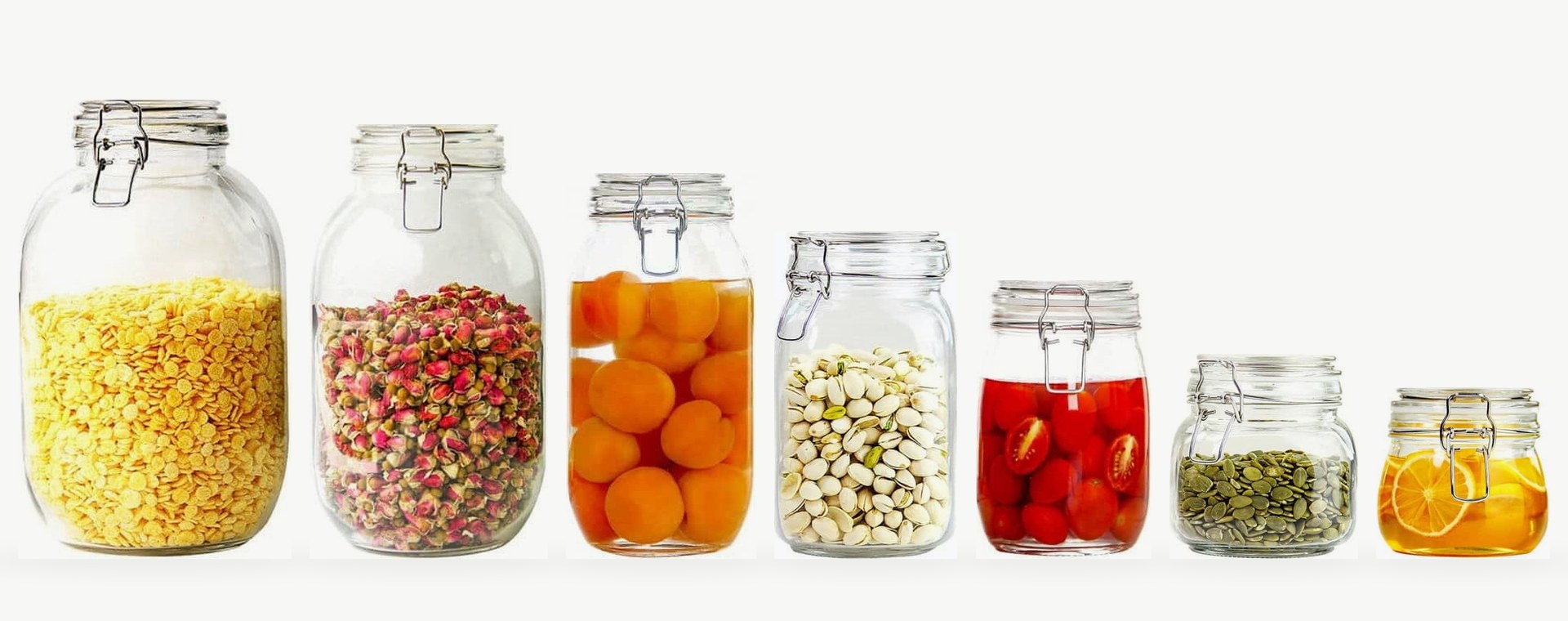
The heading is for glass containers used to convey or pack goods, plus the glass stoppers and lids that go with them. Bottles, jars, flasks, pots and carboys all sit inside it.
What sits outside matters as much. Drinking glasses, tableware and decorative articles classify elsewhere, so a glass item that holds a product on a shelf and a glass item you drink from take different codes.
The 3 Subheadings and What They Hold
| Subheading | What it covers | Where your goods usually land |
|---|---|---|
| 7010.10 | Ampoules. | Pharmaceutical packing rather than food or drink. |
| 7010.20 | Stoppers, lids and other closures of glass. | Glass closures shipped separately from your bottles. |
| 7010.90 | All other containers of glass. | Most bottles and jars, including yours. |
Why the Code Drives Your Landed Cost
Duty is charged as a percentage of your declared value, so the rate attached to your code changes your landed cost per bottle directly. Two plausible codes with different rates make a real difference across a container.
Preference programmes add to that. Where a trade agreement applies, the code decides whether your goods qualify, and a certificate of origin only helps if the classification supports it.
 The code travels on the invoice. SGSBOTTLE ships from 14 lines in Shandong and Xuzhou.
The 5 Documents Your Broker Will Ask For
Commercial invoice with the code, the value and the terms. Packing list matching it carton for carton. Bill of lading from your carrier.
Then a certificate of origin where you claim a preference, and the food-contact declaration your market requires for glass. SGSBOTTLE issues the invoice, packing list and declaration together for glass from the 14 lines in Shandong and Xuzhou.
Where Shipments Get Held
Three mismatches account for most delays. A packing list that disagrees with the invoice on count or weight. A description too vague for the code claimed.
And a missing declaration for food contact, which stops a 750 ml (25 oz) jar as effectively as any duty question. Check all three before the container sails rather than after it lands.
What Goes on Your Enquiry
Your format in ml and oz, your quantity, your destination market, and whether you claim a trade preference. SGSBOTTLE comes back with the code used on the invoice, the packing list format and the declarations that travel with your order.