

Freight is the part of a glass order that a buyer controls least and pays for most. Four things move it, and all four can be planned around if you know they exist.
The 4 Things That Move Your Freight
| Factor | What it does | How to plan around it |
|---|---|---|
| Booking lead time | Decides whether space exists on the sailing you want. | Book against your production date, not your ready date. |
| Transit time | Direct sailings run far shorter than transhipment routes. | Compare port to port and door to door before choosing. |
| Season | Rates and space tighten before major holidays. | Move production earlier rather than paying the peak. |
| Demurrage and detention | Charges once free time at the port runs out. | Have papers ready before the vessel arrives. |
Why Booking Follows Production, Not Hope
Space gets allocated well before a vessel sails. A booking made when your goods are already packed competes for whatever is left, which is the expensive end of the market.
Book against your production schedule instead. SGSBOTTLE gives the production window and the packing date with the order confirmation, for glass from the 14 lines in Shandong and Xuzhou, so your forwarder can book while space is still open.
Transit Time Is Not One Number
Port to port is the figure quoted, and door to door is the figure you live with. Inland haulage, customs clearance and delivery scheduling all sit outside the sailing time.
Transhipment adds more. A route that changes vessel at a hub carries a wait at that hub and an extra handling risk for a 330 ml (11 oz) glass order, so a direct service can be worth its premium.
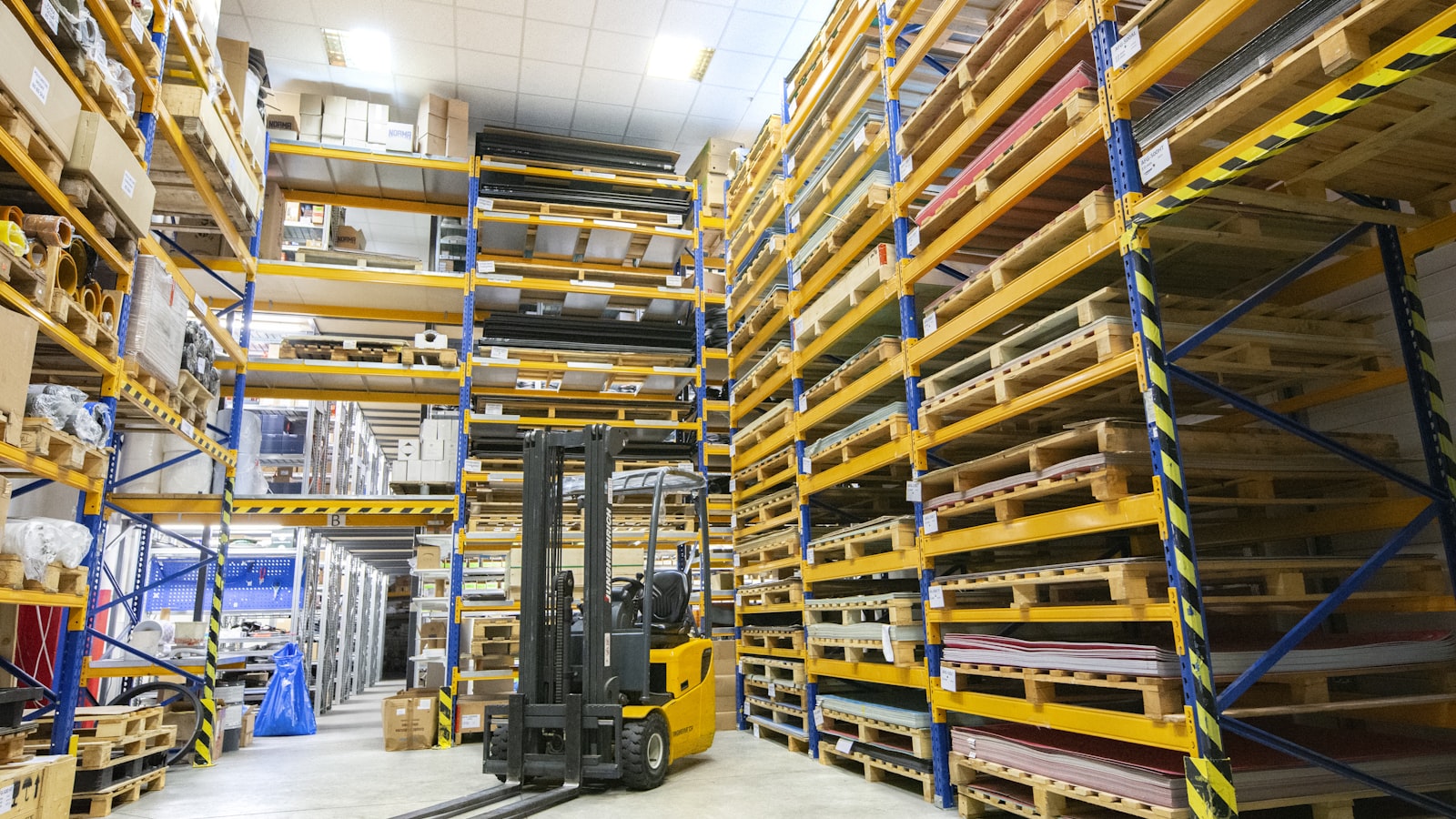 Door to door includes what happens after the port. SGSBOTTLE ships from 14 lines in Shandong and Xuzhou.
Planning Around Peak Season
Every year the same weeks tighten. Factories push to complete orders before holiday shutdowns, space fills, and rates climb for everyone shipping in that window.
The fix is calendar work rather than negotiation. Pull your production forward, ship before the rush, and hold stock at your end instead of paying peak rates on a 750 ml (25 oz) container that could have sailed earlier.
Keeping Demurrage at Zero
Free time at the port is generous until it is not. Charges start quietly, accumulate daily and are almost never budgeted.
Three habits prevent them. Send your documents to the broker before the vessel arrives, clear customs on the first available day, and book collection in advance rather than after the container lands.
What Goes on Your Enquiry
Your format in ml and oz, your quantity, your destination port or door, your required arrival date, and whether you book freight yourself. SGSBOTTLE comes back with the production window, the packing date and the loading plan your forwarder needs.