
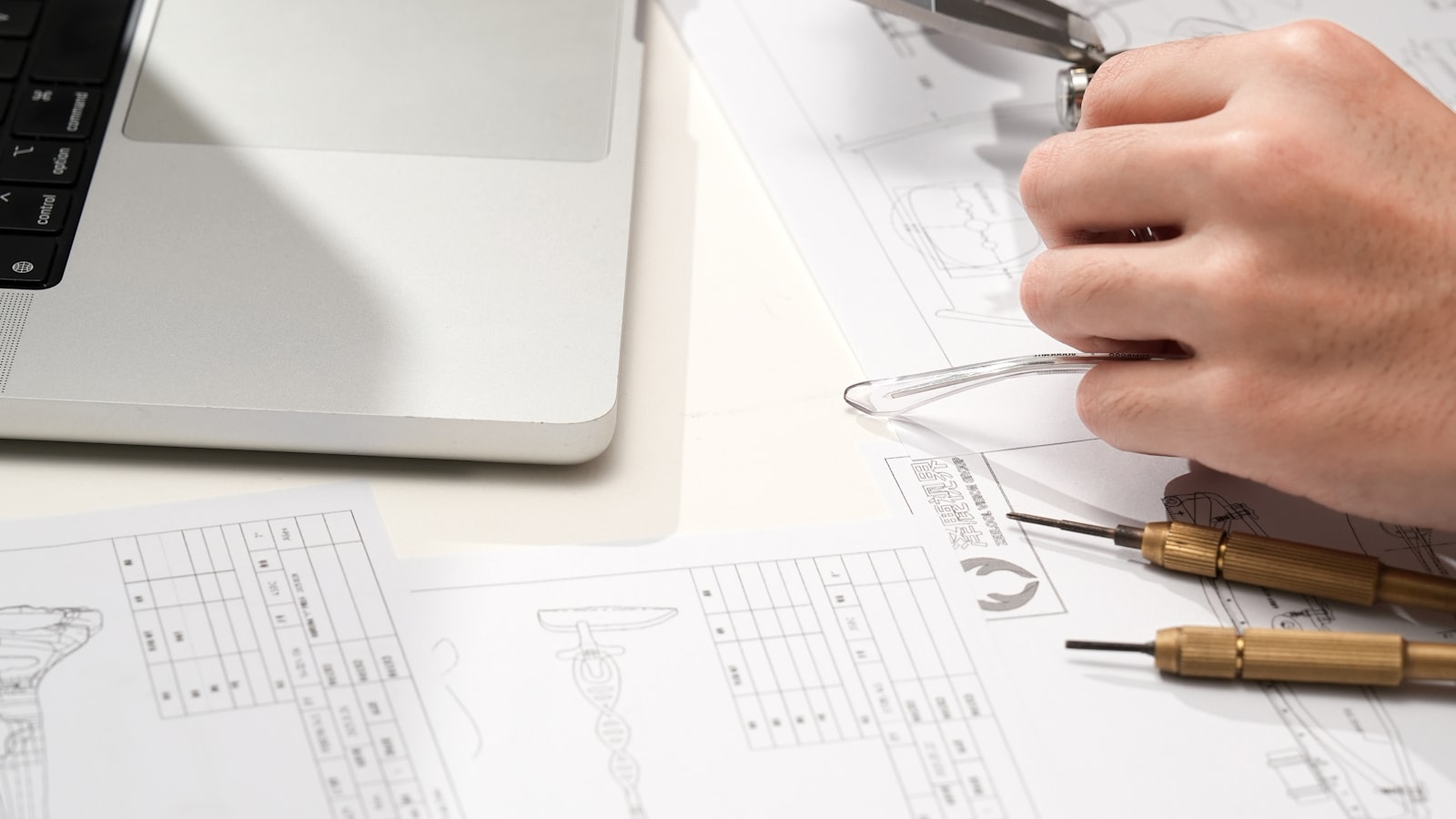
A custom glass bottle at SGSBOTTLE is nine steps, and every one of them ends in something you can hold or sign: a drawing, an acrylic model, real glass from a sample mould, production tooling, a first run, and the file that makes your reorders repeatable. You see every cost before you start: $500 for the prototype, about $1,200 for the sample mould and $1,200 to $2,200 for production tooling on a 700 to 750 ml (24 to 25 oz) basis, so nowhere in the nine steps do you commit to the next one blind.
The 9 Steps at a Glance
| Step | What happens | What you receive | Time and cost |
|---|---|---|---|
| You send a drawing, a reference bottle or a sketch; with only an idea, the design team develops 3D concepts first. | Engineering review and an itemised quote. | Quote within 24 hours; free. |
| Engineers fix dimensions, capacity in ml and oz, glass weight and neck finish on one drawing. | The drawing, for your written approval. | Free; nothing gets cut until you sign it. |
| The shop machines a full-size model of the exact shape and volume in acrylic. | The model, to hold, photograph and check against your label panel. | About 10 days; $500. |
| The mould shop cuts a single-cavity mould and blows your first real glass from it. | 5 to 10 samples in your decoration. | 35 days; about $1,200. |
| Your filler, your closure supplier, your decorator and your retailer sign off on the glass. | A written approval that unlocks production tooling. | Your timetable. |
| The mould shop cuts production tooling to the approved drawing and samples. | Tooling that stays yours, replaced free over its service life. | $1,200 in standard flint to $2,200 in extra-flint, 700 to 750 ml (24 to 25 oz) basis. |
| Your run goes onto one of 14 lines at the base that forms your grade. | The first production lot, inspected against the drawing and the samples. | 12,000 pieces minimum in extra-flint, 50,000 in standard flint; the date is on the quotation. |
| Line inspection, batch inspection, and third-party inspection on request. | Loading photos, the loading plan and the full document set. | Sample plan and AQL from your order. |
| The drawing and the reference samples stay on file. | Every reorder produced and inspected against the physical samples you approved. | No new tooling; runs can be warehoused and split into shipments. |
Step 1 and 2: Your Brief Becomes a Production Drawing
Any starting point works: a technical drawing, a bottle you already buy and want to improve, or a sketch on paper. SGSBOTTLE engineers turn it into a production drawing that carries the dimensions, the capacity in ml and oz, the glass weight, and the neck finish with its T, E, I, S and H figures, and the itemised quote comes back within 24 hours. That drawing is the first checkpoint: nothing gets cut, cast or scheduled until it carries your written approval, and the finish on it is the one your closure supplier signs off against.
Step 3: The $500 Acrylic Prototype
An acrylic prototype is a machined model of your bottle at its exact shape and volume, in about 10 days for $500. It is the cheapest point in the project to change your mind. You hold the proportions, check the label panel against your artwork, stand it next to the competition on a shelf, and photograph it for your buyer, all before any steel exists. A shoulder that looks wrong on a model costs you a new model; the same shoulder on a production mould costs you a mould.
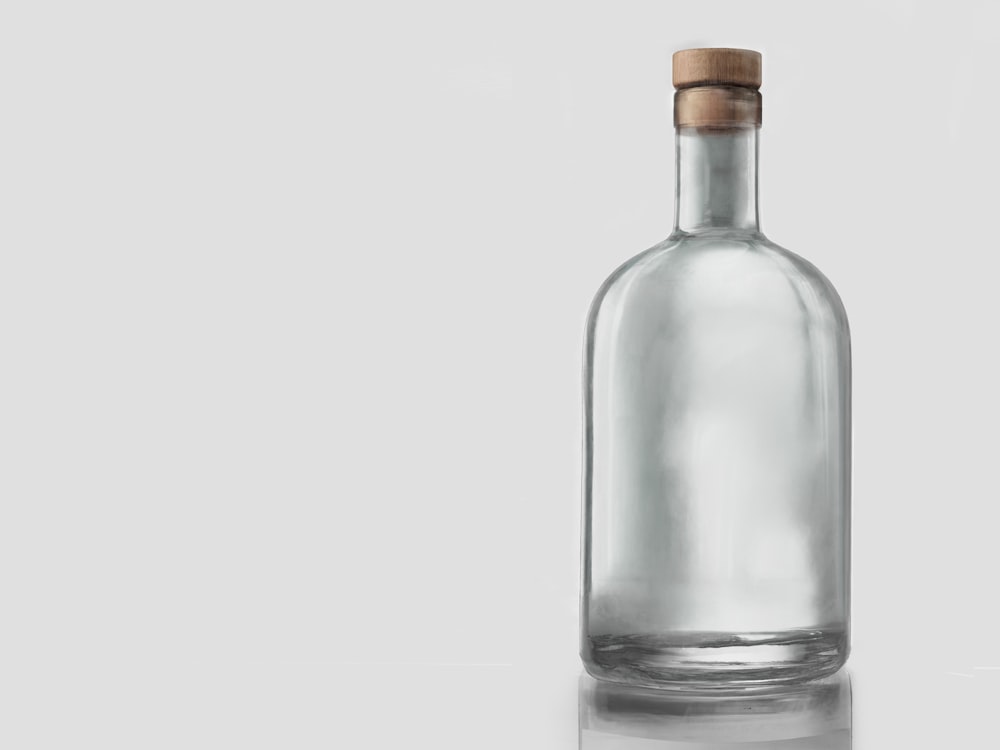 The sample mould puts 5 to 10 decorated bottles in your hand for $1,200, before any production steel gets cut.
Step 4 and 5: The Sample Mould and the 5 to 10 Samples That Protect You
A sample mould is a single-cavity mould cut to your approved drawing, and it produces your first real glass: 5 to 10 samples in your decoration, in 35 days for about $1,200. These samples are the checkpoint that matters most, because they go through every test the production bottle will meet. Your filler runs them on the line. Your closure supplier fits the cap and checks the seal. Your decorator proofs the frost, the print or the coating on the real curve of the glass. Your retailer sees the finished bottle, with its weight in the hand, before anyone commits to tooling or a run.
The approval at the end of step 5 is a written one, and it unlocks production tooling. A change at this stage costs you a revised sample; the same change after step 6 costs you a re-cut production mould, which is more than the $1,200 the sample mould would have saved.
Step 6: Production Tooling, Owned by You
The mould shop cuts production moulds to the approved drawing and the approved samples together, so the bottle that comes off the line is the bottle you signed for. On a 700 to 750 ml (24 to 25 oz) basis they run from $1,200 in standard flint to $2,200 in extra-flint, a fraction of Western tooling for the same shape, so a brand-exclusive bottle is no longer a large-brand privilege. The mould is yours: it runs for your orders and for nobody else, SGSBOTTLE maintains it between runs, and when it reaches the end of its service life SGSBOTTLE replaces it free of charge, so a long-run SKU keeps its schedule.
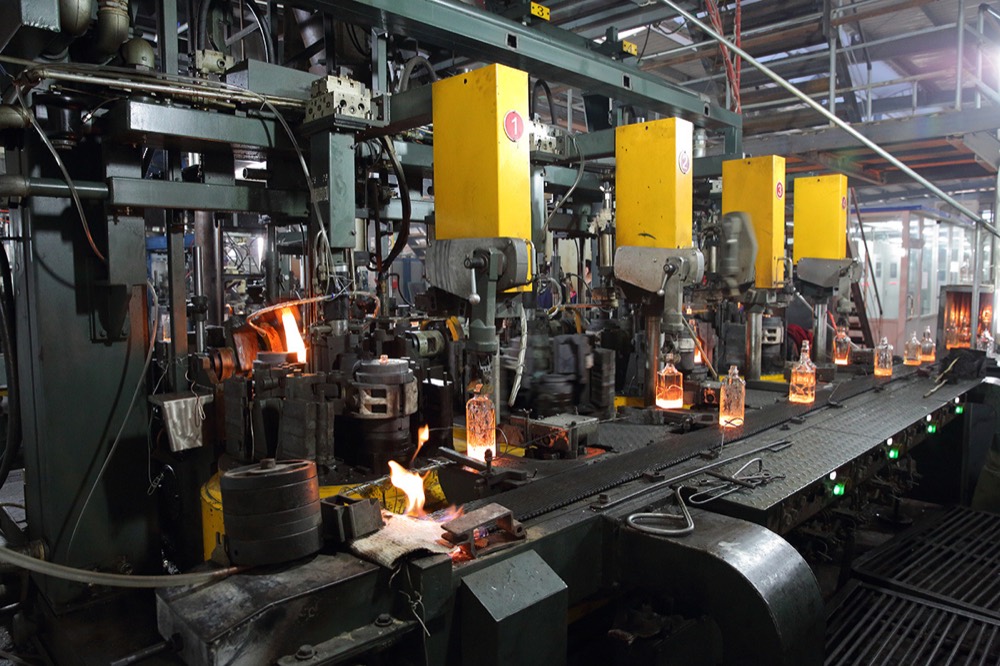 Shandong runs your extra-flint tooling on 14 lines, and a custom mould there starts at 12,000 pieces.
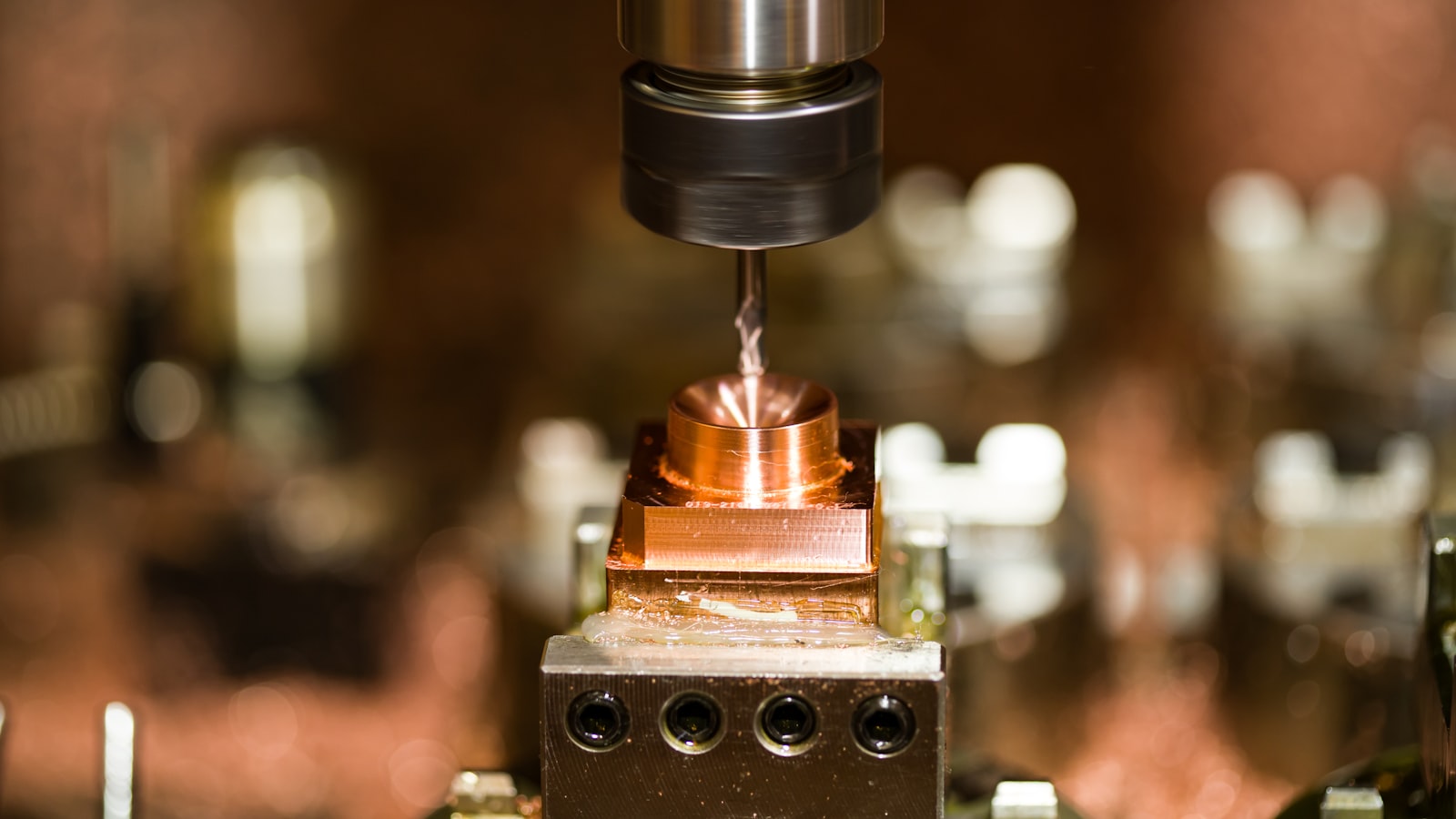 Your production tooling gets cut to the approved drawing and the approved samples together, so the bottle off the line is the bottle you signed for.
Step 7: The First Run and the Minimum Behind It
Your grade decides the site, and the base decides the minimum. Super flint runs in Shandong, on 7 lines built around spirits and perfume bottles, and a custom mould there starts at 12,000 pieces. Standard flint runs in Shandong and Xuzhou, and a custom mould in it starts at 50,000 pieces, because those lines run container-scale campaigns. The minimums are not policy: a glass furnace runs day and night, and they are the smallest run that is economical to schedule. The date of your first run depends on that schedule, so it goes on the quotation, and inspectors check the lot against your drawing and your reference samples before packing.
Step 8: Inspection, Documents and Loading
Every bottle of your first run gets a finish and sealing-surface inspection at the base, and the packed lot gets a batch inspection against the sample plan and the AQL in your order. SGS, TÜV or Bureau Veritas inspect before loading at your request, and you hold their report before the container leaves Shandong. Loading photographs, the loading plan for your cartons, the certificates your broker and retailer ask for, and the finish drawing travel with the shipment, so your first custom container clears customs and your compliance desk on the same paperwork as a stock order.
Step 9: Reorders Against the Samples You Approved
After sign-off, your drawing and your reference samples stay on file, and SGSBOTTLE produces and inspects every reorder against the physical samples you approved, never only against a written specification. There is no new tooling and no new approval loop, and a completed run can sit in SGSBOTTLE's warehousing and leave in separate shipments as your bottling schedule needs them, because the minimum is a production quantity and never a shipping one.
When You Actually Need a Mould
Existing moulds cover most briefs, because the trade runs on standard finishes and your customer buys the label. Four things call for a mould of your own. A new silhouette outside the existing range. A capacity between two existing steps: a 260 ml (8.8 oz) jar is a mould and not a variant of the 250, and in most cases your fill point moves inside an existing jar instead. A different neck finish, because an existing mould cannot be re-cut to another cap. And a glass colour, which is a separate melt as well as a mould; sprayed or frosted colour on clear glass gets you the look at pallet quantity.
When You Can Skip the Sample Mould
Only when the design is already proven. A bottle you buy today from another supplier and want to move to SGSBOTTLE has been through a filler, a capper and a shelf, so its production drawing can go straight to production tooling, with the first pieces off the mould serving as your samples. For a new design the sample mould stays in the plan: the 5 to 10 decorated samples are the checkpoint that stands between your artwork and $1,200 to $2,200 of steel, and skipping it saves five weeks at the cost of the only test that catches a wrong shoulder, a wrong finish or a colour that reads differently on glass.