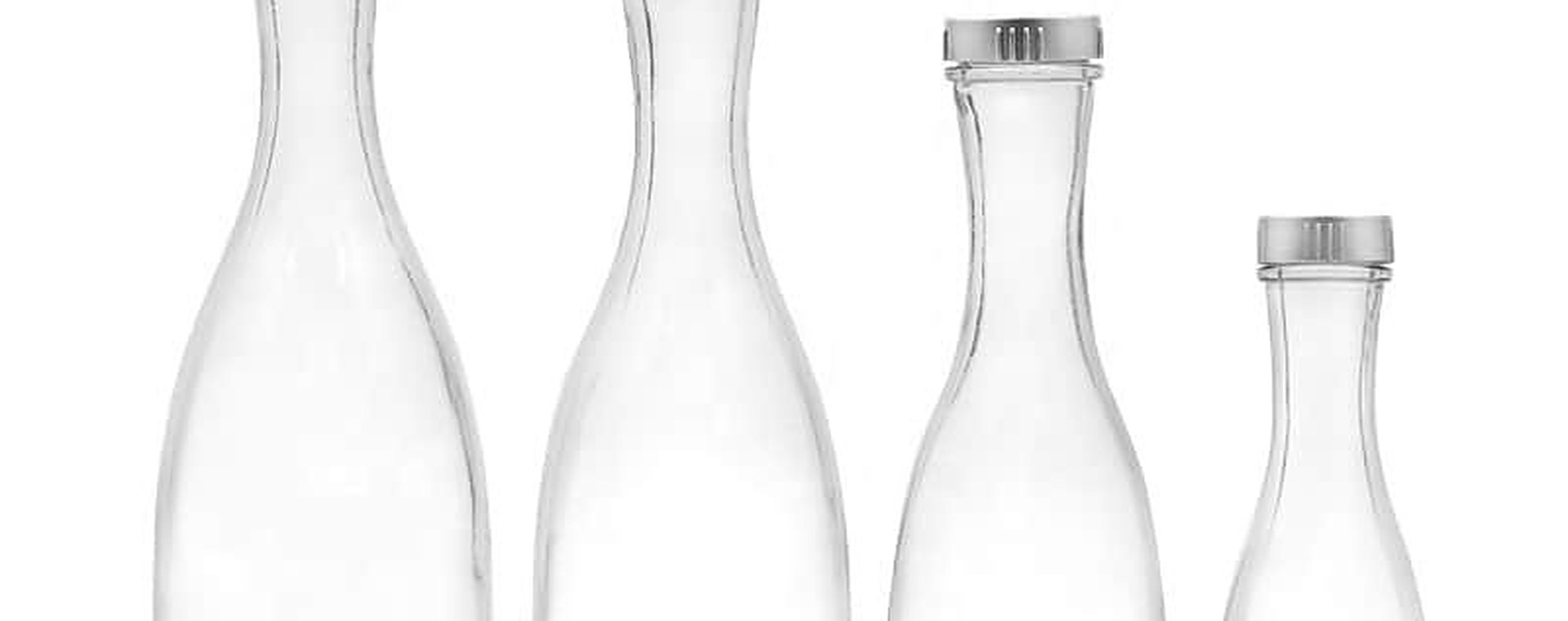
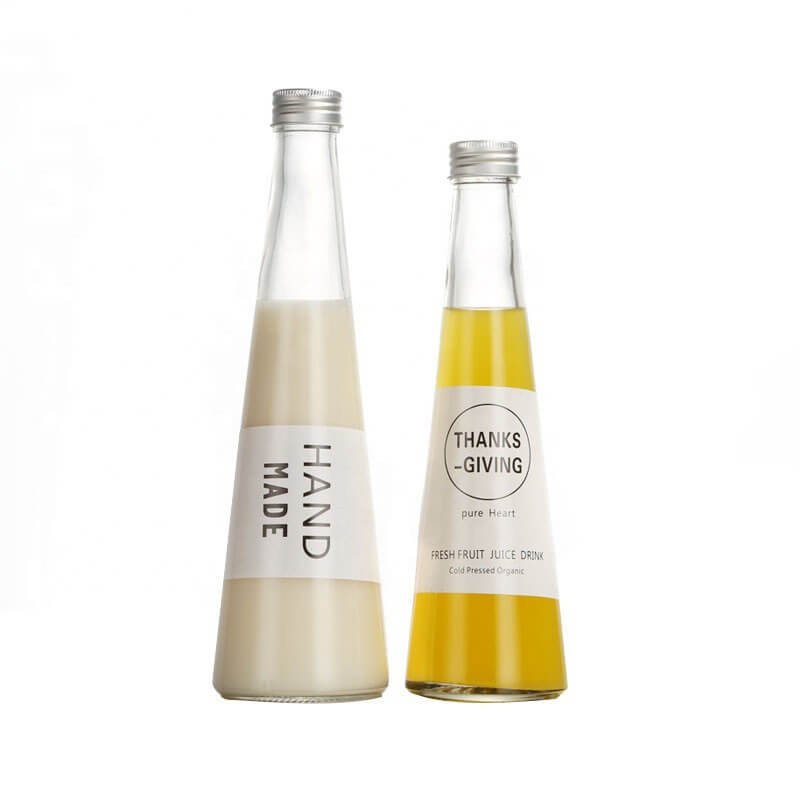
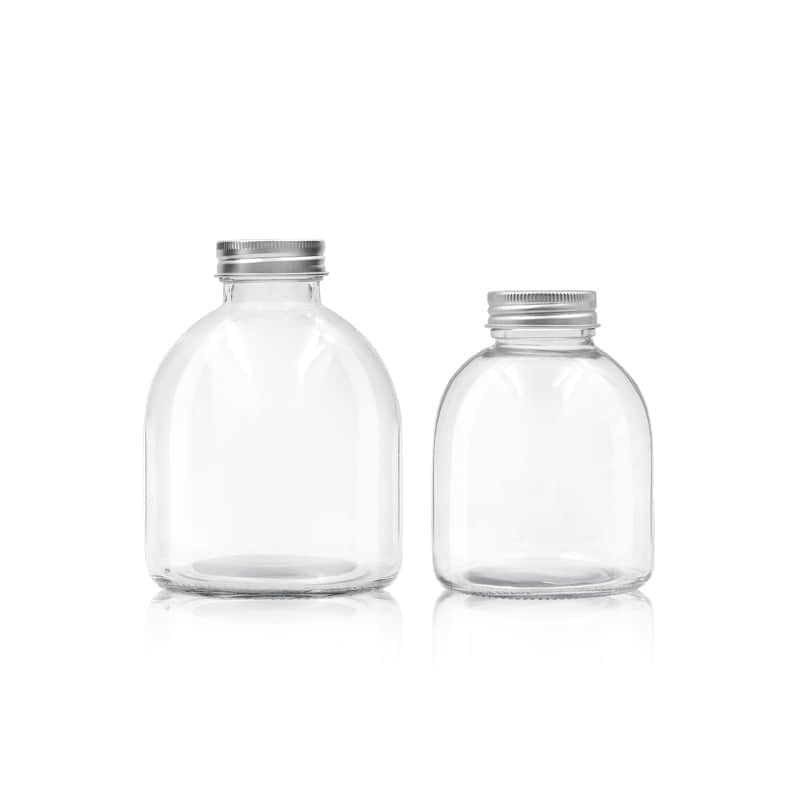
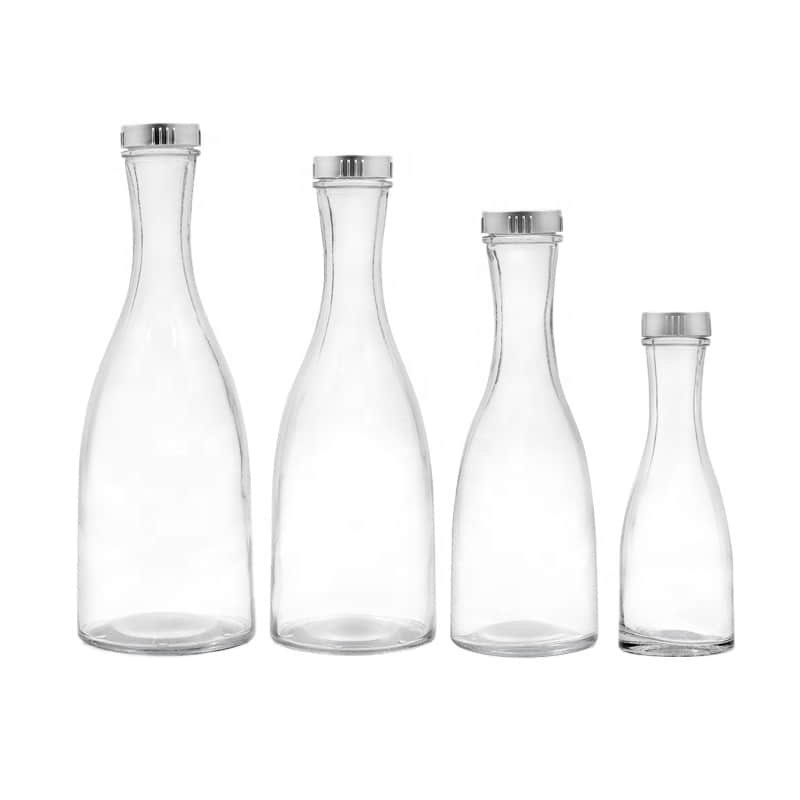
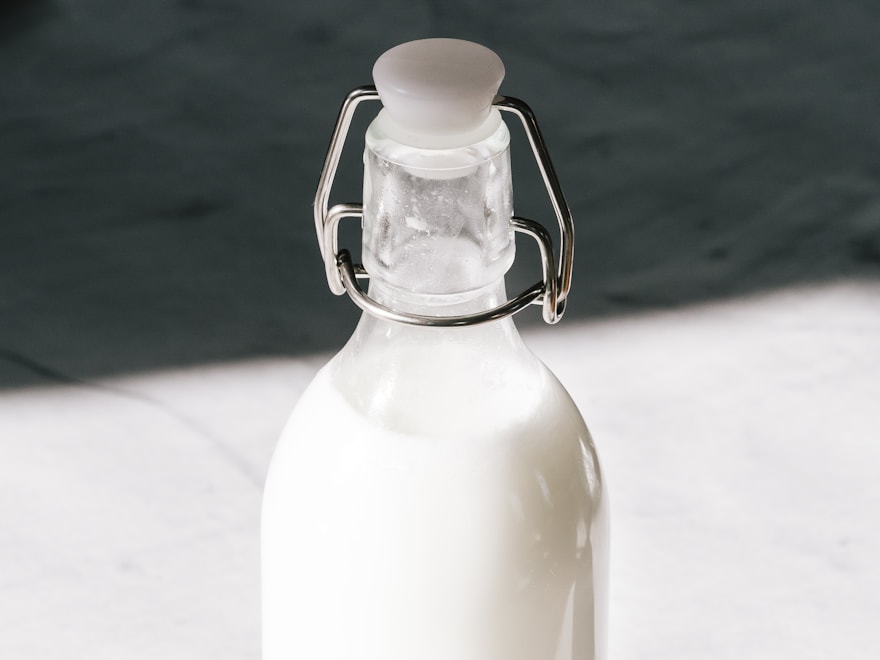
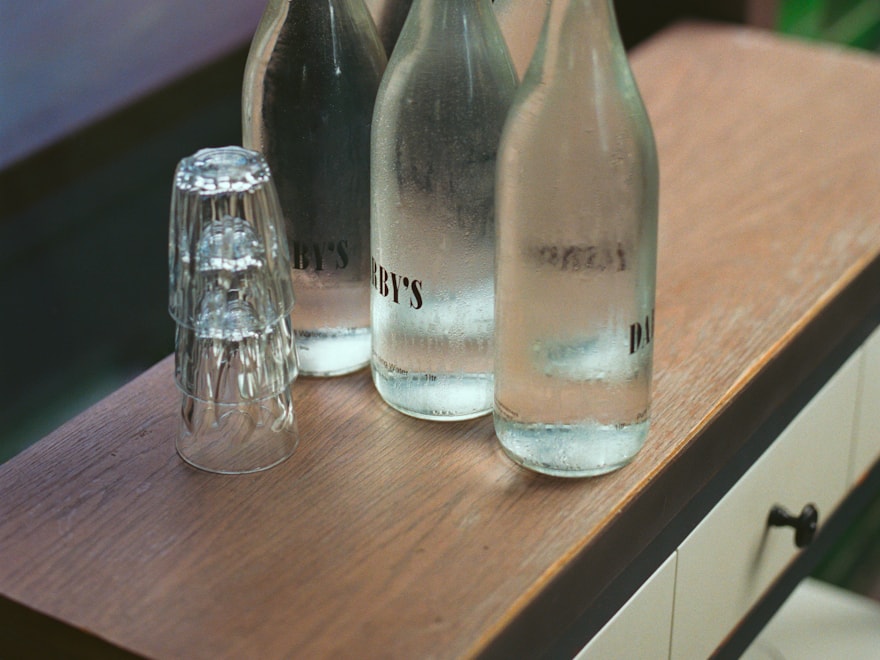
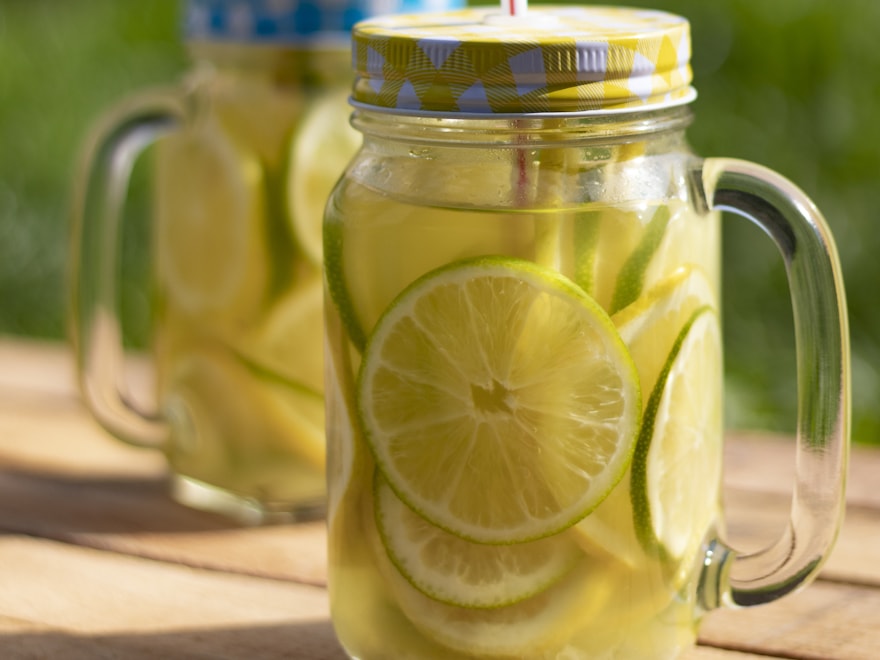
Beverage glass · Juice and beverage bottles
Flint glass, because juice sells on colour. One cap across the range. Your process settled before the shape.
If you run a cold-press juicery, an HPP line or a beverage co-packer, you buy this glass on one cap, and it comes off our flint lines in Shandong. The French square ladder lands where a US juice shelf sits: 240, 360 and 475 ml are your 8, 12 and 16 oz. How you preserve the juice decides the bottle, so that question comes first in every quotation.
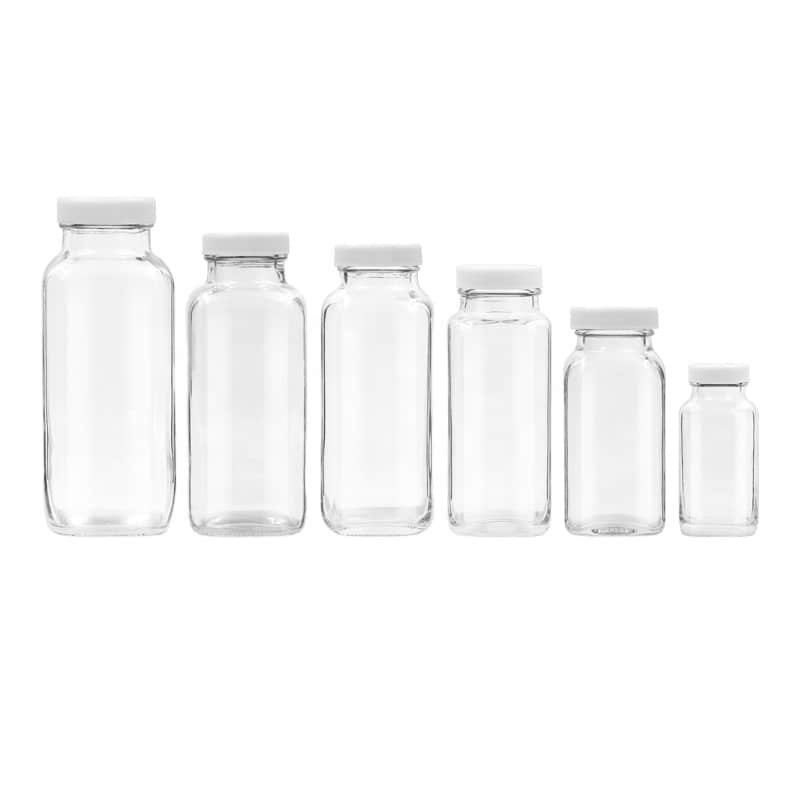
Six running-mould bodies in flint glass, all on one aluminium cap. Two run full ladders, so your 240 ml shot and your 475 ml bottle share a shelf identity and a capping head. We quote wholesale per body and per quantity.


No running-mould body carries that shape at that size. Your quotation can still cover it, because the aluminium finish is common across this range.

Juice is settled by how you preserve it, and the bottle follows from that. Three things reach you in writing before a deposit.
What is at stake
High pressure processing needs a package that flexes as the pressure comes on, and rigid glass cannot do it for you. Build your shelf life around HPP and then specify glass, and you have a supply problem instead of a packaging preference. Your chilled fresh juice and your pasteurised juice both suit glass, on very different shelf lives.
What we supply
The preservation route belongs in your first message, because it decides whether glass is the right container at all and, if it is, how much headspace and what closure the fill needs. Where your line pasteurises, the annealing and the finish get specified against that heat.

What has to match
Chilled juice sits in a fridge your customer opens and closes, and your retailer will ask how a shopper tells an opened bottle from a sealed one. An aluminium cap rolled onto the finish answers that; a cap that merely screws on does not, and you cannot see the difference in a photograph.
What we supply
Every body runs a common aluminium screw finish, so one cap stock covers your whole range. Your quotation carries the finish drawing and states the liner and the tamper band, for your closure supplier and your retailer's technical team to sign off.
What is at stake
A green juice and a carrot juice are bought with the eyes, and flint glass is the clearest soda-lime you can put them behind. It also shows everything else you would rather hide: separation, sediment, a fill line that varies bottle to bottle. Clear glass is a commitment to your own consistency.
What we supply
The range is flint throughout. Brimful capacity is verified by water-fill weight on every run, so your fill line lands on the same shoulder every time and a shelf of your bottles reads as one batch.
One closure family runs across every body here, which keeps your multi-size range on a single cap stock.
Your quotation states the cap, the liner and the finish they seal against, so your closure supplier or ours signs off before any stock is committed.
Bulk terms from the glassworks. No tooling on a running body, 15–20 days from confirmation, bottles sampled with the cap on, and a pallet count printed beside your price.
Pallet or container
A running mould carries no tooling minimum, so your opening order can be a single pallet across a few sizes, on identical terms for private-label juice brands and contract fillers. Cutting steel of your own starts at 12,000 pieces in extra flint, 50,000 in standard flint.
15–20 days
From confirmation on running moulds, glass and caps together. A custom mould adds 30–45 days to your lead time, counted from drawing approval.
On request
Bottles ship with the cap, so your filler can run a trial and your team can see a full bottle before you commit a season. On the custom path, an acrylic model lands in about 10 days at $500, then a sample mould at 35 days puts 5–10 bottles on your desk.
EXW · FOB
Warehousing and consolidation stay in-house, and we quote transit to your port. Your juice bottles travel with milk or swing-top bottles in one container, which is how most opening orders are built.
≈30,000–60,000 per 40HC
By size and export pack: roughly 30,000 of your 500 ml bottles, up to about 60,000 at the small end. Your exact 20GP and 40HC counts arrive with your quotation.

A chilled cabinet is read in two seconds, and your bottle has to do that reading for you. Our Shandong plant frosts, sprays, screen prints, hot stamps, electroplates and labels in-house, so your branded bottle keeps the same 15–20 days as a plain one.
We quote decoration per design, beside the glass. Decoration and labelling in detail →

A drawing, a rival's bottle or a photograph starts the check. Running bodies cover almost any brief you bring, because this trade runs on standard cap stock and a fast relaunch. When a bottle of your own is the point, our mould shop prices the steel in three stages.
A full-size model of your bottle, so shape, shoulder and label panel are signed off before steel is cut.
Real glass from a sample mould: 5–10 bottles with caps fitted, for your filler and your retailer to approve.
Your production tooling runs on the flint lines in Shandong. Minimum 12,000 pieces in extra-flint, 50,000 in standard flint.

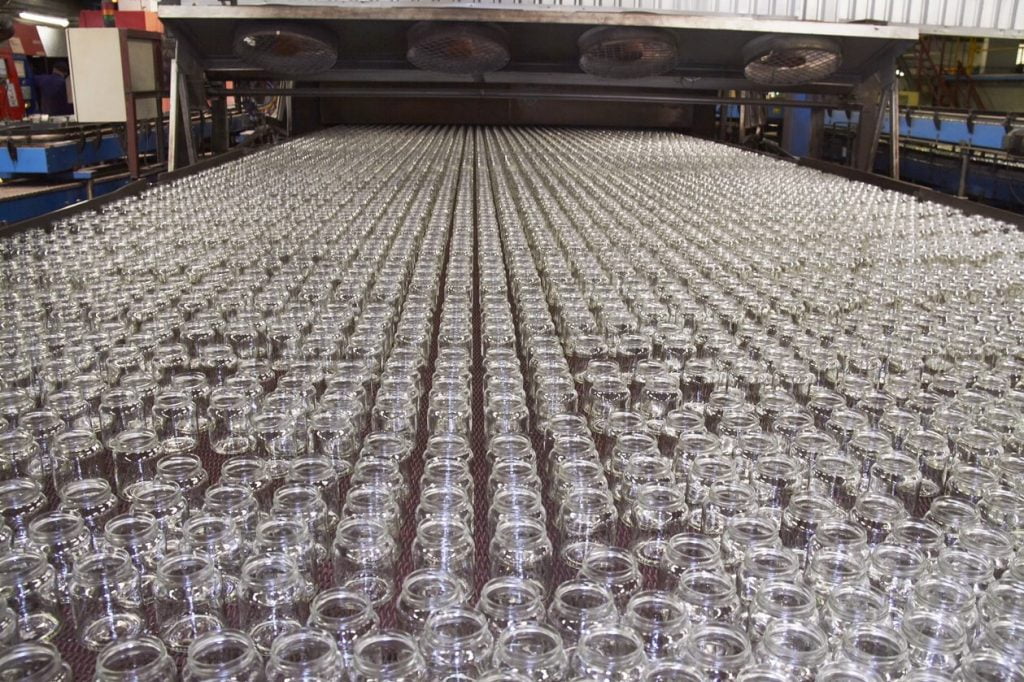
We form your bottles in Shandong, decorate them on the same site and load them with our own warehouse team, so the glass, the cap and the carton come from one supplier. Juice brands in 40+ countries have shipped from these Shandong lines since 2013.
We inspect the neck and sealing surface on every bottle. An aluminium cap forms its thread against the glass, so a finish that runs out of tolerance produces a cap that looks right and leaks in your cold chain.
Brimful capacity verified by water-fill weight on every run, which is what keeps your fill line landing on the same shoulder across a pallet. The mould number in the base traces any drift to its cavity.
Flint melt checked against a retained reference. Juice is bought on colour, so a batch that runs slightly grey changes how your product looks without changing anything about it.
Your shipment carries an EC 1935/2004 declaration of compliance for the EU and UK, food-contact documentation to FDA requirements for the United States, and ISO 9001. SGS test reports and third-party pre-shipment inspection come on request.
HPP, cap stock and the 8, 12 and 16 oz steps, so your process is settled before the shape is.
High pressure processing needs a package that flexes as the pressure comes on, and rigid glass will not do it for you. Glass suits chilled fresh juice and pasteurised juice, on different shelf lives. Telling us the preservation route in your first message saves a sample round, because it decides the closure and the headspace as well as the bottle.
About 475 ml, and it runs on the French square ladder alongside 240, 280, 360 and 400 ml, so your 8 oz shot and your 16 oz bottle share one shelf identity and one cap.
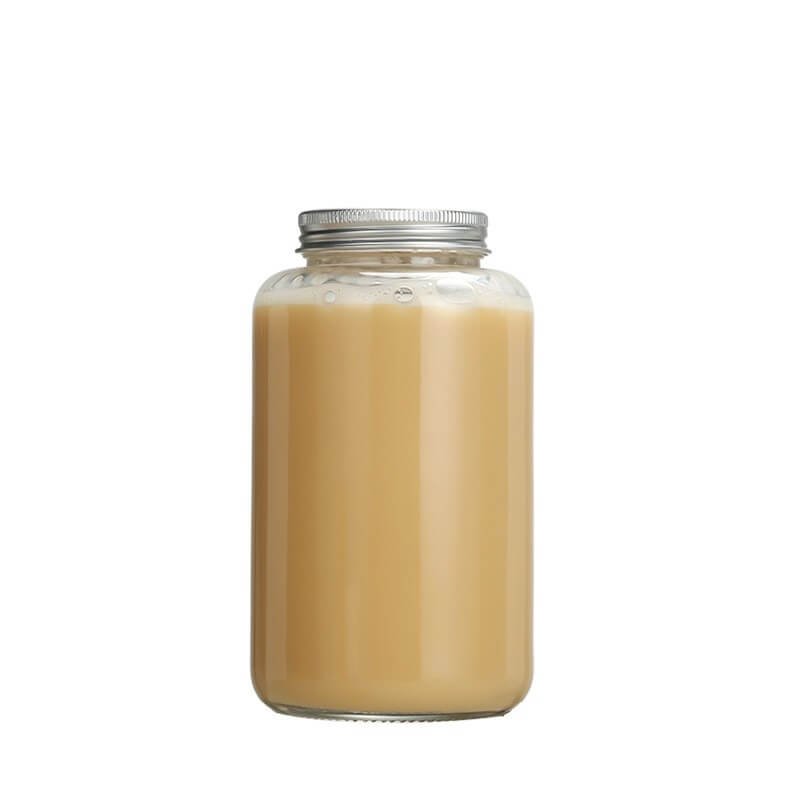
Yes, and the French square ladder is built on exactly those steps: 240 ml lands on 8 oz, 360 ml on 12 oz and 475 ml on 16 oz. The wide round and carafe bodies run 250, 350 and 500 ml if your market is metric. Every one takes the same aluminium cap, so your mixed shelf runs on one cap stock.
A manufacturer. Your bottles come off the flint lines in Shandong, one of MAIDAO's two production sites, and SGSBOTTLE is the export brand that quotes and ships them to you. Nobody buys the glass in and marks it up on the way to you.
Every body runs a common aluminium screw finish, so your multi-size listing needs one cap stock and one capping head. Your quotation carries the finish drawing for each design so your closure supplier can confirm it.
There is no tooling minimum on the running-mould bodies, so your opening order can be a single pallet across a few sizes. Cutting steel of your own starts at 12,000 pieces in extra flint, or 50,000 in standard flint.
Flint is the highest-clarity soda-lime available, and juice is bought with the eyes. Your green juice or carrot juice behind flint reads as the colour it actually is. Flint also shows separation and fill variation, so it rewards a consistent line.
Yes. Your order ships with food-contact documentation to FDA requirements for the United States and an EC 1935/2004 declaration of compliance for the EU and UK, and SGS test reports come on request.
Pasteurising is normal on a juice line, and we anneal your bottles for it. Where your process runs at the top of the range, say so at enquiry, because the answer changes by design and the finish specification changes with it.
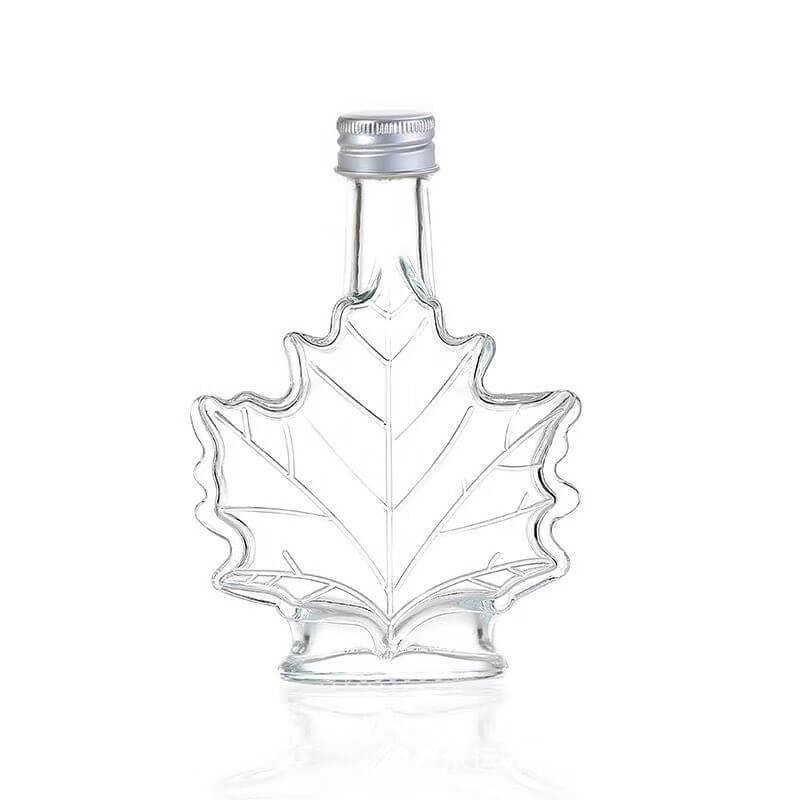
Yes. The French square ladder starts at 240 ml and the moulded maple-leaf bottle runs 50 ml and 100 ml, which covers your shots, samples and gift packs in the same container as your larger sizes.
A size, a process or the bottle you fill today is enough to start. Our beverage desk answers with pricing, drawings and loading data inside 24 hours.
Matching running-mould bottles, pricing and loading data come back within 24 hours.
The running moulds that fit get found before anyone talks about tooling.