

Three systems close almost every drinks bottle, and each one is a different piece of glass. Choosing between them is not a finishing decision you make late; it changes the mould, the line and what your customer does on the second pour.
The 3 Cork, ROPP and Crown Systems
| Cork and bar-top | ROPP screw | Crown | |
|---|---|---|---|
| How it seals | Compression: a shank presses outward inside a plain bore. | A liner on the sealing surface, with a thread rolled onto the glass. | A crimped skirt folding under a lip, with a liner on top. |
| The finish it needs | Cork mouth to EN 12726, or a bar-top neck to Cetie GME 51.00. | BVS or ROPP, such as 28x44, 30x60 or 31.5x60. | 26 H 180 or the shallow 26 H 126. |
| Reseal | Yes, and part of the ritual. | Yes, and repeatable. | No, without a separate re-capper. |
| Pressure | Only with a cage, as on sparkling wine. | Not suited to a pressurised fill. | The system built for pressure. |
| Tamper evidence | A capsule or shrink sleeve over the top. | A band tucked under the locking ring. | The crown itself, which cannot be replaced by hand. |
| Line speed | Slower, and gentler on your glass. | Fast, once the head is set for the finish. | Fastest of the three. |
Cork and Bar-Top: Compression and Ritual
Nothing about a cork mouth is mechanical. Your shank goes in oversize and pushes back against the glass, so the bore and its tolerance decide the whole performance: too wide and the stopper lifts in transit, too tight and the head shears off at the glue line.
The trade splits into two. A driven cork under a capsule, on an 18.5 mm bore under EN 12726, is the wine format. A T-shaped bar-top stopper, in 27, 29 or 34 mm necks under Cetie GME 51.00, is the spirits format, and it is designed to come out and go back many times.
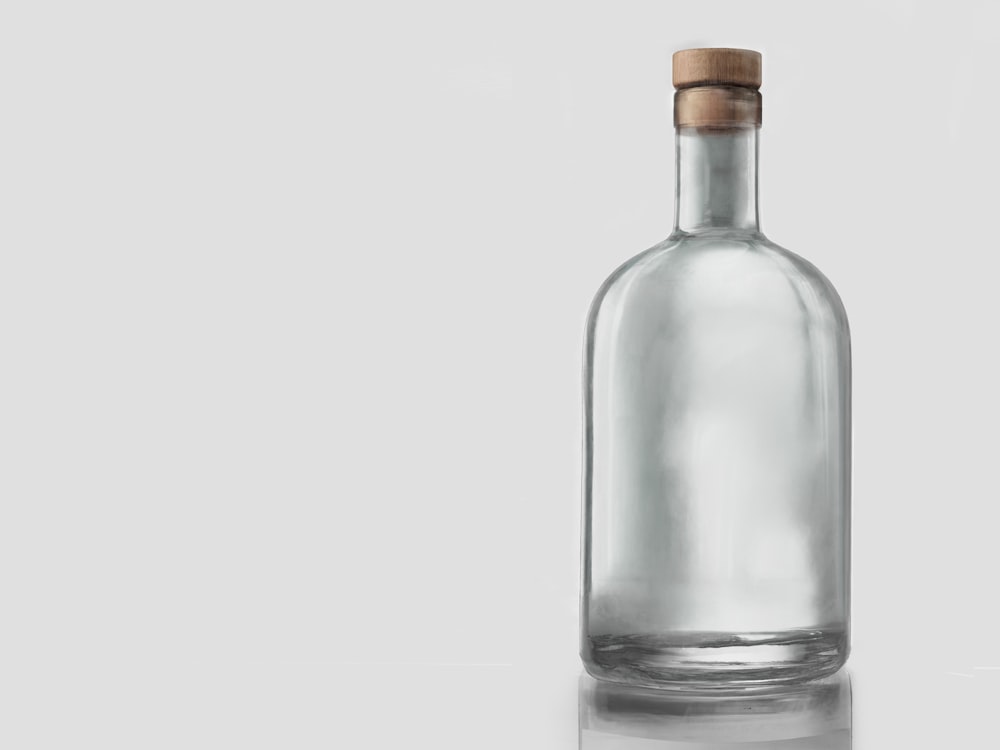 Compression does the sealing, so your bore tolerance is the specification that matters.
ROPP: A Thread Your Own Line Makes
A roll-on pilfer-proof cap arrives as a plain aluminium shell. Rollers on your capping head press its skirt into the glass thread while a knife-edge tucks the bottom under a locking ring, all in the same second. The thread does not exist until your line makes it.
That gives you tamper evidence built into the closure and a reseal your customer can repeat. It also puts every dimension of the neck under load during capping, and it needs your bottle to stay round: the BVS 30x60 figures allow ± 0.4 mm of ovality on a single bottle at the bottom of the skirt.
Crown: Crimped, Cheap and Built for Pressure
A crown is the simplest of the three and the only one made for carbonation. The 26 mm finish is identical across the industry, so your capper does not change when your glass supplier does. SGSBOTTLE crowns run on the 7 lines in Shandong, and the cap costs a fraction of a ROPP shell or a bar-top stopper.
Its limit is reseal. Once crimped and levered off, a crown is finished, which suits a single-serve 330 ml (11 oz) format and rules it out for anything your customer pours over several sittings. Sparkling wine works around that with a crown during secondary fermentation and a cork with a cage for sale.
What Actually Decides Your Closure
Four questions, in order. Does your fill carry pressure, which points at a crown or a caged cork. Does your customer reclose, which rules a crown out. What line do you already run, since a ROPP head and a corker are different machines. And what does the closure say about your price bracket, because a stopper, a rolled cap and a crown sit in three different places on a shelf.
SGSBOTTLE forms cork-mouth, bar-top, ROPP and crown finishes in Shandong, in formats from 200 ml to 1 L (6.8 to 34 oz), and the finish drawing travels with every quotation.
What Goes on Your Enquiry
The closure system your line runs, the fill and its carbonation, the format in ml and oz, and whether a capsule or sleeve goes over the top. SGSBOTTLE engineers come back with the designs cut for that system and the drawing your closure supplier checks.