
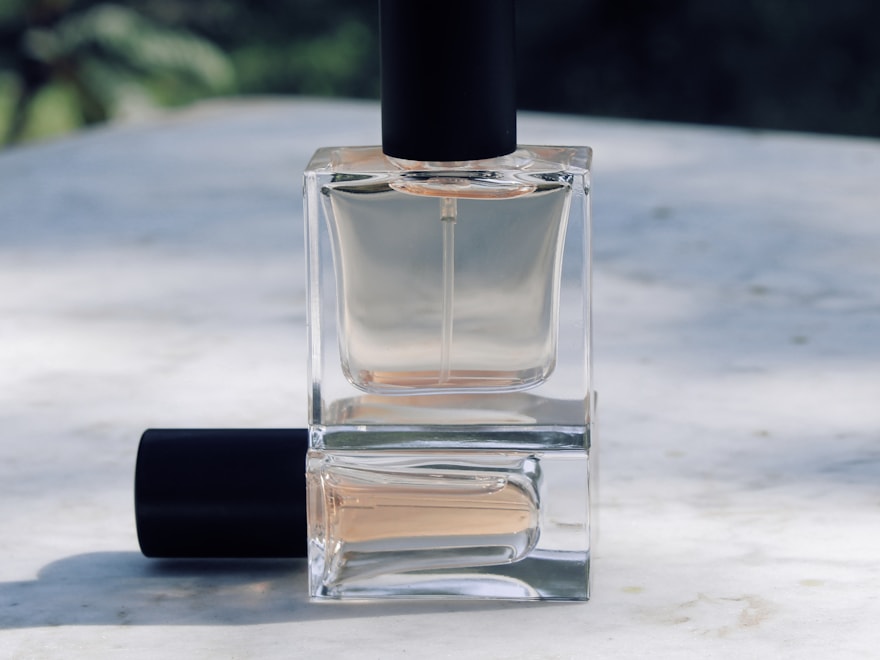
Fragrance is the one category where the pump is chosen before the bottle. A spray pump, its collar and its overcap arrive from a dispensing supplier as one assembly, and the glass has to present exactly the neck that assembly clamps onto. FEA is the naming system for that neck.
What FEA Names
FEA comes from the French flacon and atomiser trade, and the number is the collar diameter in millimetres. FEA 13, 15, 17, 18 and 20 are the sizes in common supply. The glass carries a plain neck with a bead under the sealing surface; the pump's metal or plastic collar slides over that bead and a crimping tool closes it, which is why a crimped fragrance pump never comes off in your customer's hands.
Your format usually decides the size. Miniatures and travel sprays sit on FEA 13 and 15, most flacons from 10 ml to 50 ml (0.3 to 1.7 oz) on FEA 15, and larger bottles from around 75 ml (2.5 oz) on FEA 18 or 20. A larger collar also carries a larger pump, and pump makers quote roughly 0.075 to 0.1 ml per actuation on FEA 15 against 0.1 to 0.15 ml on FEA 18 and 20.
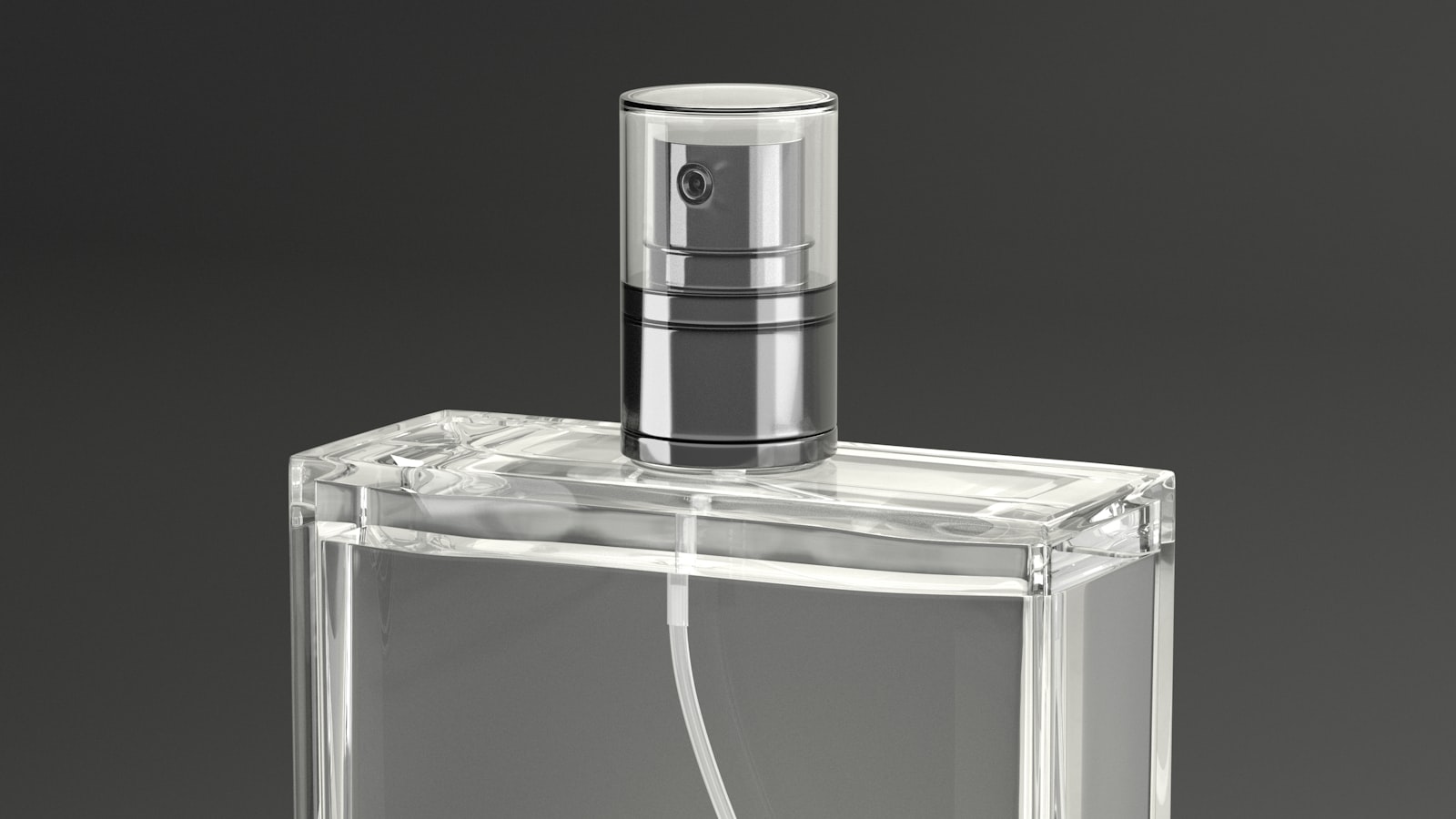 The bead under the sealing surface is what your collar clamps onto, and it is formed by the neck ring before the body is blown.
Crimp, Screw and the Alternatives
| Neck type | How your pump attaches | Where you meet it |
|---|---|---|
| Crimp (FEA) | A collar slides over the bead and a tool crimps it closed, permanently. | Retail fragrance in 13, 15, 17, 18 and 20 mm. |
| Screw pump | A threaded collar screws onto a threaded neck, covered by Cetie GME 40.07. | Refillable ranges and markets where a pump gets changed. |
| Snap-on | The pump clips onto a plain neck without a tool, under GME 40.03 and 40.10. | Miniatures, samples and low-cost lines. |
| Stepped FEA | A stepped bead for aerosol-style dispensing, under GME 40.06. | 18 and 20 mm aerosol formats. |
Cetie also publishes sustainable variants: a screw neck without a bead and an interchangeable crimped finish with one, both aimed at refill programmes. Your dispensing supplier tells you which of these its tooling runs, and that answer comes before the glass drawing.
The Figures Your Pump Supplier Asks For
Four, and none of them is the FEA number on its own. The collar size sets the family. The bead diameter and its height decide whether the crimp grips. The bore is what your filling nozzle passes through and what the dip tube hangs in. And the tolerance on all three matters more here than almost anywhere else in glass, because a crimp has one attempt: an oversize bead splits the collar, an undersize one leaves the pump loose.
ISO 12818 covers standard tolerances for flaconnage, and it is the document your drawing points at unless it names tighter figures of its own. SGSBOTTLE runs perfume and diffuser glass on the 7 lines in Shandong, the same super flint lines that form spirits bottles, so your flacon and its clarity come from one site.
Why the Glass Grade Travels With the Neck
A fragrance bottle is bought with the eye before it is used with the hand, and thick glass in a small format shows every trace of iron. Extra-flint is the standard specification for that reason, and a custom mould in it starts at 12,000 pieces against 50,000 in standard flint. Your neck choice and your grade choice therefore land on the same quotation, alongside the decoration that sets your price bracket: frosting, gradient spray, hot stamping and electroplating all run in-house in Shandong.
What Goes on Your Enquiry
The pump assembly you have chosen or its drawing, the format in ml and oz, the glass grade, and the decoration. With those, SGSBOTTLE engineers return the flacons whose neck the assembly fits, with the drawing attached, so your dispensing supplier confirms the crimp on paper before you commit a run.