
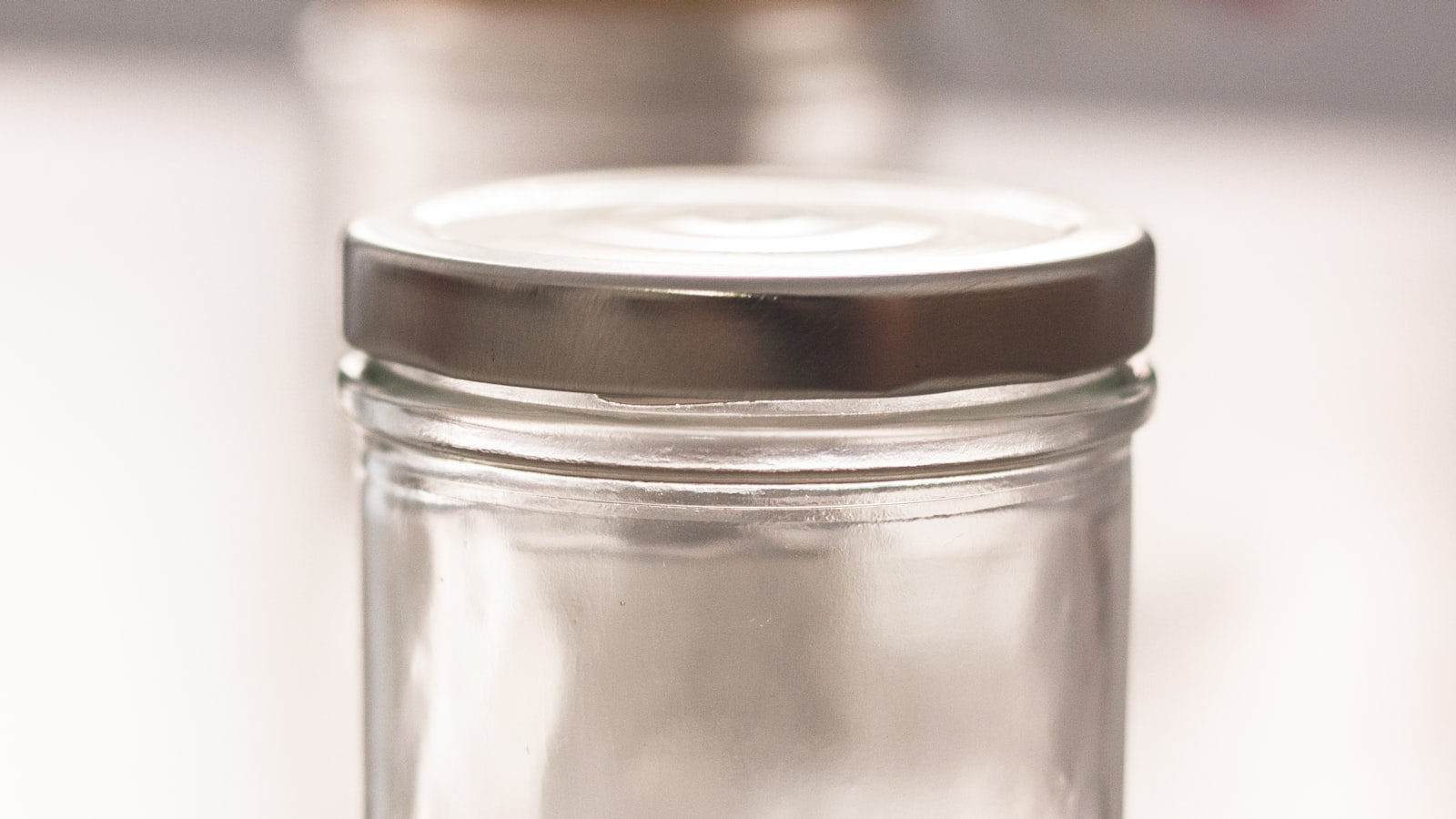
Two closures cover almost every glass jar in food. They look similar on a shelf, they cost about the same, and they behave nothing alike on a filling line. Which one suits you comes down to how your product is filled and how long it has to hold.
The 2 Lug and Continuous-Thread Systems
| Lug (twist-off) | Continuous thread | |
|---|---|---|
| How it engages | Four or six lugs meet matching segments in a quarter turn. | An unbroken thread, one full turn or more. |
| What seals it | A vacuum, formed as your hot fill cools. | A liner, compressed by the torque your capper applies. |
| Best fill | Hot-filled and pasteurised products with a long shelf life. | Cold fills, dry goods and anything your consumer recloses often. |
| Reclose | Adequate, and the vacuum never returns. | Good, and repeatable across many openings. |
| Tamper evidence | The button on the lid, which pops when the vacuum breaks. | A band that tears, moulded into the cap skirt. |
| Standards | ISO 9100, Cetie GME 20, GPI 2030 series. | GPI 400, 410, 415 and 450 series. |
What a Vacuum Buys You
Everything about the lug system depends on that vacuum. Your 250 ml (8 oz) jar takes the product hot, the headspace fills with steam, the cap goes on, and as the jar cools the steam condenses and leaves a partial vacuum. Atmospheric pressure then holds the lid down with far more force than any torque setting.
That gives you two things a screw cap struggles to match: a seal that tightens over time instead of relaxing, and a visible indicator on the lid your consumer trusts. It also gives you a requirement, since the fill has to be hot enough to create the vacuum in the first place.
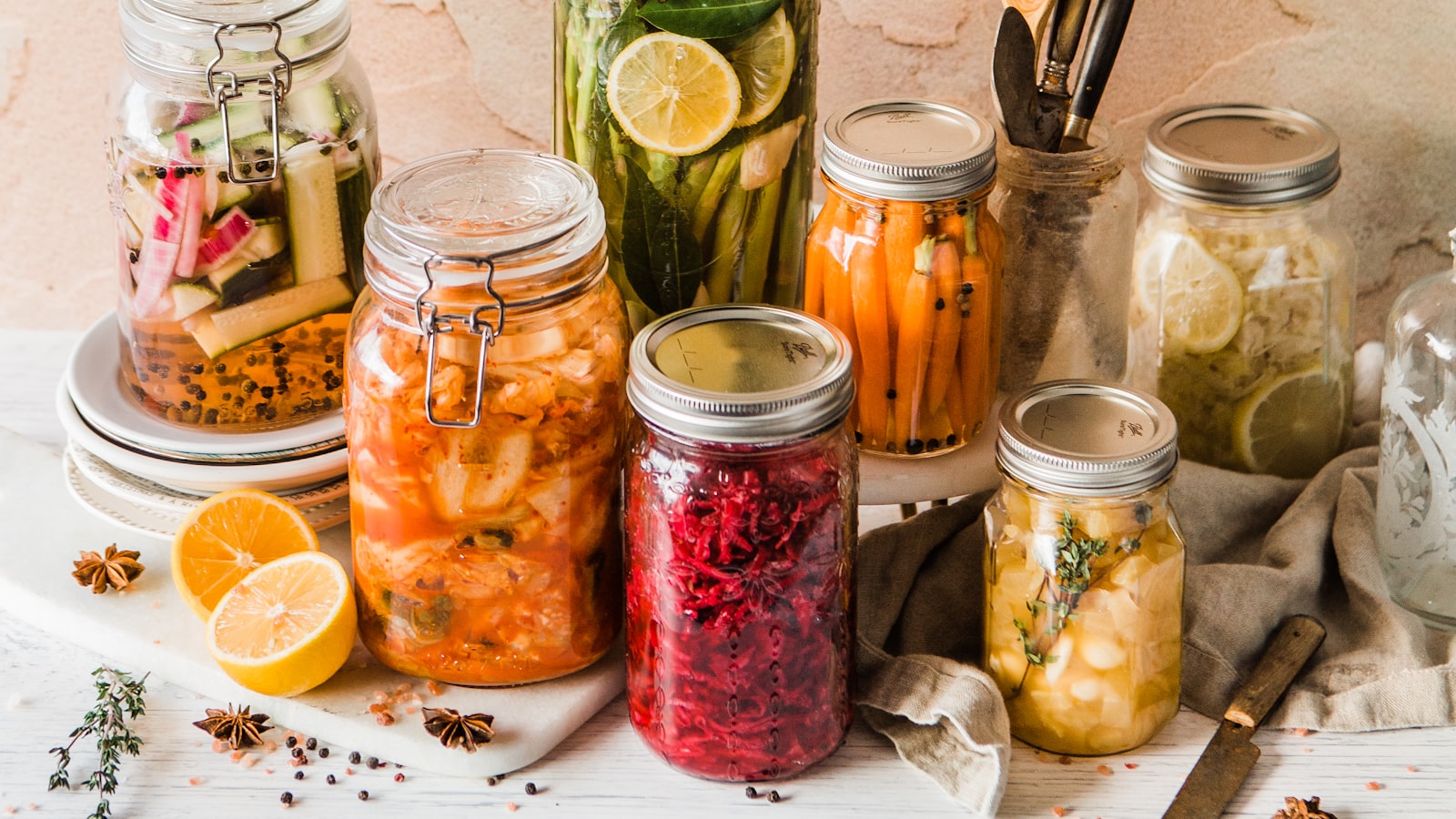 The button on a lug lid is your consumer's evidence, and it only works when the vacuum formed properly.
What a Liner Buys You
A continuous thread puts the work on the liner: foam, pulp-and-foil, plastisol or an induction seal, compressed between your cap and the sealing surface. That is a mechanical seal, and it works whether your fill is hot, cold or dry.
The flexibility is the point. A cold-filled sauce, a dry spice, a powder, a supplement and a cosmetic cream all sit happily on a 400 or 410 finish, and none of them could form a vacuum. Reclose is better too, because the thread engages the same way on the tenth opening as the first.
Where Your Line Decides
Capping equipment rarely runs both. A lug capper places and turns a metal cap a quarter turn under vacuum or steam injection; a screw capper spins a cap to a torque setting. Changing between them is a machine decision rather than a change part, so most fillers pick one system and stay with it.
Your cap supply follows the same logic. SGSBOTTLE forms all three sizes on 14 lines in Shandong and Xuzhou. Lug caps in 58, 63 and 70 mm are stocked everywhere in the food trade, and screw caps in 38, 43 and 53 mm are stocked everywhere else. Availability in your own market is worth confirming before a finish is specified.
What Each System Costs You
Neither is dramatically cheaper. Metal lug caps carry a printed lid and a compound; plastic screw caps carry a liner. Where costs really differ is in the failure modes: a lug jar that never formed a vacuum is a returned pallet, and a screw cap with the wrong liner leaks slowly enough that you learn about it from your customer.
SGSBOTTLE forms both finishes across 14 lines in Shandong and Xuzhou, and inspects the sealing surface of every jar before packing, because both systems fail at the same place.
What Goes on Your Enquiry
The fill and its temperature, the shelf life, the cap you already stock, and the capping system on your line. SGSBOTTLE engineers return the jars whose finish drawing that cap fits, in sizes from 45 ml to 1 L (1.5 to 34 oz), with the drawing attached.