
A vacuum jar does not seal when you tighten the lid. It seals over the next few minutes, while the jar cools and physics does the work, which is why a line that closes jars correctly can still lose the seal.
The 4 Steps That Make Your Seal
| Step | What happens | What can go wrong for you |
|---|---|---|
| Hot fill or steam flush | Product and vapour drive air out of the headspace. | A cool fill leaves air behind, so no vacuum forms later. |
| Closing | The lid seats and the compound meets your sealing surface. | A chip or a crumb on the finish leaves a channel. |
| Cooling | Vapour condenses and the headspace contracts. | Too little headspace gives too small a pressure drop. |
| Locking | Outside air presses the lid down and the button pops. | Handling the jar warm can break the seal before it sets. |
Why the Button Is Your Best Instrument
The dome in a lid panel is a pressure gauge that costs nothing. It sits down while your vacuum holds and springs up the moment air enters, and it works in a warehouse as well as it works in a shop.
Use it as a process check, not only as a customer signal. Sample buttons at the end of the cooling tunnel, and a rising count of unpopped lids tells you about your fill temperature or your headspace long before a complaint arrives.
Where Your Glass Comes Into It
The sealing surface carries everything. A lug or twist-off finish presents a flat ring for the compound, and a chip, a bump or an out-of-round finish leaves a path for air.
Cold-end inspection catches those before they ship. SGSBOTTLE runs sealing-surface checks on all 14 lines in Shandong and Xuzhou, because a finish defect that costs almost nothing to reject in Shandong costs you a batch after filling.
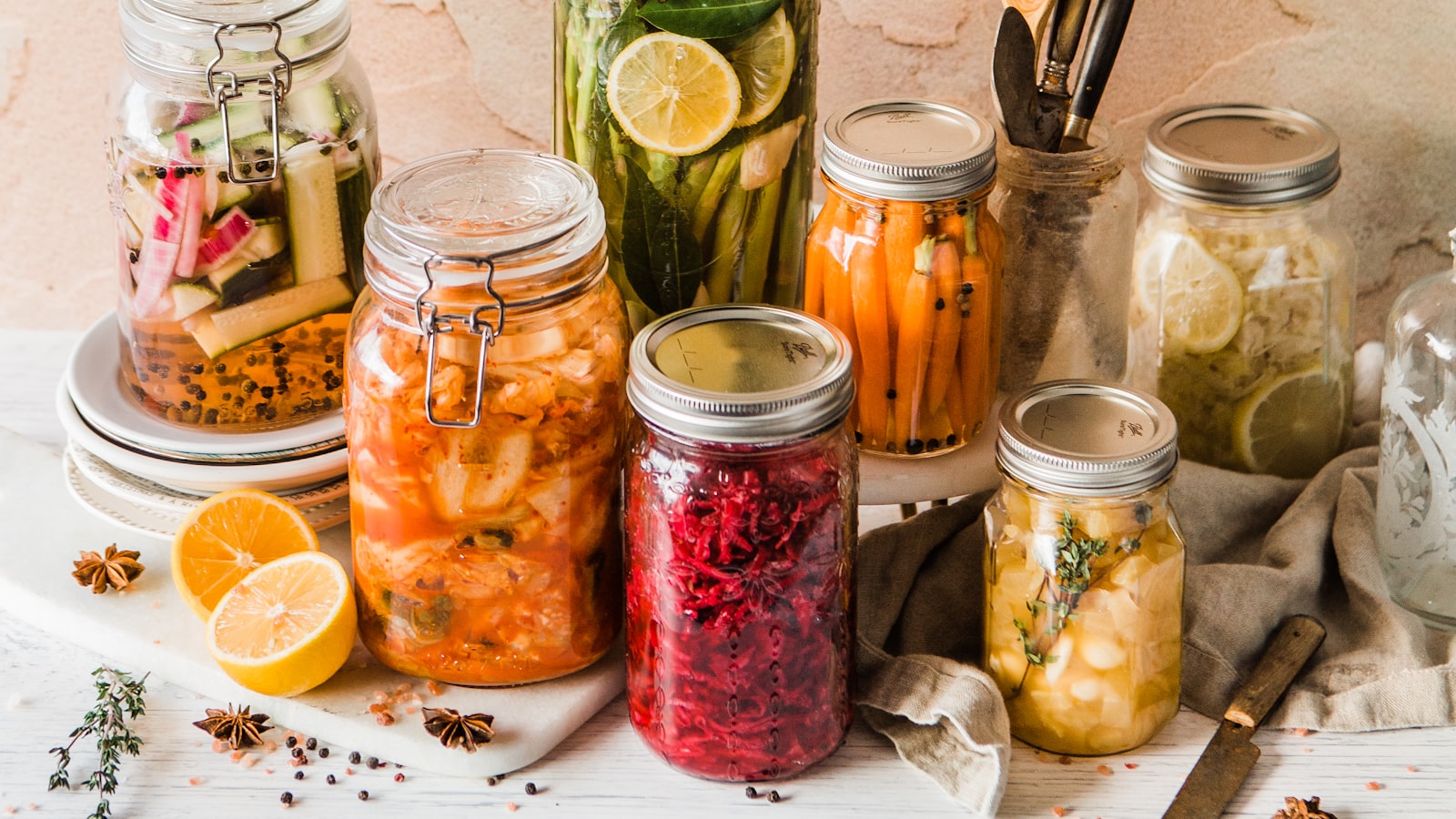 Headspace, fill temperature and a clean finish decide the vacuum. SGSBOTTLE gauges finishes on 14 lines.
The Handling Mistakes That Cost Seals
Three of them account for most losses. Moving jars while still hot, before the vacuum has locked, which lets a knock break the seal it has just formed. Over-tightening, which distorts the lid panel and stops the button reading correctly.
And stacking pressure in transit, where a 330 ml (11 oz) jar under a tall pallet takes a load its lid was never meant to carry. None of those show at the filler, and all of them show at your customer.
What Goes on Your Enquiry
Your product and fill temperature, the format in ml and oz, the lid and compound you use, and your cooling and palletising method. SGSBOTTLE comes back with the finish drawing, the sealing-surface tolerances and jars for a vacuum trial on your own line.