
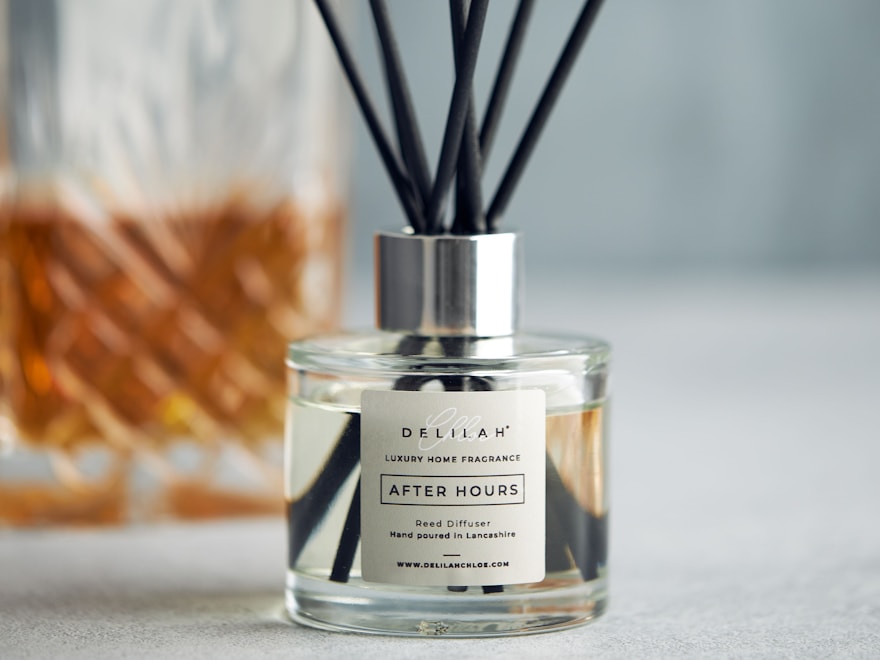
A drawing tells you the dimensions of your bottle. It does not tell you how the bottle feels in a hand, how it looks in a photograph, or whether your marketing team likes it, and those questions decide projects.
The 4 Questions a Prototype Settles
| Question | How the prototype answers it | What it saves you |
|---|---|---|
| Does it feel right? | You hold the real size, weight distribution and grip. | A shape approved on paper that nobody wants to pick up. |
| Does it photograph well? | Clear acrylic shoots close to glass under studio light. | A launch shoot delayed until real bottles exist. |
| Does the label fit? | You wrap your artwork on the actual curve. | A panel found to be too small once the mould is cut. |
| Does it sit on the shelf? | You place it beside competitors at the right height. | A bottle that disappears next to the pack it must beat. |
Why 10 Days Against 35 Changes Your Project
Time is the whole argument. SGSBOTTLE turns an acrylic prototype in about 10 days for $500, while a sample mould takes roughly 35 days and $1,200, and a production mould runs from $1,200 to $2,200.
Those figures make the decision easy. If your shape has any open question, spending 10 days and $500 first protects the 35 days that follow, and it protects your launch date more than either.
What Your Prototype Cannot Do
It is not glass, and that limit matters. Acrylic carries no wall distribution, so it says nothing about strength, pressure resistance or how your bottle behaves in a filler.
Weight is misleading too. A prototype feels lighter than the finished bottle, so judge proportions from it and judge heft from a glass sample later. Nothing about a 750 ml (25 oz) prototype predicts the vertical load your pallet will apply.
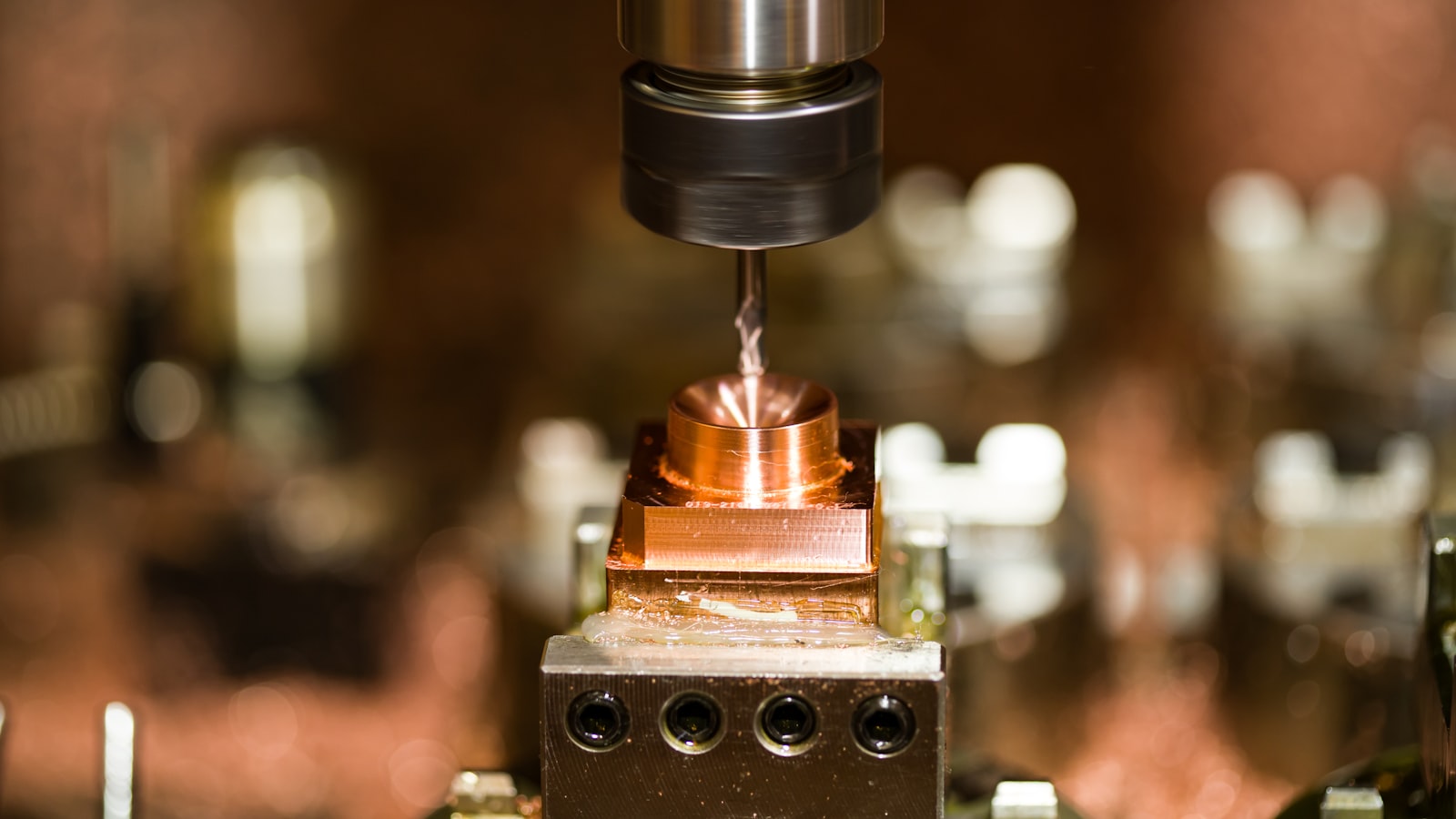 Steel comes after the shape is settled. SGSBOTTLE cuts moulds for 14 lines in Shandong and Xuzhou.
When You Can Skip the Stage
Two cases justify going straight to steel. A design closely based on an existing bottle you already hold, where the shape carries no surprises. And a project where the shape is fixed by a brand system you cannot change anyway.
Everything else benefits. SGSBOTTLE engineers run the prototype stage alongside the drawing, and the 14 lines across Shandong and Xuzhou only see your design once the shape is signed.
How to Get the Most From One
Put it in front of the people who will object later. Your marketing lead, your filler, your label supplier and your key customer all see something a drawing hides.
Photograph it properly, wrap a real label on it, and stand it in a shelf mock-up. A 330 ml (11 oz) prototype that survives all four reviews is a shape you can commit steel to.
What Goes on Your Enquiry
Your sketch or model, the capacity in ml and oz, your target height and the label you plan to use. SGSBOTTLE comes back with the drawing, the prototype and the sample-mould quotation for your project.