
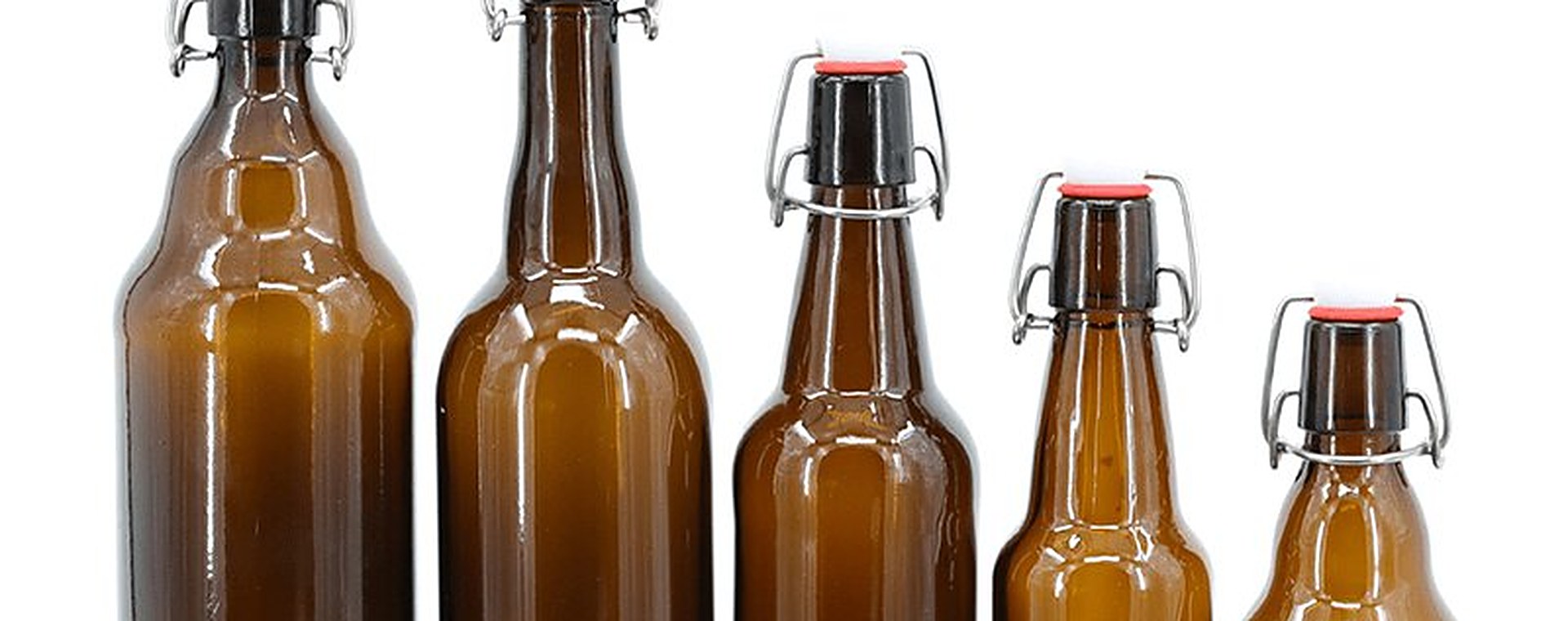
Your acrylic prototype settled the shape. The sample mould settles everything the shape does not, and it does so by making the thing itself in the material your customers will hold.
The 5 Answers Real Glass Gives You
| Question | What the sample shows | Why a model cannot answer it |
|---|---|---|
| Final weight | The glass your design actually needs. | Acrylic carries no wall thickness and no real mass. |
| Wall distribution | Where the glass sits, from shoulder to heel. | Distribution comes from forming, not from geometry. |
| Closure fit | Your cap on your finish, at the right torque. | A machined thread behaves nothing like a formed one. |
| Line behaviour | How your bottle runs on a conveyor and under a capper. | Balance, base flatness and friction only exist in glass. |
| Optical character | How your flint or extra-flint reads under retail light. | Clear acrylic flatters every design equally. |
What the Stage Costs You Against What It Prevents
At SGSBOTTLE a sample mould is $1,200 and takes roughly 35 days, following a $500 acrylic prototype delivered in about 10. Production tooling then runs from $1,200 to $2,200 per mould.
Set that against a production set cut to a design nobody filled first. A wall problem, a closure problem or a line problem discovered after full tooling costs you the tooling and the schedule together, which is why the stage exists.
What to Do With the Samples You Get
Fill them. A bottle that passes on a bench can still fail with product in it, and a 330 ml (11 oz) sample run through your own filler tells you more than any report.
Label them, cap them at your real torque, and hold some through a transit simulation. Then send a few to the customer whose opinion decides the listing, since their reaction is cheaper to learn now than after production.
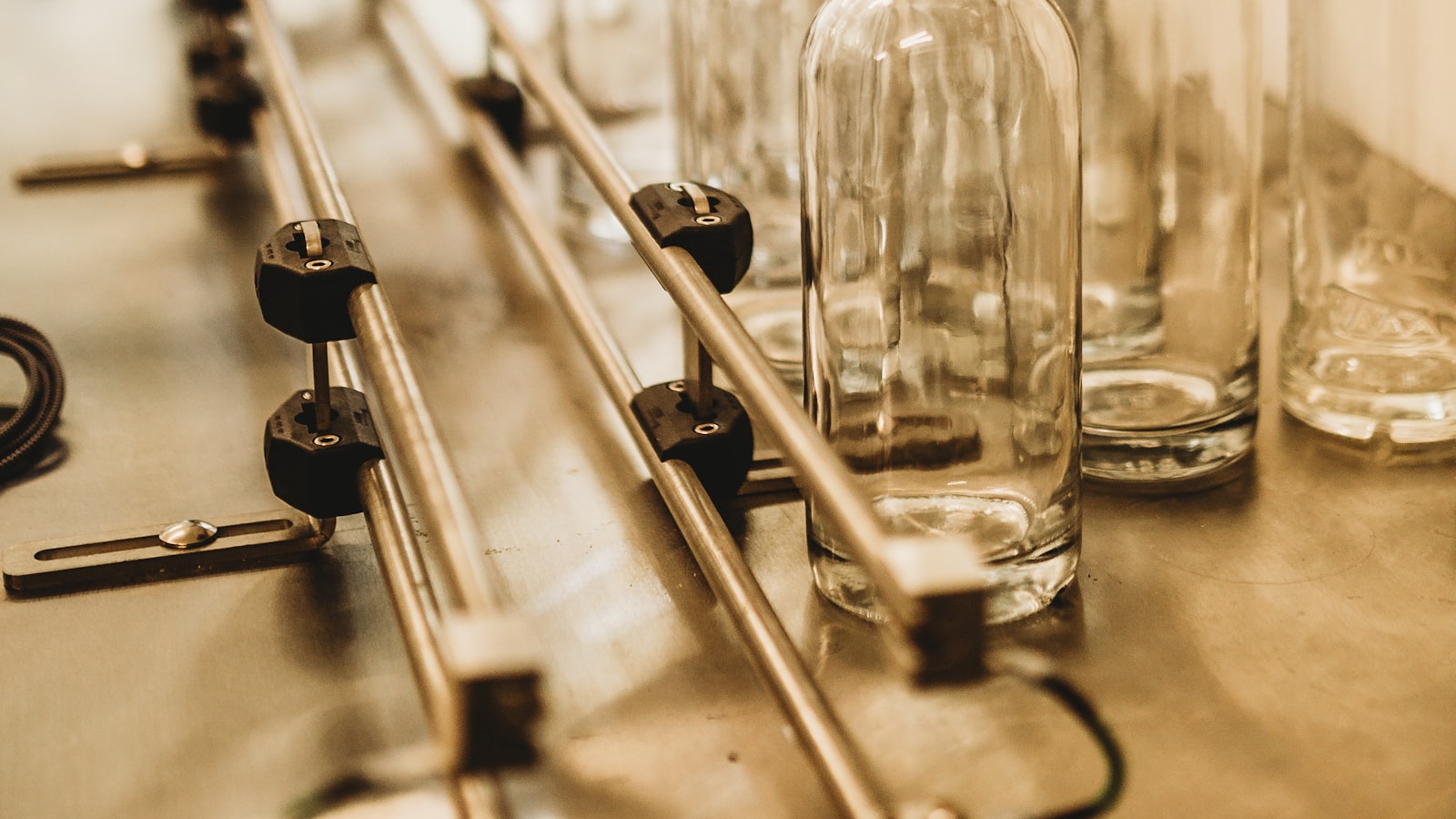 Samples come off the same lines as your order. SGSBOTTLE runs 14 of them in Shandong and Xuzhou.
Why Buyers Try to Skip Your Sample Mould
Two reasons, and both are understandable. Timeline pressure, when a launch date was fixed before the packaging schedule existed. And cost, when the sample looks like a line item with no product attached.
The saving rarely survives contact with reality. SGSBOTTLE engineers treat the sample as the last cheap place to change your mind, and a 750 ml (25 oz) design that skips it carries every unanswered question into production.
What Your Approval Should Cover
Sign off on more than looks. Confirm the weight, the brimful and fill capacity, the wall readings, the closure torque and the label adhesion, and keep one signed sample as the physical reference.
Everything that follows gets measured against that bottle. SGSBOTTLE records the approved figures on the drawing for glass from 14 lines in Shandong and Xuzhou, so your production run has a standard rather than a memory.
What Goes on Your Enquiry
Your approved drawing or prototype, the capacity in ml and oz, your closure and label, and the volume you expect. SGSBOTTLE comes back with the sample-mould quotation, the lead time and the tests it will run on the first glass.