
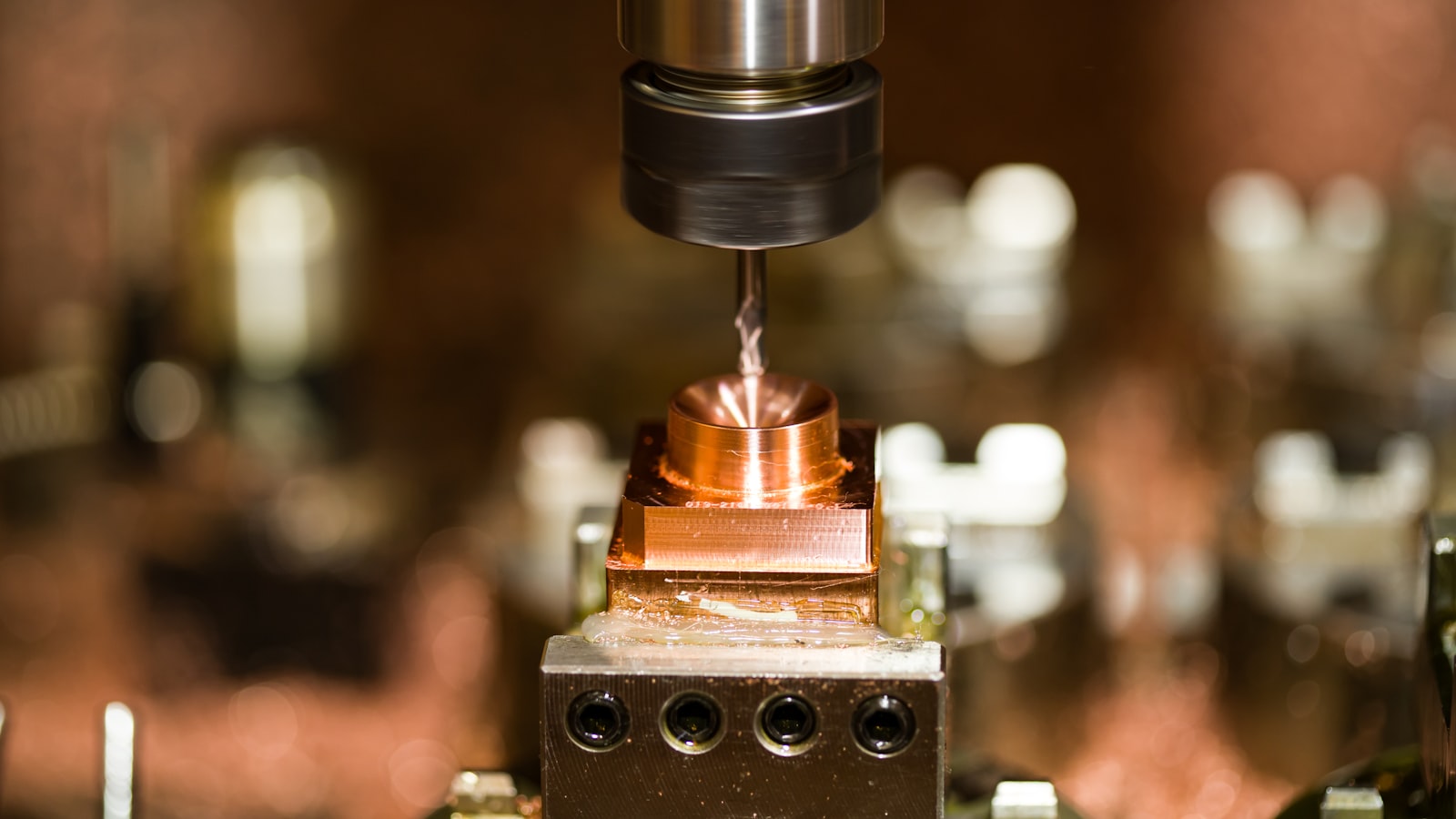
A custom mould is the only way to own a shape, and it is also the most common thing a first-time buyer overspends on. The decision is not really about budget; it is about whether an existing mould can do the job.
What Each Route Costs You
| Stock design | Custom mould | |
|---|---|---|
| Tooling | None. The mould already runs. | $500 acrylic prototype, about $1,200 sample mould, $1,200 to $2,200 production tooling. |
| Minimum | Pallet-scale, and several designs combine in one container. | 12,000 pieces in extra-flint, 50,000 in standard flint. |
| Time to first delivery | Straight to production scheduling. | Prototype, sample mould and approvals before tooling is cut. |
| Differentiation | Shape shared with others; decoration is yours. | Shape nobody else can buy. |
| Risk | Low. Samples come free and the design is proven. | Managed by approving a drawing, a model and decorated samples in turn. |
The 4 Cases Where Stock Cannot Serve
An existing mould covers most briefs, because the trade runs on standard finishes and your customer buys the label. Four things call for steel of your own.
A silhouette outside the existing range, where the shape itself is the brand. A capacity between two existing steps, since a 260 ml jar is a mould and not a variant of the 250, and moving your fill point inside an existing jar usually solves it instead. A different neck finish, because an existing mould cannot be re-cut to another cap. And a glass colour outside the running melts, which is a furnace campaign as well as a mould.
Anything else is usually decoration in disguise.
 Decorated samples off the sample mould are the checkpoint between your artwork and production steel.
Where the Break-Even Actually Sits
Spread tooling across your run and the arithmetic is simple: $2,200 of steel over 12,000 pieces is a few cents a bottle, and over a container-scale order it disappears. The cost that decides it is rarely the tooling.
What decides it is the minimum. A brand selling 8,000 bottles of 500 ml (17 oz) a year cannot absorb a 12,000-piece run without holding a year of stock, and warehousing it costs you more than the mould. Your annual volume, not your tooling budget, is the number to look at first.
The Route Most Brands Take
Launch on stock designs to prove the market, decorate them properly, and tool a custom mould for the SKUs that earn it. Both run in the same factory, so switching later changes nothing about your supply chain, your paperwork or your inspection.
SGSBOTTLE holds 10,000+ stock SKUs across 27 categories in Shandong and Xuzhou, and forms custom tooling on the same 14 lines, so both routes reach you from one supplier and one set of documents.
What You Own Either Way
SGSBOTTLE has run this route with buyers in 40+ countries since 2013. On a custom project the mould is yours: it runs for your orders and for nobody else, SGSBOTTLE maintains it between runs and replaces it free of charge at the end of its service life. Drawings and briefs are handled in confidence, with an NDA on request.
On a stock design you own your decoration, which in practice is what your customer recognises.
What Goes on Your Enquiry
Your annual volume, the shape brief or a reference bottle, the fill and the market. SGSBOTTLE engineers come back with the stock designs that fit the brief and a priced custom route beside them, so the comparison runs on your own numbers.