
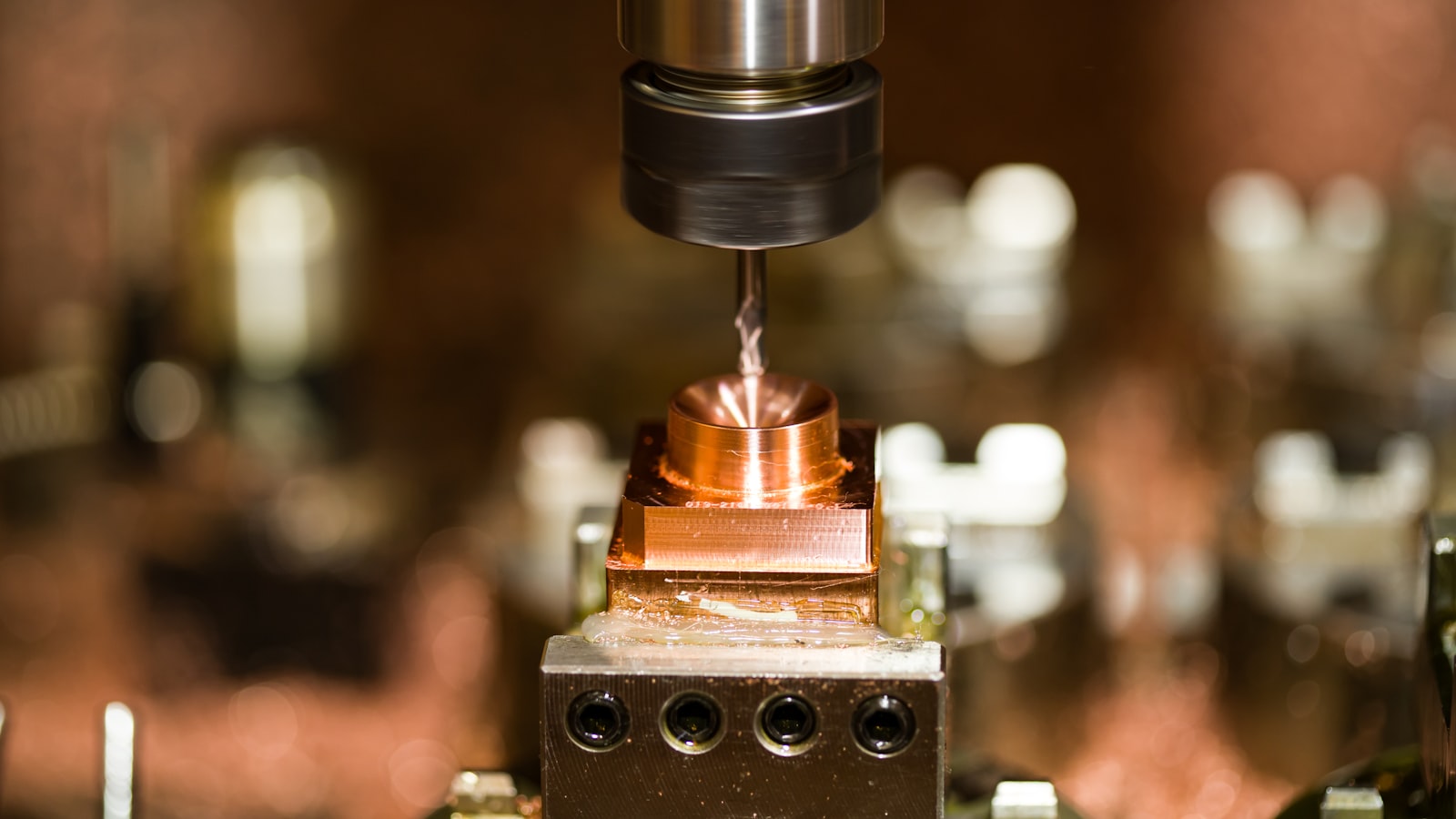
Buyers often expect a single number for a bottle mould. Two designs of the same capacity can sit at opposite ends of the range, and every part of that gap traces back to how long the steel takes.
The 5 Drivers Behind Your Quotation
| Driver | What it adds | How to control it |
|---|---|---|
| Shape complexity | Machining time for corners, punts and asymmetry. | Simplify what nobody notices, keep what your brand needs. |
| Cavity count | One mould per cavity, so cost scales with output. | Match the set to your real annual volume, not to a hope. |
| Finish type | Neck rings for lug, crown, BVS or dropper threads. | Choose a standard designation your closure already fits. |
| Embossing | Engraving and hand finishing of every raised detail. | Concentrate detail in one panel rather than around the body. |
| Glass grade | Extra-flint runs on fewer lines, which changes your minimum. | Confirm the grade before tooling, since it moves the MOQ. |
What the Figures Actually Are
SGSBOTTLE quotes an acrylic prototype at $500 in about 10 days, a sample mould at $1,200 in roughly 35 days, and production moulds from $1,200 to $2,200 each. Those numbers cover the stages in order.
Read them as a sequence rather than as alternatives. Your prototype protects your sample mould, your sample mould protects your production set, and the whole path costs less than one wrong production tool.
Why Cavity Count Is the Biggest Lever
Cost per mould matters less than how many you need. Output scales with cavities, so a design running at volume needs a full set rather than one tool, and that multiplies your tooling line item.
Work backwards from your annual quantity. A modest 500 ml (17 oz) launch needs far fewer cavities than a national listing, and buying a full set before the volume exists ties up money your project needs elsewhere.
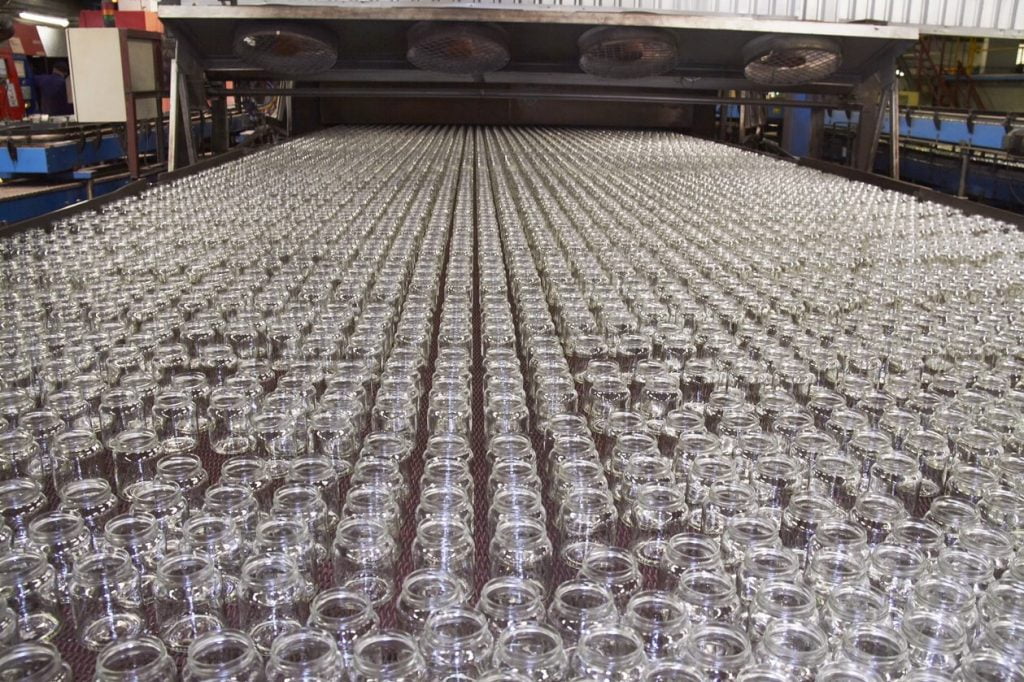 Cavities set your run rate. SGSBOTTLE spreads 14 lines across two sites in Shandong and Xuzhou.
Where the Grade Changes Your Numbers
Super flint glass runs in Shandong on 7 lines, so a custom mould there starts at 12,000 pieces against 50,000 in standard flint. That difference belongs in your decision before tooling, not after.
The grade also affects how your bottle reads. Extra-flint gives you a water-white 750 ml (25 oz) bottle where standard flint shows a faint green in thick sections, and the premium is real but so is the minimum.
Questions to Settle Before You Pay
Four of them. Whether tooling is charged once or amortised into your unit price. Who owns the mould afterwards. How many cavities the quotation covers. And what happens when a cavity wears or breaks during the campaign.
Get all four in writing. SGSBOTTLE states the cavity count and the ownership terms with the quotation, so your project has answers before any steel is committed.
What Goes on Your Enquiry
Your drawing or prototype, the capacity in ml and oz, the finish and closure, your glass grade and your annual volume. SGSBOTTLE comes back with the tooling quotation, the cavity count and the minimum your grade carries.