

Buyers assume that paying for a mould makes it theirs. Ownership, exclusivity, confidentiality and the right to move tooling are four separate promises, and a quotation that mentions none of them has settled none of them.
The 4 Terms and What Each Covers
| Term | What it promises you | What it does not cover |
|---|---|---|
| Ownership | The physical tooling belongs to you once paid. | Whether the factory may run your shape for someone else. |
| Exclusivity | We do not offer your design to another buyer. | Where the mould sits or who may hold it. |
| NDA | Your drawings and plans stay confidential. | Anything about the mould itself or its use. |
| Transfer right | You may move tooling to another plant. | Whether the receiving machine can actually run it. |
Why Ownership Alone Is Not Enough
A mould you own can still sit in a factory that produces your shape for a competitor, unless exclusivity says otherwise. The two terms answer different questions, and buyers routinely ask for the first while meaning the second.
Ask for both explicitly. SGSBOTTLE states that the mould stays your property and quotes exclusivity terms alongside it, for projects running on the 14 lines across Shandong and Xuzhou.
What an NDA Should Cover Before Drawings Move
Sign it before the first file, not after the quotation. By the time a mould shop has your drawing, your design, your capacity and your timing are all in someone else's hands.
Cover three things: your artwork and geometry, your volumes and launch dates, and the fact of the project itself. SGSBOTTLE signs on request before drawings are exchanged, so a 750 ml (25 oz) launch stays confidential while you negotiate.
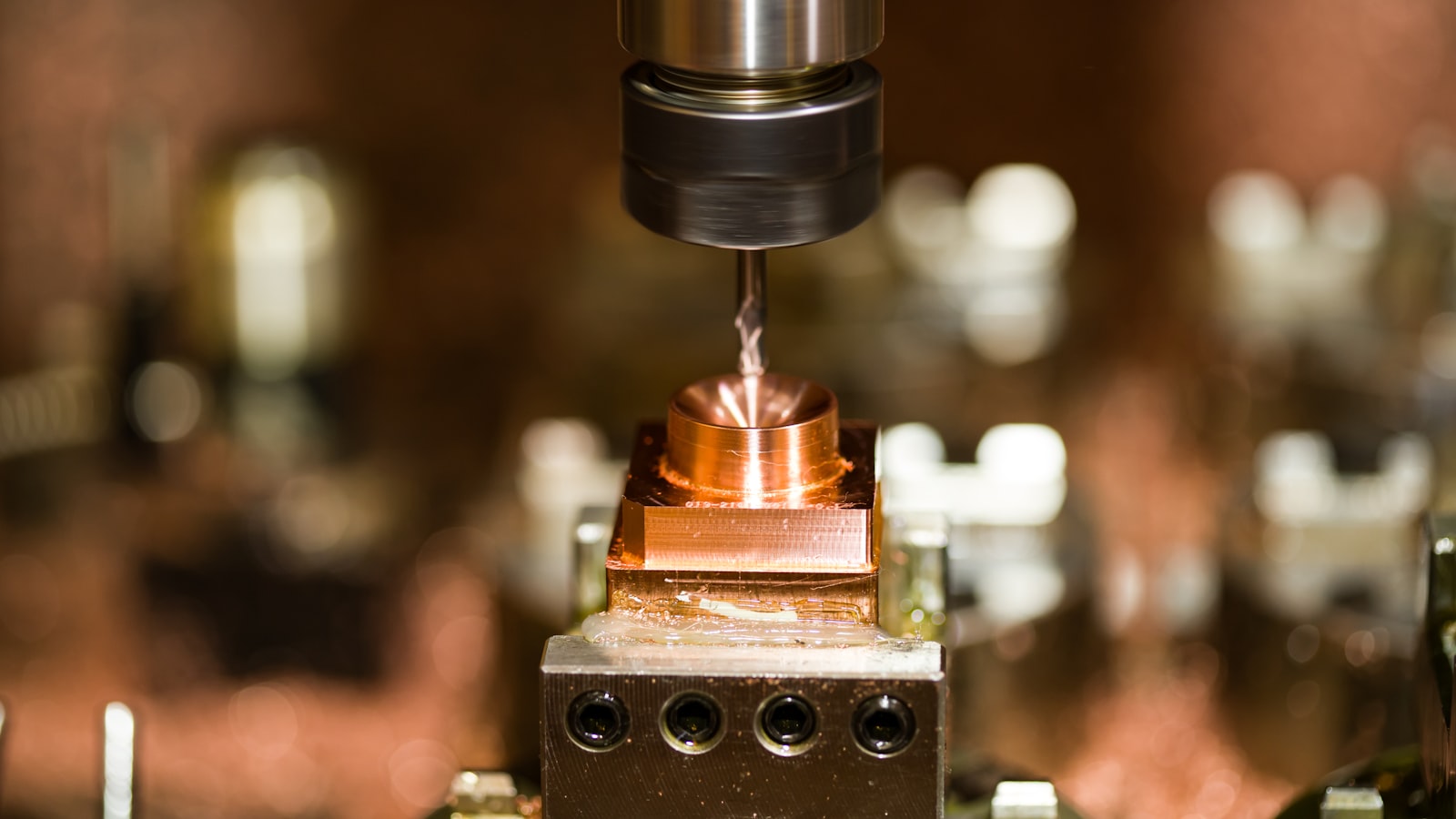 Terms belong in the agreement before the steel moves. SGSBOTTLE tools projects for 14 lines in Shandong and Xuzhou.
The Transfer Question Nobody Asks Early
Moulds are cut for a particular machine type and section spacing. A set that runs perfectly on one line may need rework or replacement on another, so a transfer right can be real on paper and expensive in practice.
Ask what machine your tooling is cut for. Knowing that at the start tells you what a future move would actually involve, rather than discovering it during a supplier change.
What to Get in Writing
Five points cover most disputes. Who owns the tooling and from when. Whether your design is exclusive and for how long. What happens to the mould if you stop ordering.
Then who pays for repair and replacement during the campaign, and whether you may take the tooling elsewhere. A 330 ml (11 oz) project with all five answered has no surprises left in it.
What Goes on Your Enquiry
Your drawing or concept, the capacity in ml and oz, your volumes, and whether you need an NDA before files move. SGSBOTTLE comes back with the tooling quotation, the ownership and exclusivity terms, and the NDA for signature.