
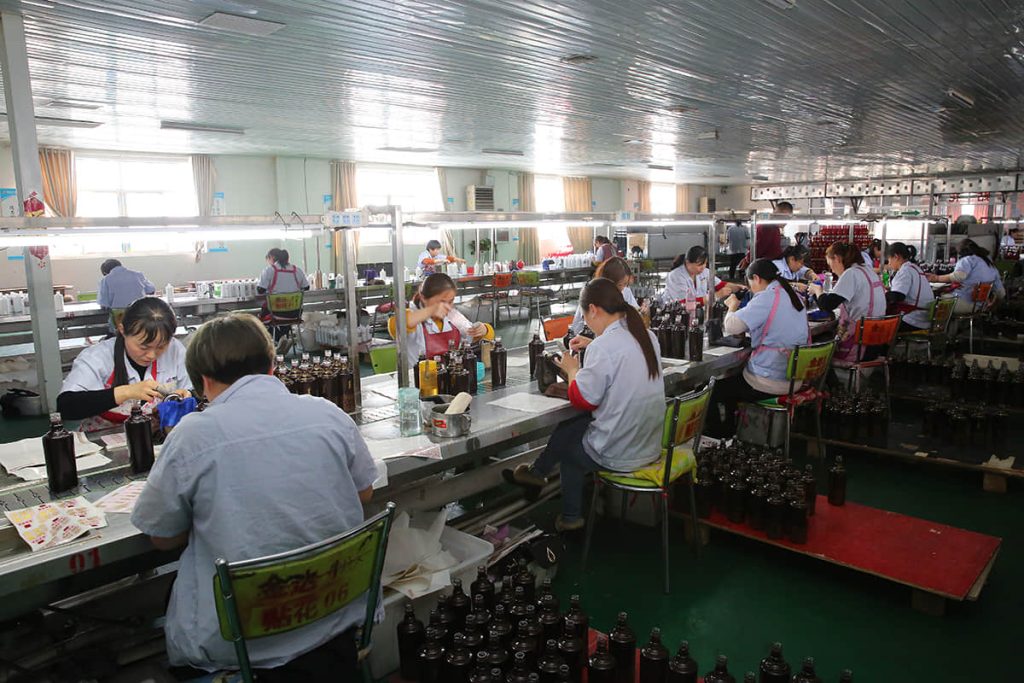
The carbon in your glass bottle comes from three separate places, and only one of them is what most people picture. Knowing which is which tells you where your own decisions change your number and where they do not.
The 3 Sources and What Moves Each
| Source | Where it comes from | What changes it |
|---|---|---|
| Combustion | Fuel burned to hold the furnace at melting heat. | Fuel type, furnace efficiency and cullet in the batch. |
| Process chemistry | Carbon dioxide released as carbonates decompose. | Cullet, which replaces raw soda ash and limestone. |
| Freight | Fuel burned moving a dense product to your market. | Your bottle weight, your load plan and your lane. |
Why Process Emissions Surprise Buyers
Soda ash and limestone give up carbon dioxide as they decompose in your furnace. That release is chemistry rather than combustion, so it happens even where your supplier runs on renewable energy.
Cullet is your only lever against it, because melted glass has already given up its carbon. Every tonne of cullet in your batch displaces raw carbonates and their emissions along with them.
What Fuel and Furnace Design Change
Combustion is the largest single share and the one your factory controls rather than you. Fuel choice, furnace design, oxygen enrichment and electric boost all move it.
SGSBOTTLE moved its furnaces to natural gas in 2016 across the 14 lines in Shandong and Xuzhou, which changed the combustion profile of every bottle formed on the 14 lines since.
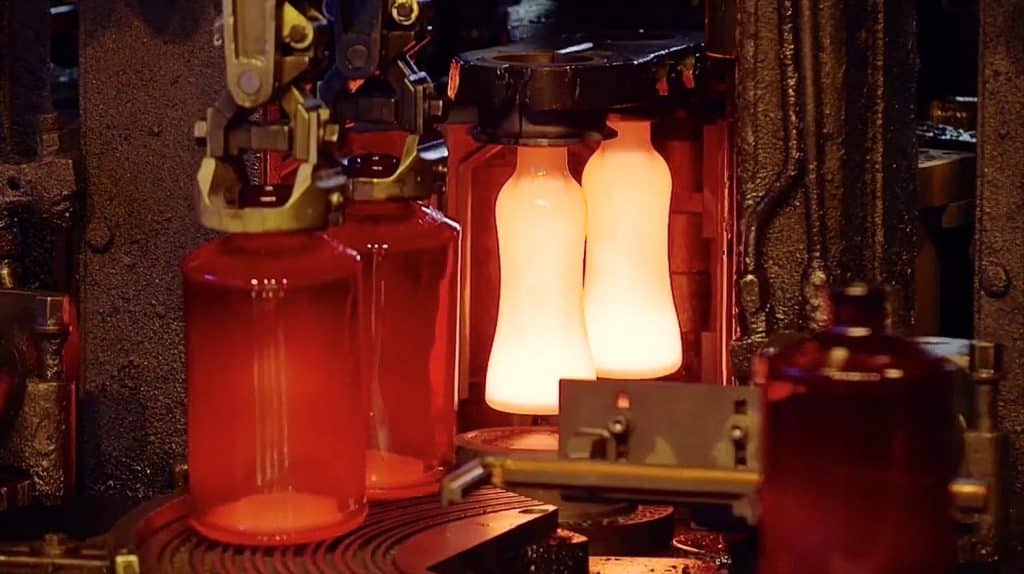 Cullet cuts fuel and chemistry at once. SGSBOTTLE melts it across 14 lines in Shandong and Xuzhou.
Where Freight Sits in the Total
Glass is dense, so moving your product burns more fuel per unit than a light pack does. A long lane can make freight a serious share of your total rather than a rounding error.
Weight is your lever again. A lighter 750 ml (25 oz) bottle carries less glass through the furnace and less mass across the ocean, and the two savings add rather than compete.
The Comparison Question and How to Answer It
Someone will ask you whether glass is worse than the alternatives, and the honest answer depends on boundaries and trips. A single-use comparison flatters light materials; a refill system flatters your glass heavily.
Ask what a study counted before accepting its conclusion. Number of trips, end-of-life treatment and transport distance change the result more than the material choice does.
What This Does Not Replace
Carbon accounting methods differ and factors change. Use this to know where to look, and take your reported figures from your own assessment or your supplier's verified data.
What Goes on Your Enquiry
Your format in ml and oz, your colour, your annual volume, your destination markets and your current bottle weight. SGSBOTTLE comes back with lighter options against the same drawing and the cullet position for your colour.