
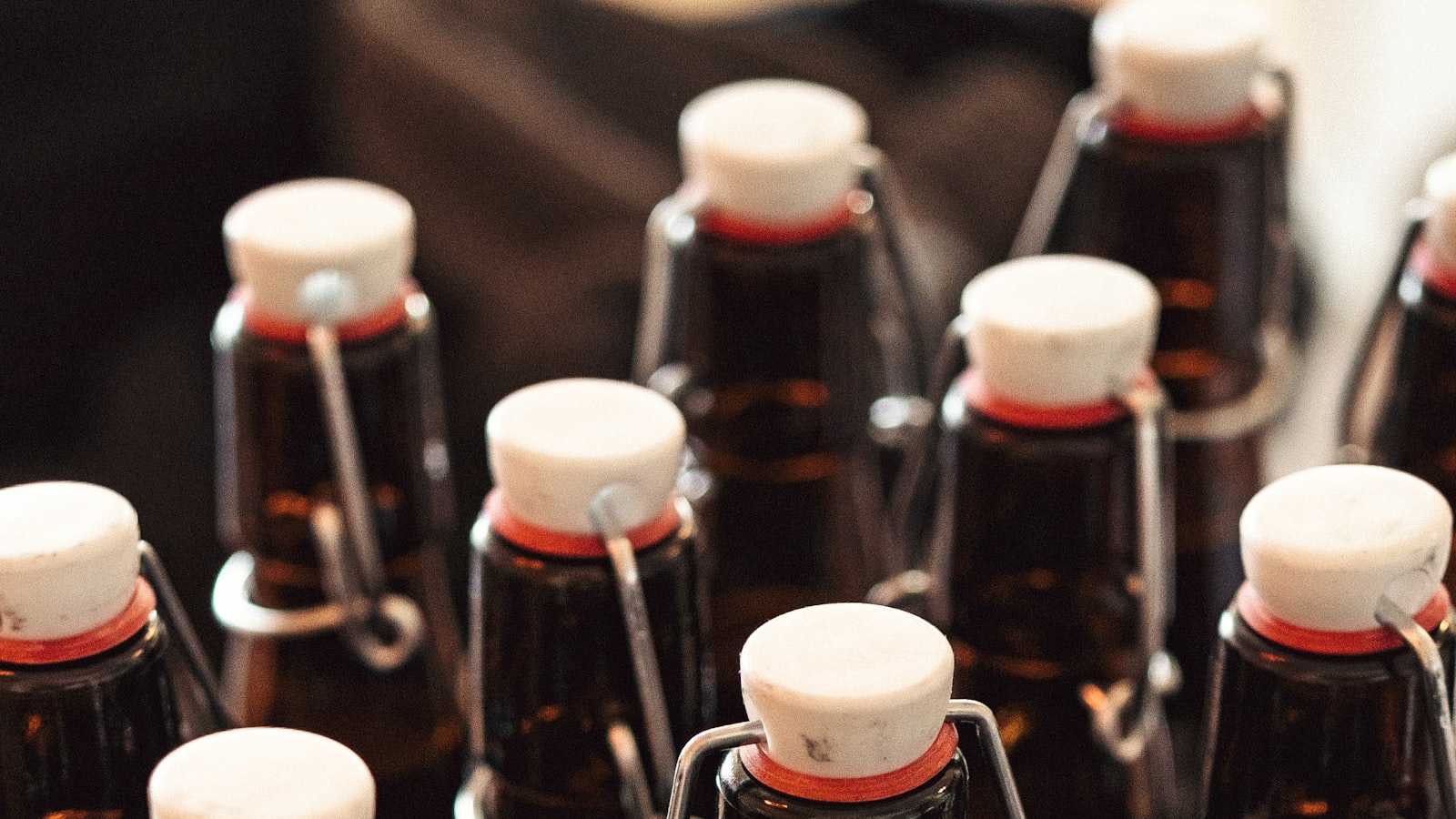
A deposit scheme changes what your bottle is. It stops being packaging your customer discards and becomes an object they are paid to bring back, and that shift reaches the drawing.
The 4 Demands a Scheme Makes
| Demand | What it requires | Where it lands |
|---|---|---|
| Marking | The scheme mark and a registered barcode. | Your label, and the panel that carries it. |
| Recognition | Shape and material a return machine can read. | Your bottle geometry and your label placement. |
| Durability | Survival of return handling and washing. | Your glass weight and your coating, on refillables. |
| Registration | Your product enrolled with the scheme operator. | Your commercial process before launch. |
Why Return Machines Care About Your Shape
A reverse vending machine reads a barcode, weighs the container and checks it against a registered profile. Anything unusual makes that harder.
A distinctive silhouette can still work, and it has to be registered and tested. Fix that before tooling rather than after, since discovering it at launch means either a label change or a new mould for your 330 ml (11 oz) format.
Refillable Bottles Are a Different Design
A one-way bottle survives one trip. A refillable survives many, so it carries more glass at the heel and shoulder, a thicker wall and a coating specified for repeated caustic washing.
That weight is deliberate rather than wasteful. Spread across many trips the glass per fill drops well beneath a one-way bottle, and SGSBOTTLE quotes refillable and one-way weights against the same drawing for glass from 14 lines in Shandong and Xuzhou.
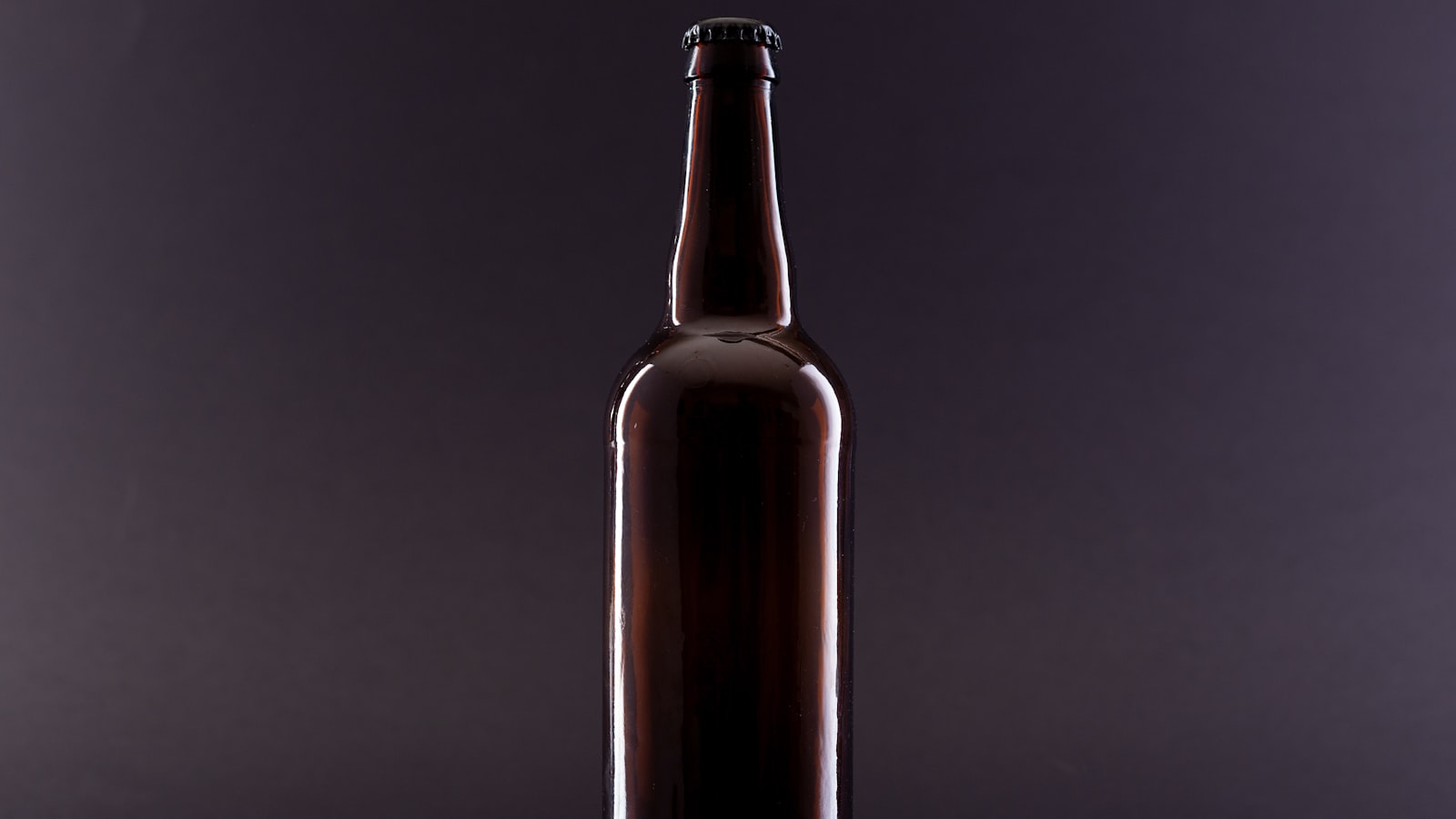 Refillables carry glass where the wear is. SGSBOTTLE runs 14 lines in Shandong and Xuzhou.
What Multiple Schemes Do to Your Artwork
Schemes operate by country and sometimes by state or province, each with its own mark and its own registered barcode. Selling across several means several label versions on one bottle.
Design for that rather than against it. A panel with room for a variable marking block absorbs a new scheme without new tooling, and SGSBOTTLE marks the usable panel and the seams on the drawing so your versions all fit.
Where Coating and Washing Meet
Your cold-end coating protects the surface that carries the load, and a caustic wash removes it. Refill systems recoat bottles between trips for exactly that reason.
Ask what your scheme's washing regime does to a 750 ml (25 oz) bottle over its expected trip count. A design that survives one wash and degrades over ten is a design that fails slowly and expensively.
What Goes on Your Enquiry
Your markets and their schemes, whether the pack is one-way or refillable, the format in ml and oz, your expected trip count, and your label layout. SGSBOTTLE comes back with the weight options, the coating specification and the panel drawing.