
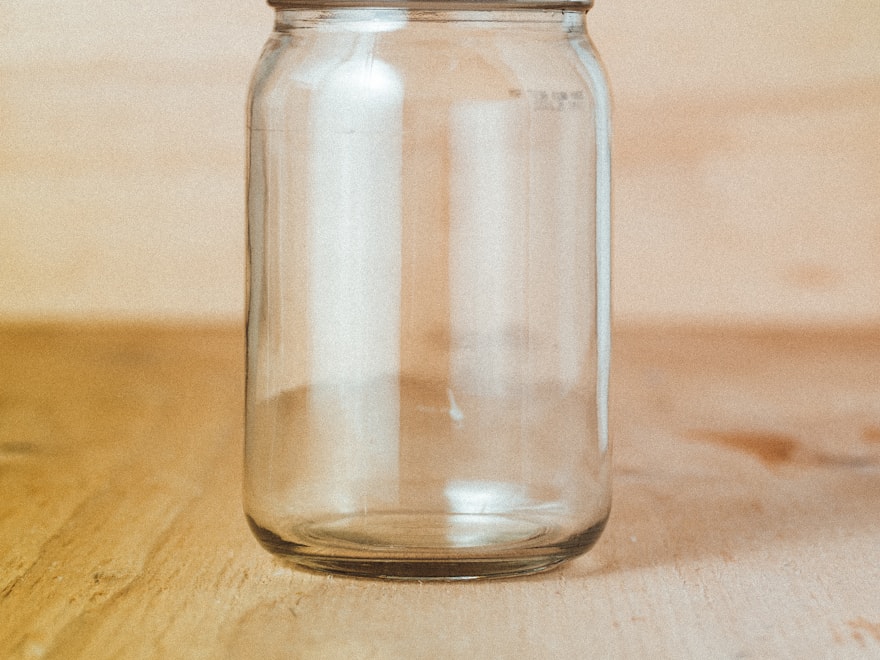
Glass is the material regulators worry about least, and buyers still cannot ship without paperwork. The documents exist to prove what everyone already believes, and your importer will not release a container without them.
The 3 Documents Your Market Will Want
| Document | What it states | Where you need it |
|---|---|---|
| Lead and cadmium test report | Measured leaching from the surface under extraction. | United States, and anywhere decoration touches food. |
| EC 1935/2004 declaration | Compliance of the article as a food-contact material. | European Union, requested at import for your goods. |
| Migration or extraction report | What transfers into a simulant under defined conditions. | Where your product, temperature or decoration raises it. |
Why Plain Glass Passes Your Testing Easily
Soda-lime glass does not react with what you put in it. There is no plasticiser to migrate, no coating to break down and no odour to transfer, which is why glass is the reference material other packaging gets compared against.
That makes the testing straightforward rather than unnecessary. SGSBOTTLE containers carry an SGS test result for US FDA leachable lead and cadmium and an EC 1935/2004 declaration for the EU, for glass from the 14 lines in Shandong and Xuzhou.
Where Decoration Changes the Question
Anything applied to your bottle joins the assessment if it can reach the product. Decoration on the outside of a body panel stays clear, and a fired print near the finish or inside a jar does not.
Ask specifically about the sealing surface. A 330 ml (11 oz) bottle with a print running up to the finish needs the decoration assessed as well as the glass, and the report has to say so.
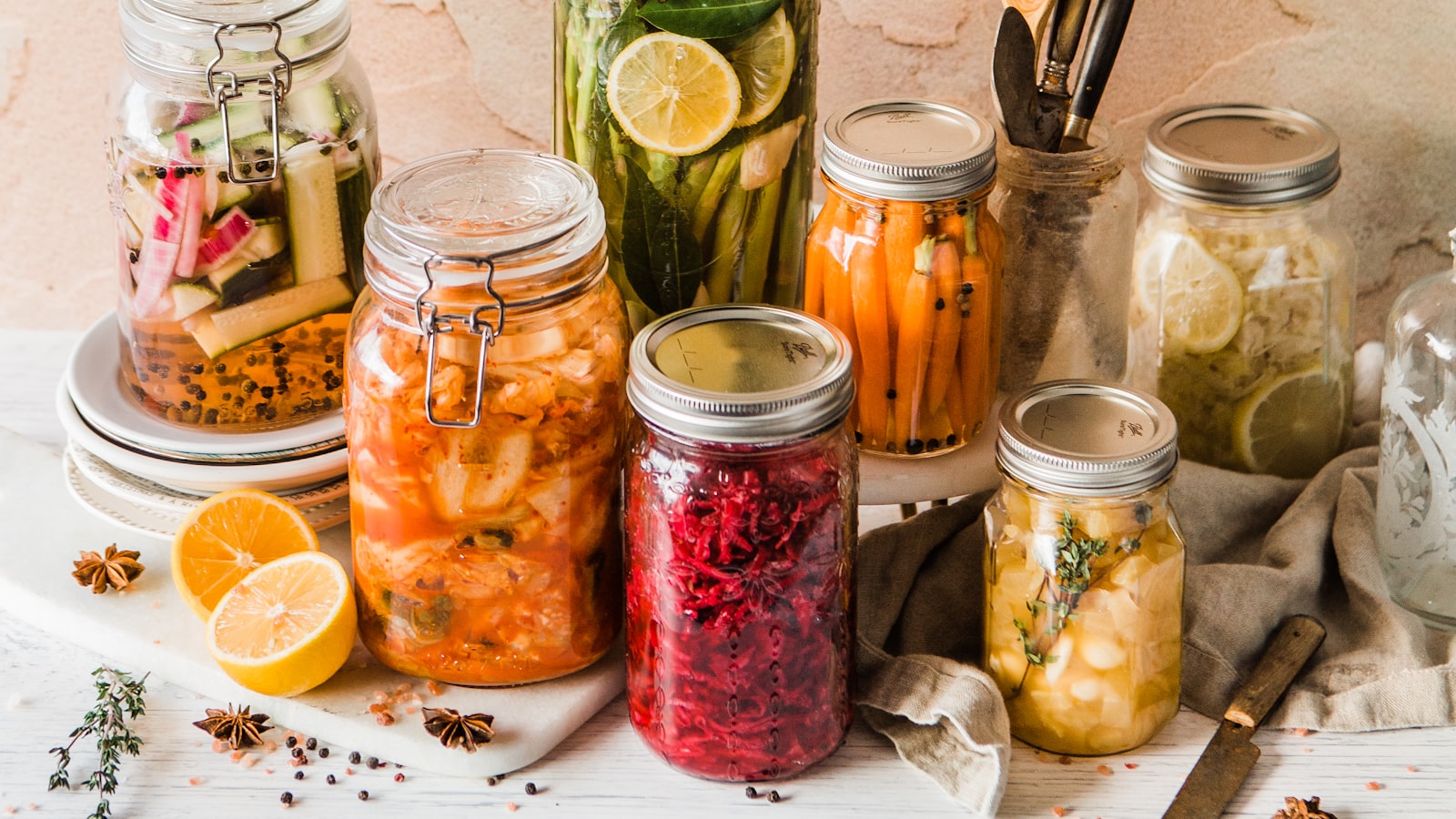 Decoration near a sealing surface joins the assessment. SGSBOTTLE tests glass from 14 lines in Shandong and Xuzhou.
What Each of Your Markets Asks For
The United States wants leachable lead and cadmium, particularly on decorated ware, and several states apply their own thresholds. The European Union wants the declaration of compliance with the conditions of use named on it.
Other markets mostly accept one or both. Tell your supplier the destination before production, since a 750 ml (25 oz) order documented for one market can stall at the border of another.
Keeping Your Declaration Usable
Three habits save trouble. Ask for documents naming your own article and drawing rather than a generic range. Check the date, since importers query old reports.
And keep the declaration with your specification rather than in an inbox. SGSBOTTLE issues both with the order, so your customs broker and your quality file hold the same paper.
What Goes on Your Enquiry
Your product, the format in ml and oz, your destination markets, and any decoration near the finish or inside the jar. SGSBOTTLE comes back with the test reports, the EC 1935/2004 declaration and the conditions each one covers.