
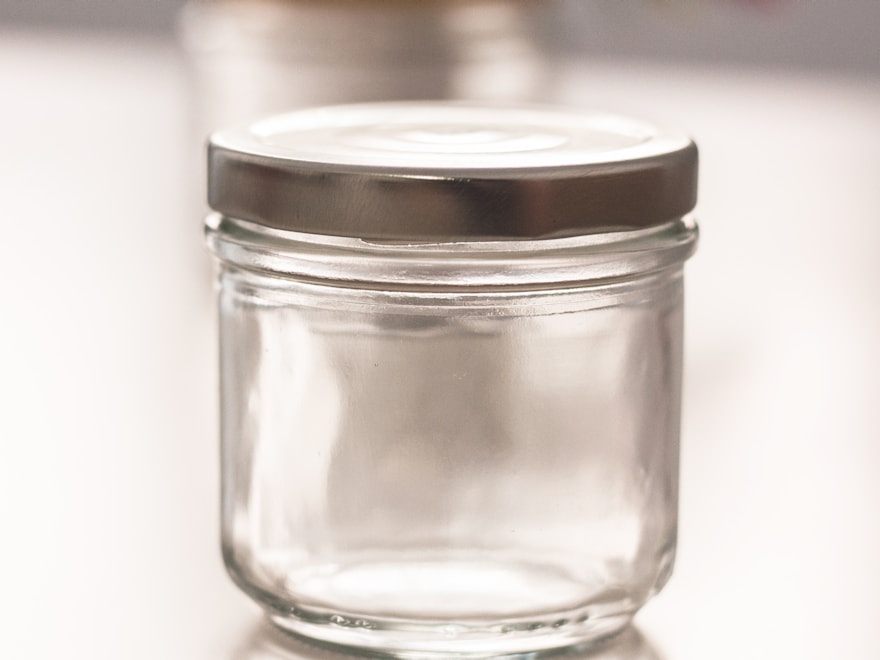
Japan asks fewer novel questions about glass than most markets and asks all of them precisely. The material is well accepted, and the expectations around evidence, dimensions and presentation are higher than elsewhere.
Where Your Obligations Actually Sit
| Area | What applies | What you supply |
|---|---|---|
| Hygiene and material | Food Sanitation Act specifications for glass. | Test evidence against those specifications. |
| Closures and liners | A positive list system for synthetic resins. | Evidence for the liner and cap, not just the bottle. |
| Measurement | Net quantity rules for pre-packaged goods. | A metric declaration, placed and sized correctly. |
| Recycling | Material-specific identification and sorting rules. | Confirmation of what your product must carry. |
Why Your Closure Needs Its Own Paperwork
Glass carries the least regulatory risk in your pack, and the plastic parts carry more. A positive list system covers synthetic resins, which is exactly what your liner and your cap are made from.
So ask your closure supplier for evidence separately. A bottle documented perfectly with an undocumented liner leaves a 330 ml (11 oz) shipment incomplete, and importers there notice.
The Dimensional Expectation That Surprises Buyers
Japanese customers measure. Tolerances on your drawing are treated as commitments rather than as guidance, and a shipment outside them raises a formal question rather than a shrug.
Agree measurable figures early. SGSBOTTLE issues the drawing with tolerances for glass from the 14 lines in Shandong and Xuzhou, and holds a signed sample as the reference for later runs.
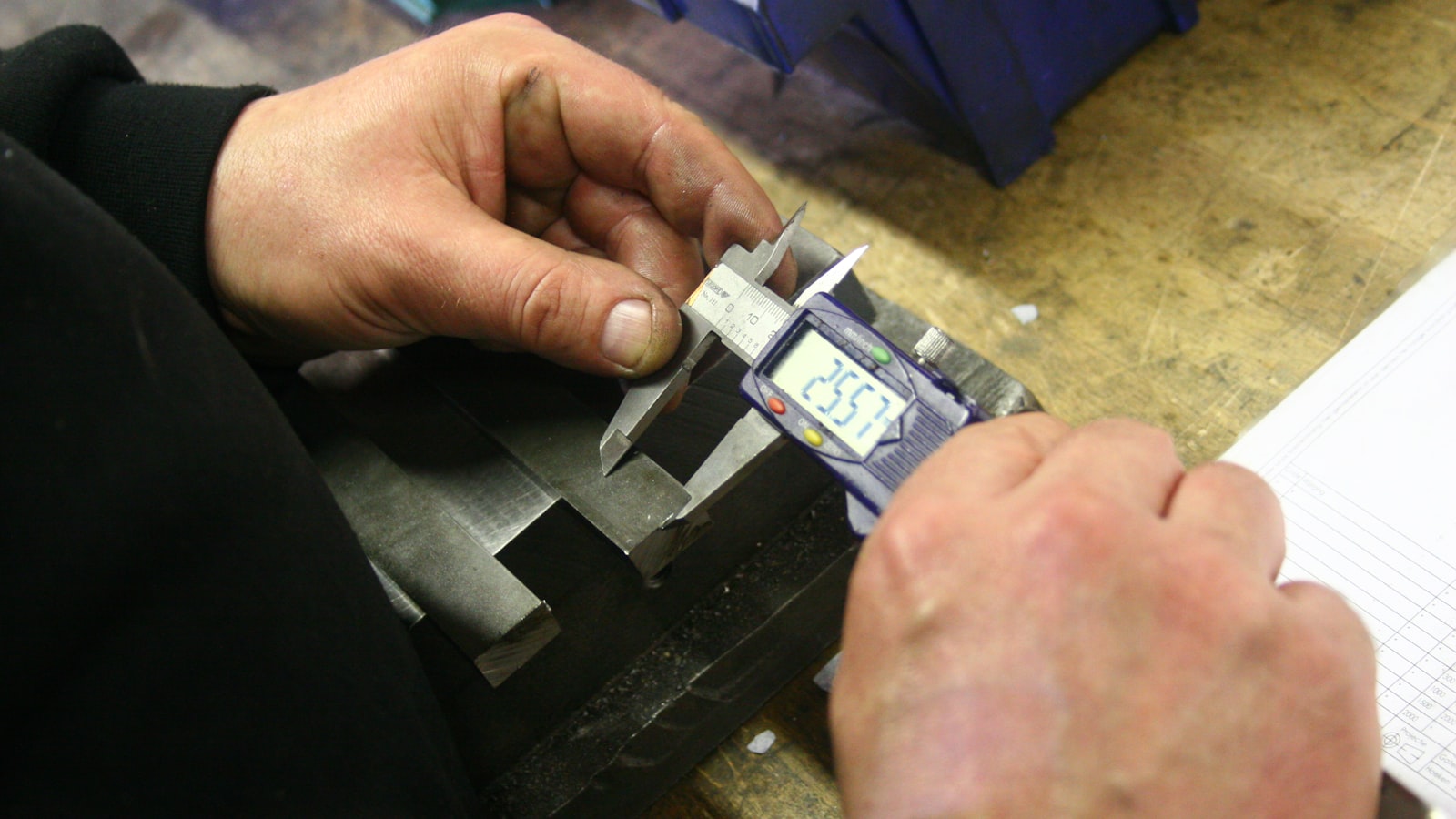 Tolerances are read as commitments. SGSBOTTLE gauges output from 14 lines in Shandong and Xuzhou.
Cosmetic Standards Count as Quality
Minor cosmetic variation that passes elsewhere gets raised in Japan. Seam appearance, base marks, slight colour variation between cavities and small inclusions all attract attention.
Set your AQL and your defect classes accordingly. A tighter minor-defect level costs a little at the factory and far less than a rejected 750 ml (25 oz) container at the destination.
Building a File a Japanese Importer Accepts
Four items make it straightforward. Test evidence for the glass against the applicable specifications. Evidence for the closure and liner from their maker.
Then the dimensioned drawing with agreed tolerances, and the inspection report for your production run. SGSBOTTLE supplies the first, third and fourth with the order for glass from the 14 lines in Shandong and Xuzhou.
What This Does Not Replace
Requirements differ by product category and change over time. Confirm the current position with your importer and your own regulatory advisor before you commit artwork or tooling.
What Goes on Your Enquiry
Your product, the format in ml and oz, your closure and liner, the tolerances that matter to your customer, and your cosmetic expectations. SGSBOTTLE comes back with the drawing, the test evidence and the inspection plan for your order.