
Glass is the material US regulators treat most gently, and your shipment still needs paper. Five documents and rules cover almost every glass container entering the United States, and each answers a different agency.
The 5 Requirements Your Order Meets
| Requirement | Who asks for it | What you supply |
|---|---|---|
| Food-contact evidence | FDA, and your importer of record. | Leachable lead and cadmium test on the finished article. |
| Proposition 65 | California, for goods sold in the state. | Testing on decorated ware, or a compliant warning. |
| Net quantity statement | Federal labelling rules on your display panel. | Both US customary and metric units, correctly placed. |
| Standards of fill | TTB, for wine and distilled spirits. | A bottle capacity from the permitted list. |
| Deposit and recycling | Individual states with container deposit laws. | Correct redemption marking for each state you sell in. |
Why Lead and Cadmium Testing Is the Document That Travels
Plain soda-lime glass leaches almost nothing, so testing usually confirms what everyone expects. Your importer still asks for the report, because it is the evidence that satisfies both FDA expectations and retailer compliance files.
Decoration changes the picture. Anything applied near a lip, a rim or an interior surface joins the assessment, so ask for testing on the decorated article rather than on plain glass. SGSBOTTLE supplies an SGS test result for US FDA leachable lead and cadmium with glass from the 14 lines in Shandong and Xuzhou.
Where Proposition 65 Actually Catches People
California treats exposure rather than content, and the risk sits with decorated ware and with rims. A plain 330 ml (11 oz) bottle almost never raises it, while a painted band near a drinking edge can.
Test the article you will actually sell. A warning label is the fallback rather than the plan, since retailers increasingly decline products carrying one when a competitor's does not.
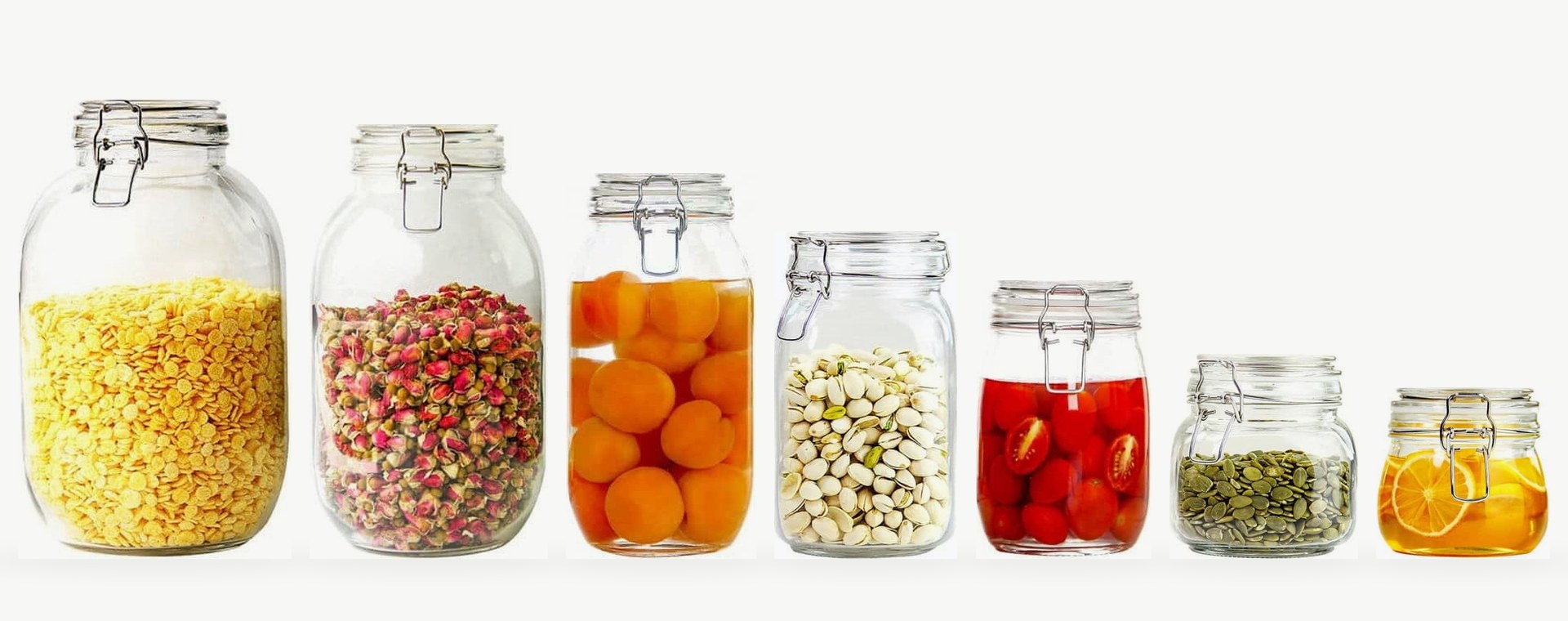 Testing follows the decorated article. SGSBOTTLE ships glass from 14 lines in Shandong and Xuzhou.
Labelling Rules That Touch Your Bottle Choice
Net quantity has to appear in both unit systems, in a defined area of the principal display panel. That area constrains your label size, which in turn constrains the flat panel your bottle needs.
Design the panel around it. A bottle whose label panel cannot carry the required statement legibly is a problem discovered at artwork rather than at tooling, and it belongs on the drawing from the start.
Deposit States and What They Change
Container deposit laws operate state by state, each with its own redemption marking and its own scope of covered beverages. Selling the same product in several of them can mean several label versions.
Plan the artwork around the widest market you serve. SGSBOTTLE marks the label panel and seam positions on the drawing for glass from 14 lines in Shandong and Xuzhou, so your versions all fit the same bottle.
What This Does Not Replace
Rules change and interpretations differ by product, so treat this as orientation rather than as legal advice. Confirm the specifics with your customs broker and your own regulatory advisor before a launch.
What Goes on Your Enquiry
Your product, the format in ml and oz, the states you sell into, any decoration near a lip or rim, and whether the product is beverage alcohol. SGSBOTTLE comes back with the test reports, the label panel drawing and the documents your importer will ask for.