
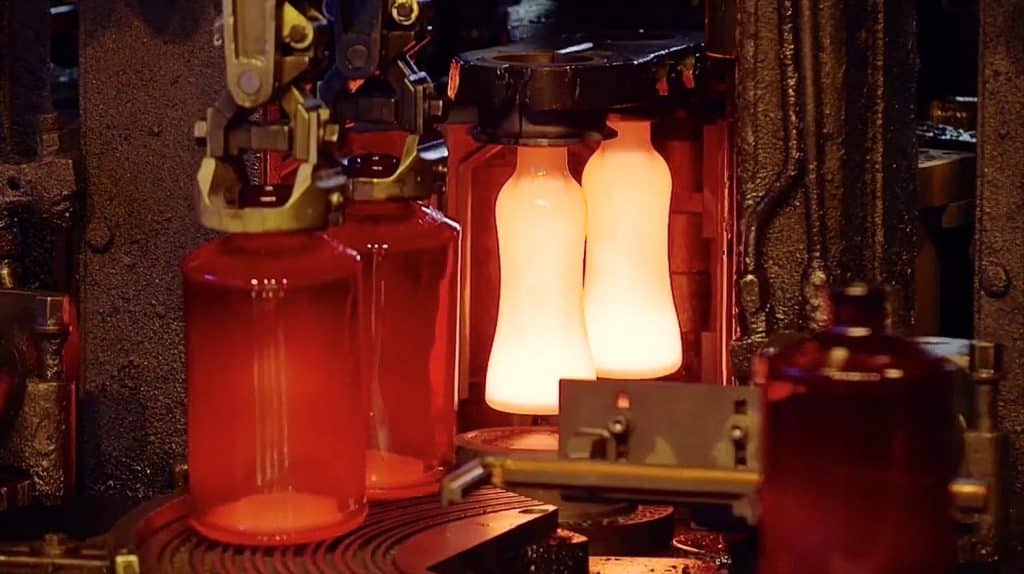
Glass is the packaging material that recycles best and the one whose recycling is least understood. What reaches a furnace is a long way from what leaves a household bin, and the gap is where your recycled content figure is decided.
The 4 Stages Between Bin and Batch
| Stage | What happens | What limits your outcome |
|---|---|---|
| Collection | Bottles gathered kerbside, in banks or by deposit. | Mixed collection arrives as mixed colour. |
| Sorting | Colour separation and removal of other materials. | Optical sorters cannot fix what arrives too mixed. |
| Cleaning | Labels, closures and residue removed. | Ceramics, stones and porcelain survive this stage. |
| Sizing | Crushed and graded into furnace-ready cullet. | Fines and contamination cut what a furnace accepts. |
Why Colour Is the Limiting Factor
Melting removes almost every contaminant and it cannot remove colour. A green bottle melted into a flint batch tints everything around it.
That is why your clear bottle carries less recycled content than an amber or green one in most markets. Amber and green furnaces tolerate mixed cullet far better, so a 330 ml (11 oz) green bottle can carry a higher figure than a flint one from the same plant.
What Ceramics Do and Why They Matter Most
Ceramics, stones and porcelain look like glass to a person and behave nothing like it in a furnace. They do not melt at glass temperature, so they arrive in your bottle as a stone.
A stone is a serious defect. It creates local stress because it expands differently from the glass around it, which is why cullet cleaning is a quality process rather than an environmental one. SGSBOTTLE controls cullet quality for the batch on all 14 lines in Shandong and Xuzhou.
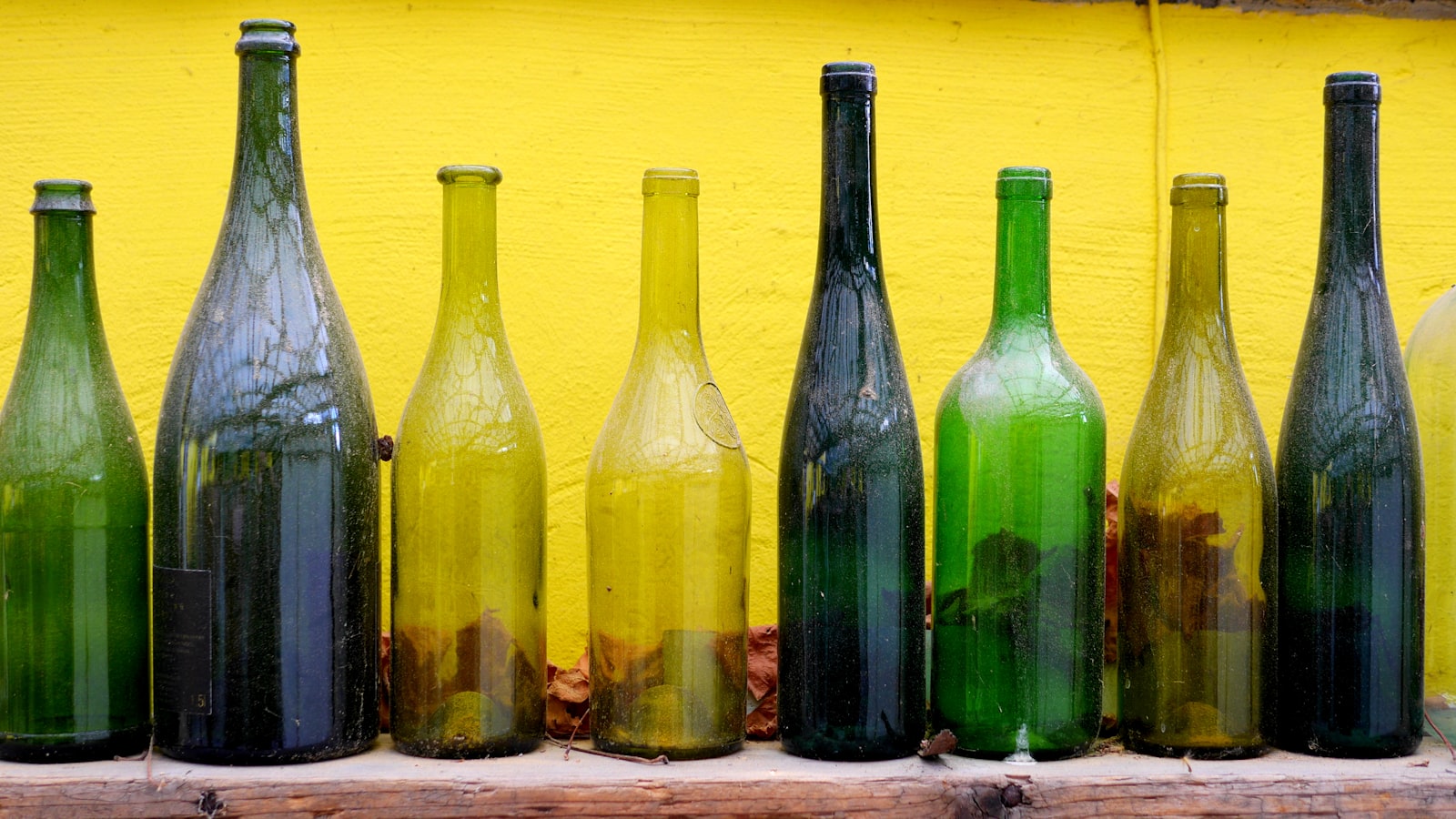 Colour survives melting; nothing else does. SGSBOTTLE runs colour campaigns across 14 lines in Shandong and Xuzhou.
Closed Loop Against Open Loop
Closed loop returns your bottle to bottle. Open loop sends it to aggregate, insulation or abrasives, which uses the material and takes it out of your packaging supply permanently.
Both count as recycling in most reporting and only one of them helps your recycled content. Ask which your market achieves, since a high recycling rate with a low closed-loop share means less cullet available for your 750 ml (25 oz) bottle.
What to Put on Your Specification
Ask for the recycled content your supplier can actually deliver in your colour, rather than a corporate average. Then ask how it is verified.
A figure you can substantiate is worth more than a higher one you cannot. SGSBOTTLE states the cullet position for glass from the 14 lines in Shandong and Xuzhou against your specific colour and format.
What Goes on Your Enquiry
Your colour and format in ml and oz, the recycled content you want to claim, your destination markets and your reporting obligations. SGSBOTTLE comes back with the achievable figure for your colour and the evidence behind it.