

Glass carries compression well, which is why bottles can be stacked at all. What decides whether yours survives is not the total weight but where that weight lands, and a bottle at the base of a pallet finds out first.
The 3 Vertical Forces Your Bottle Meets
| Force | Where it comes from | When it peaks |
|---|---|---|
| Static stack load | Every higher layer, plus a stacked pallet. | In storage, held for weeks rather than seconds. |
| Capping force | Your capping head pressing down on the finish. | On every cycle of your filling line. |
| Dynamic transit load | Vibration and shock adding to the static weight. | Over road and sea legs, repeated thousands of times. |
How ISO 8113 Measures It
Your bottle is compressed between two plates moving at a controlled rate until it fails, and the machine records the force. Results come from a sample set, since one bottle tells you nothing about the design.
Read the lowest value again rather than the average. A 750 ml (25 oz) design whose weakest sample sits near your calculated stack load has nothing left for a knock or a scratch.
Where the Load Actually Goes
Force travels down the wall and turns wherever the wall turns. Your shoulder and your heel are those turns, so both concentrate stress that the straight body never feels.
Base design matters too. A flat, well-formed base spreads the load evenly, while an uneven one puts the whole stack onto a few contact points. SGSBOTTLE gauges base flatness at the cold end on all 14 lines in Shandong and Xuzhou.
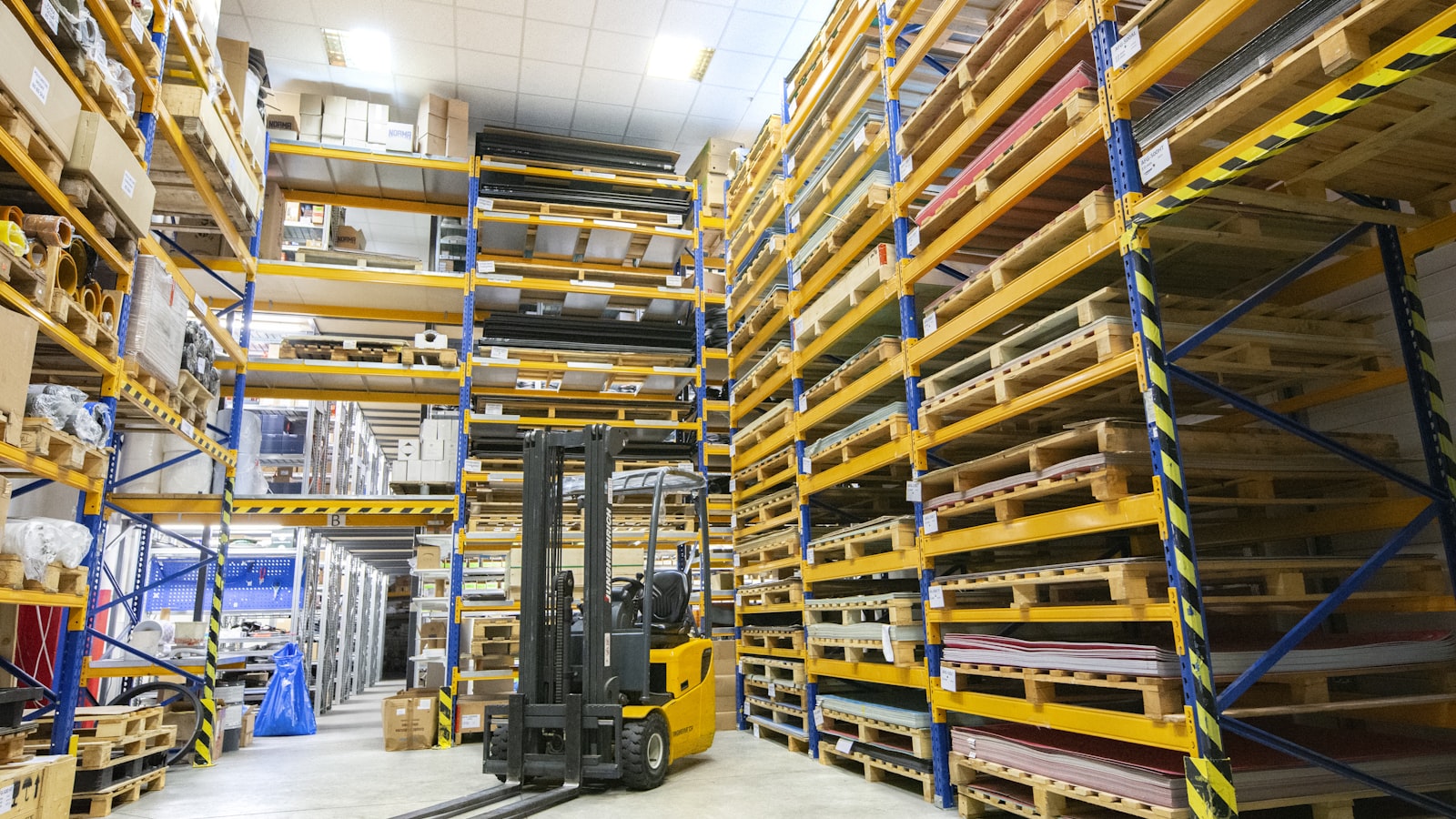 Load is carried by the bottom layer. SGSBOTTLE tests it for glass from 14 lines in Shandong and Xuzhou.
Calculating What Your Pallet Actually Applies
Work it out rather than assuming it. Count the higher layers, multiply by the filled weight of a layer, then add the weight of any pallet stacked on top in your warehouse or container.
Compare that against the tested figure with real margin, not with a few percent. Cardboard weakens in humidity, pallets shift in transit, and a 330 ml (11 oz) bottle at the base takes whatever the plan did not allow for.
What Your Capping Head Adds
Capping applies vertical force at the finish, on every bottle, at line speed. A design that survives the pallet can still crack at the finish if the head is set too hard.
Test both. Ask for the ISO 8113 figure and check your actual capping force, since the two together describe what your bottle meets rather than either one alone.
What Goes on Your Enquiry
Your format in ml and oz, the filled weight, your pallet pattern and stacking height, and your capping force. SGSBOTTLE quality engineers in Shandong come back with the vertical load results and a stacking recommendation for your order.