
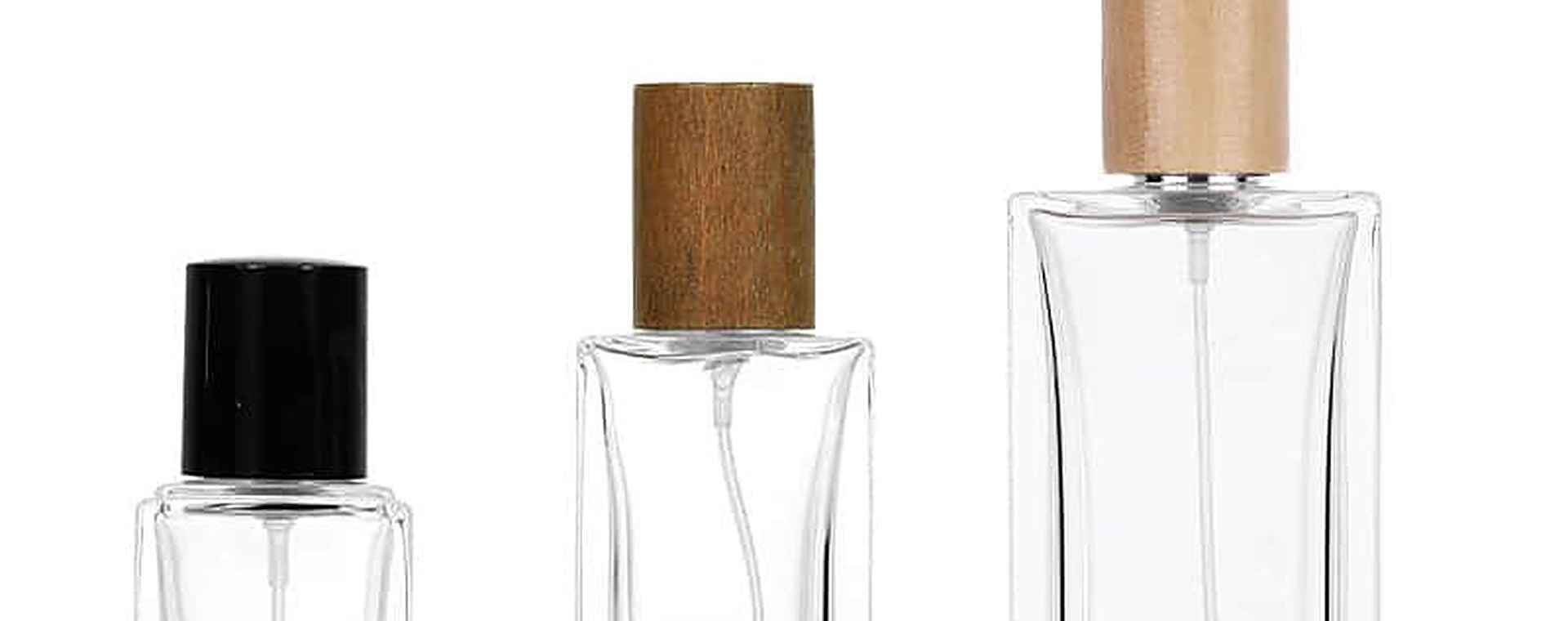
A metallised bottle reads as solid metal and still shows you the fill through a masked window. Getting there means putting a conductive layer onto a material that conducts nothing, which is why the process runs in stages.
The 3 Stages of a Metallised Finish
| Stage | What happens on your bottle | Why it matters to you |
|---|---|---|
| Base coat | A lacquer smooths the glass and gives the metal a key. | Surface texture, since the metal mirrors whatever sits under it. |
| Metallising | Aluminium evaporates in a vacuum and condenses as a film. | Your brightness and colour, from mirror silver to tinted metal. |
| Topcoat | A clear protective lacquer seals the metal layer. | Whether the finish survives your customer's handling. |
Why the Base Coat Decides Your Brightness
Vacuum metal follows the surface exactly. A film only atoms thick cannot fill a scratch or a texture, so anything under it shows through, magnified by the mirror.
That makes the base coat the quality step. A well-flowed lacquer gives you a clean mirror, while a rushed one gives you a metallic bottle that looks slightly dull for reasons nobody can point at. SGSBOTTLE runs the full sequence in Shandong, beside the 14 forming lines there.
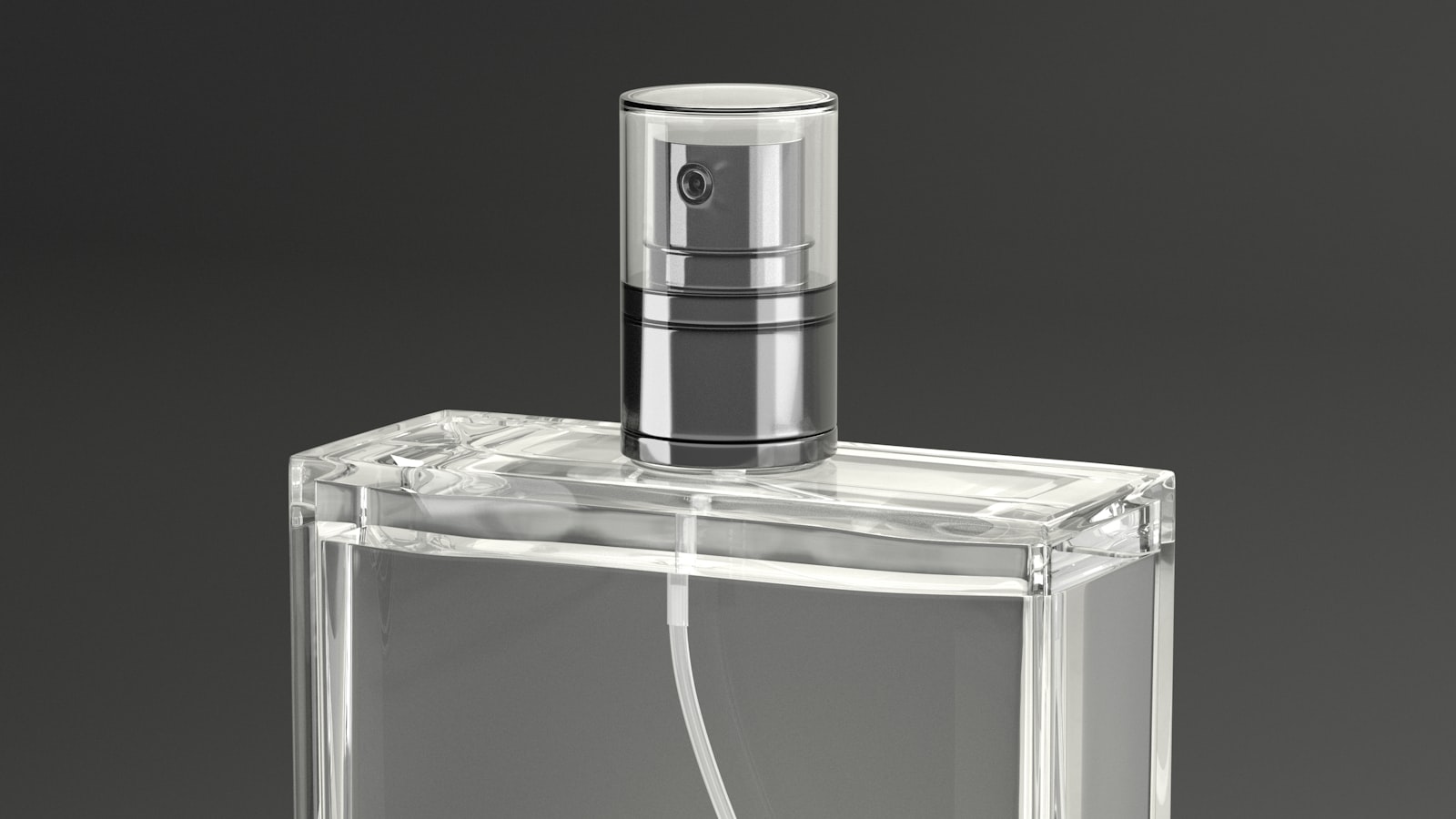 Metal follows the surface under it. SGSBOTTLE controls the base coat in Shandong, next to 14 forming lines.
Where Electroplating Differs From Metallising
Vacuum metallising gives you a thin decorative film. True electroplating builds a thicker metal deposit on a conductive base, so the layer has real substance and takes a heavier finish.
Cost follows thickness. For most bottles the vacuum route delivers the look your customer expects at the price your project supports, and a 200 ml (7 oz) diffuser rarely needs more.
What the Finish Will and Will Not Survive
Your topcoat carries the whole burden. Sealed properly, a metallised surface handles shelf life, transit and normal use without marking.
It does not handle abrasion, caustic washing or a dishwasher. Anything returnable or heavily cleaned belongs in coloured glass or a fired print, and a metallised 500 ml (17 oz) bottle intended for reuse will disappoint your customer by the third cycle.
Masking, Windows and Partial Coverage
Full coverage hides your product completely, which suits fragrance and hurts anything a shopper wants to see. Masking solves it: a clear window down one face, a metallised shoulder, or a plated band around the neck.
Design the mask with the seam in mind. A parting line running through a mirrored area catches light and shows, so place the boundary against the drawing rather than over it. SGSBOTTLE marks seams on the drawing for glass from 14 lines in Shandong and Xuzhou.
What Goes on Your Enquiry
Your artwork with masked areas marked, the metal colour you want, the format in ml and oz, and how your customer handles the pack. SGSBOTTLE comes back with a metallised sample on your bottle, the topcoat specification and the minimum for your project.