
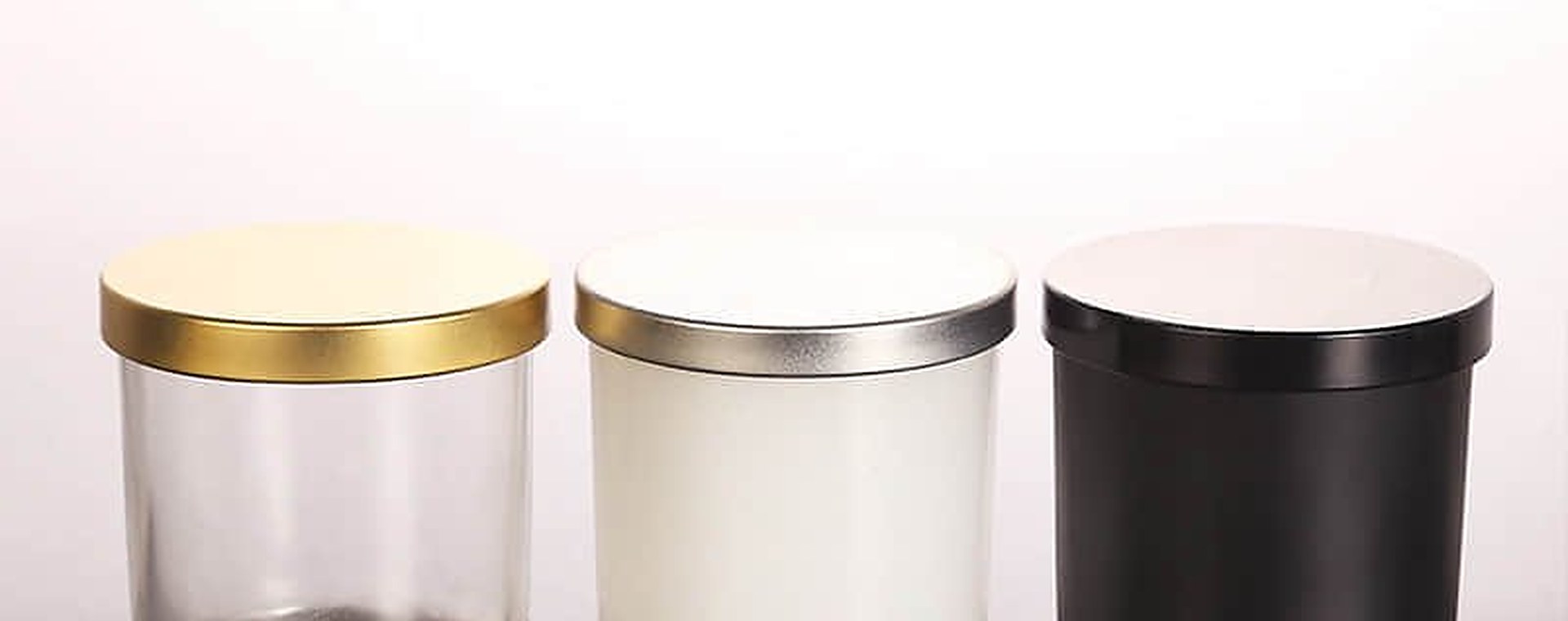
Frosting changes how your bottle handles light and how it feels in the hand. Both effects come from the same thing, a surface that scatters light instead of transmitting it, and there are separate ways to get there.
The 3 Routes to a Frosted Surface
| Method | What it does to your glass | What you get |
|---|---|---|
| Acid etching | Dissolves the surface chemically and evenly. | A soft silky feel and a fine, even white with no visible grain. |
| Sandblasting | Cuts the surface with abrasive under pressure. | A brighter, grainier white and a texture you can feel clearly. |
| Frost coating | Sprays a matt layer onto the glass and cures it. | Frost with colour available, at lower cost and slightly less depth. |
Why the Method Changes Your Artwork Options
A coating is a layer, so it can carry colour, sit in a gradient and stop at any line you draw. That flexibility is why a coloured frost or a fade from opaque to clear comes from spray rather than acid.
Etching and blasting remove material instead, so they give you white only. What they offer in return is permanence, since nothing sits on the surface to scratch through. SGSBOTTLE runs all three at the deep-processing plant in Shandong, beside the 14 forming lines there.
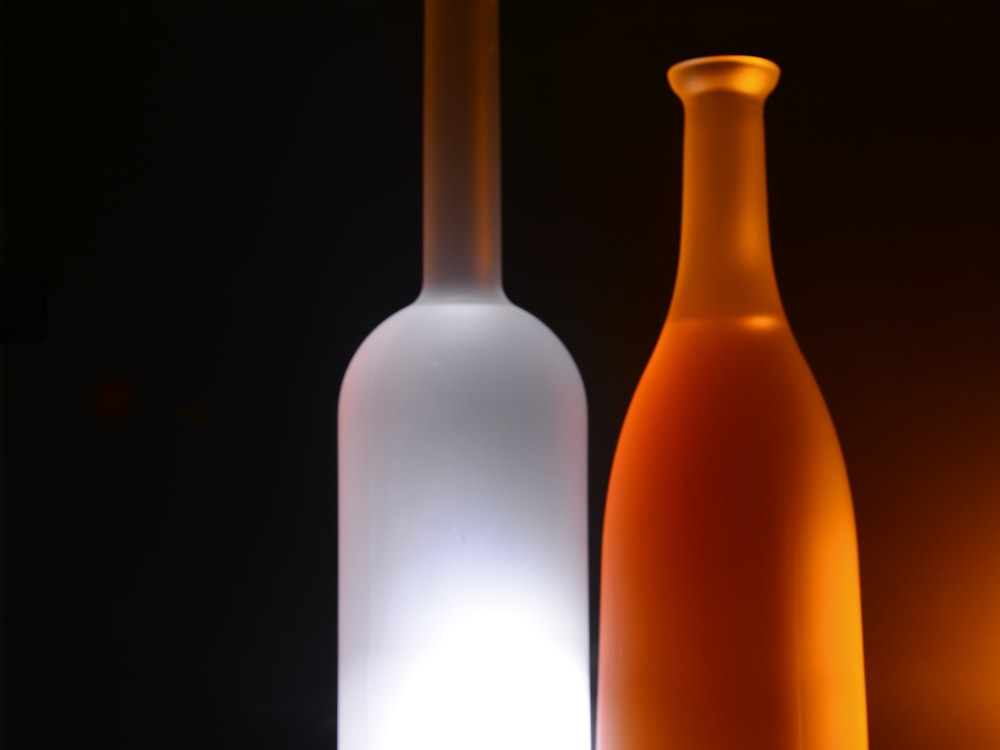 Frost, colour and gradient come off the same SGSBOTTLE site in Shandong, that runs 14 forming lines.
Bands, Windows and Gradients
Masking is what turns frost into design. A stencil holds a clear band where your label goes, a window lets your customer read the fill level, and an inverted mask leaves your logo clear against a frosted body.
Gradients ask more of the process. A fade needs a controlled spray path, which makes it a coating job, and the transition has to be long enough that it reads as intentional on a 500 ml (17 oz) body rather than as an overspray.
The Fingerprint Problem Nobody Mentions
Frosted surfaces hold skin oils in their texture. Under retail lighting that shows as dull marks, and a bottle handled by a dozen shoppers looks tired by the afternoon.
Ask for an anti-fingerprint topcoat wherever your product gets picked up. It adds a pass to the process, and it is far cheaper than a shelf of bottles your customer walks past.
What Frosting Costs You in Handling
Two things change downstream. A frosted surface has more friction, so bottles slide less freely on your conveyor and the line may need adjusting.
And labels behave differently. Surface energy on a frosted or coated bottle is not the same as on plain glass, so run an adhesion test with your real label on a frosted 330 ml (11 oz) sample before you commit.
What Goes on Your Enquiry
Your artwork with the frosted and clear areas marked, the format in ml and oz, whether you want colour in the frost, and how the pack is handled at retail. SGSBOTTLE comes back with the method, the sample and the minimum for your project.