
Screen printing gives you flat colour, one pass at a time. When your artwork needs a photograph, a fade or a dozen shades in one mark, you need a process that carries the whole image at once, and that is what a decal does.
The 4 Steps From Your Artwork to Fired Glass
| Step | What happens | Where your quality is decided |
|---|---|---|
| Printing | Ceramic inks print the full image onto backing paper. | Colour accuracy, resolution and how your gradients resolve. |
| Application | The decal slides onto your bottle and gets squeegeed flat. | Position, and whether air or wrinkles are trapped under it. |
| Drying | Water and medium leave before the bottle enters the lehr. | Bubbles, if the decal goes into heat still wet. |
| Firing | The backing burns away and the pigment fuses into the glass. | Final colour, which shifts in the heat from what you saw wet. |
Why Fired Colour Is Not the Colour You Approved
Ceramic pigments change in the lehr. What you see on an unfired decal is not your finished colour, and each pigment family shifts differently, so a proof on paper tells you very little.
Approve a fired sample on your own bottle instead. SGSBOTTLE fires decals in Shandong, on the same site as the 14 forming lines there, so the sample you sign comes off the glass your order will use.
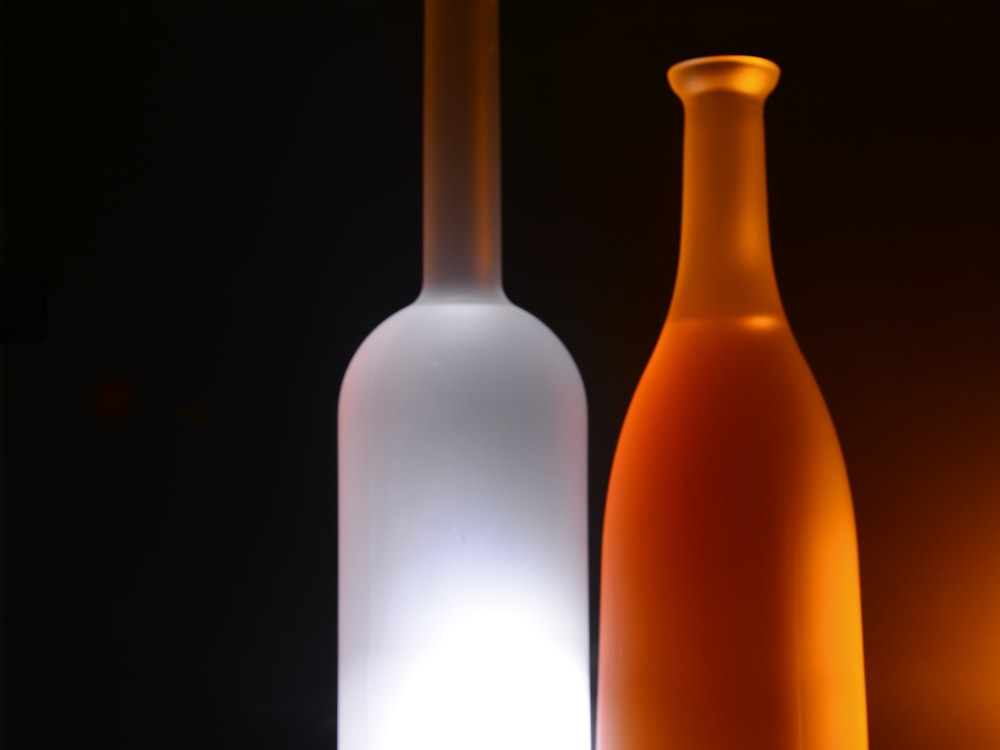 Print, apply and fire all happen at the SGSBOTTLE site in Shandong, beside 14 forming lines.
Where a Decal Beats a Screen, and Where It Does Not
Your artwork decides this more than your budget. Photographs, illustrations, gradients and any mark needing more than three or four colours all point at a decal, because a screen would need a pass for each one.
A bold two-colour logo points the other way. A screen prints it directly, with no consumable to buy and nothing to apply, so a 330 ml (11 oz) bottle carrying a simple mark costs less printed than decorated.
What Your Bottle Shape Allows
A decal is a flat sheet, so it conforms to a single curve without complaint and fights anything more complex. A cylinder or a gently tapered body takes a wrap easily.
Compound curves and sharp shoulders do not. Wrinkles gather where the sheet has nowhere to go, which is why your decal area gets defined on the drawing along with the seam positions, before artwork is placed.
What to Send and What to Expect Back
Send high-resolution artwork with colours named, plus a physical colour reference where an exact match matters. State the panel and the size you want, and say which parts of the design must not be cropped.
Expect back a fired sample on your bottle, a note on any colour that shifted in firing, and the minimum for your run. SGSBOTTLE quotes decals alongside glass from 14 lines in Shandong and Xuzhou, so a 750 ml (25 oz) bottle arrives decorated and ready for your filler.
What Goes on Your Enquiry
Your artwork at full resolution, the format in ml and oz, the panel you want covered, and your annual volume. SGSBOTTLE comes back with a fired sample, the colour notes and the minimum for your project.