
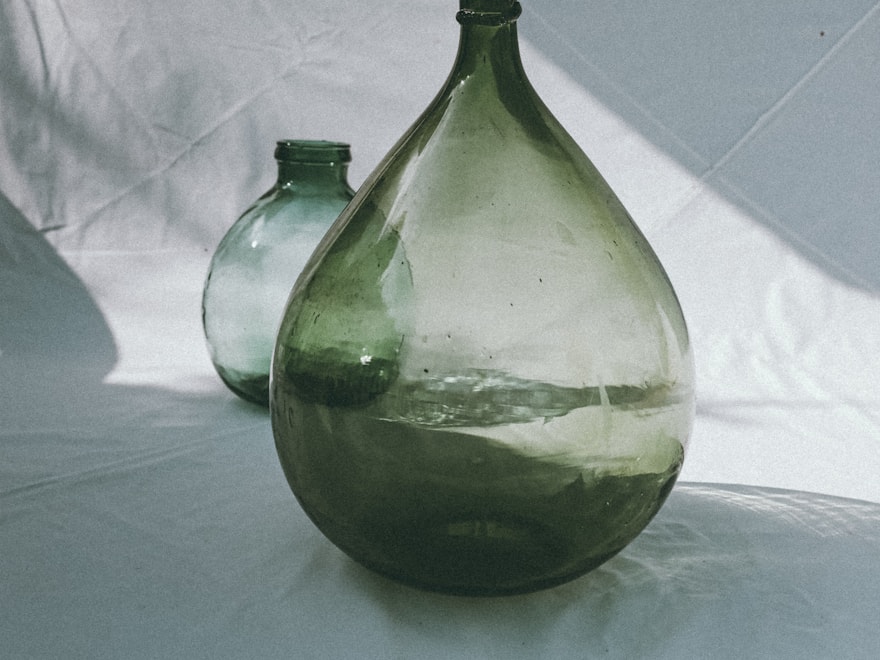
A furnace melts coloured glass; a booth sprays colour onto a finished bottle. That difference decides your minimum, your palette and your lead time, and for most brands under a certain volume it decides the project.
How the Layer Goes On
The line cleans your bottles, then sprays a pigmented lacquer in a booth while each one rotates, so the coat lands evenly. A curing oven then drives off the solvent and hardens the film.
You only ever handle cured coating. Before the oven the layer stays fragile, so the coating line keeps its own pass and its own handling, and your coated bottle carries a slightly different surface for labels.
What Spray Gives You That Glass Colour Cannot
| Capability | Why the coating allows it | What it means for your project |
|---|---|---|
| Any Pantone | Pigment is mixed like paint rather than melted. | Your brand colour, matched instead of approximated. |
| Gradients and fades | Spray density varies along a controlled path. | Colour that runs from solid to clear on one bottle. |
| Matt, gloss and soft-touch | The finish comes from the lacquer, not the glass. | A surface your customer notices in the hand. |
| Small runs | No furnace campaign, so no melting minimum. | Stock glass in your colour without a coloured-glass order. |
Where Coloured Glass Still Wins
Durability sets the honest limit. Colour in the glass cannot scratch off, survives a caustic wash and lasts as long as your bottle, so returnable and heavily washed packs stay with melted colour.
Light protection comes second. An amber glass bottle blocks ultraviolet through the wall itself, while a coating protects only what it covers and only while it stays intact. For a light-sensitive product in a 330 ml (11 oz) bottle, that difference is the whole decision.
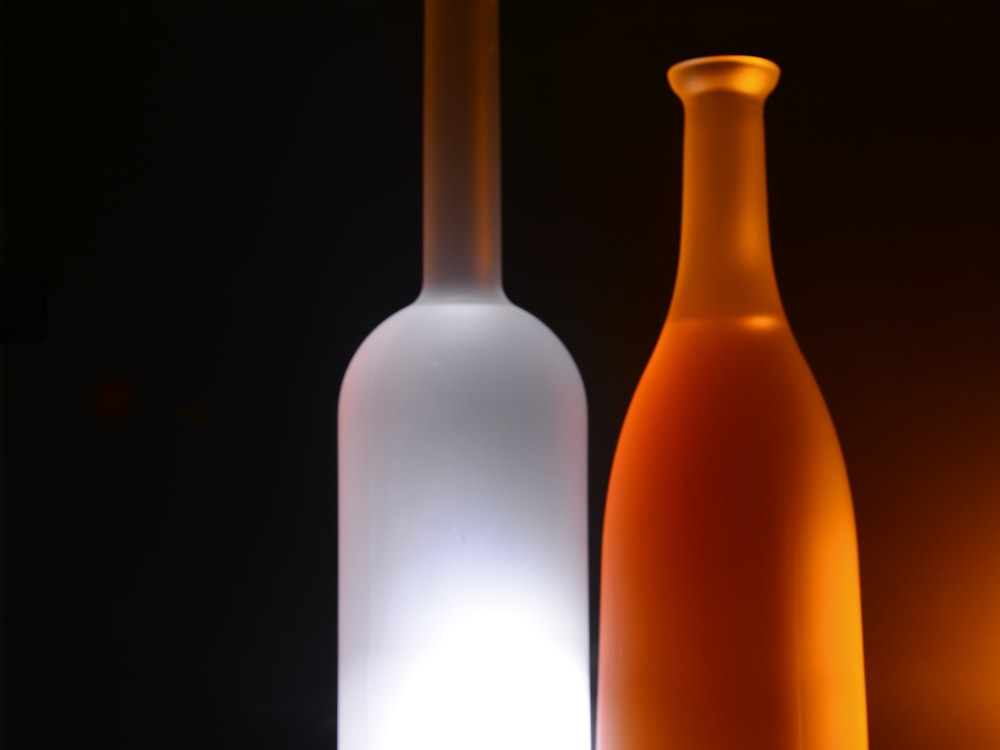 Coating runs as its own pass at the SGSBOTTLE site in Shandong, beside 14 forming lines.
Getting Your Colour Right the First Time
Send a physical reference, not only a code. A Pantone chip sits on flat paper and reads differently on your curved glass, and the same code over flint reads differently than over extra-flint.
Ask for a sprayed sample on your actual bottle before production. SGSBOTTLE proofs colour in Shandong, where 14 forming lines feed the same site, so your sample comes on the glass your order will use rather than on a substitute.
What Coating Changes Downstream
Labels and coding both notice it. Surface energy differs from bare glass, so test your adhesive on a coated 750 ml (25 oz) sample, and check your date coder marks the coating cleanly.
Handling changes too, especially with soft-touch finishes, which grip rather than slide. Tell your filler what is coming so the line gets adjusted before your first pallet arrives.
What Goes on Your Enquiry
Your colour reference, the finish you want, the format in ml and oz, your label type and your annual volume. SGSBOTTLE comes back with a sprayed sample on your bottle, the minimum and the lead time for your project.