
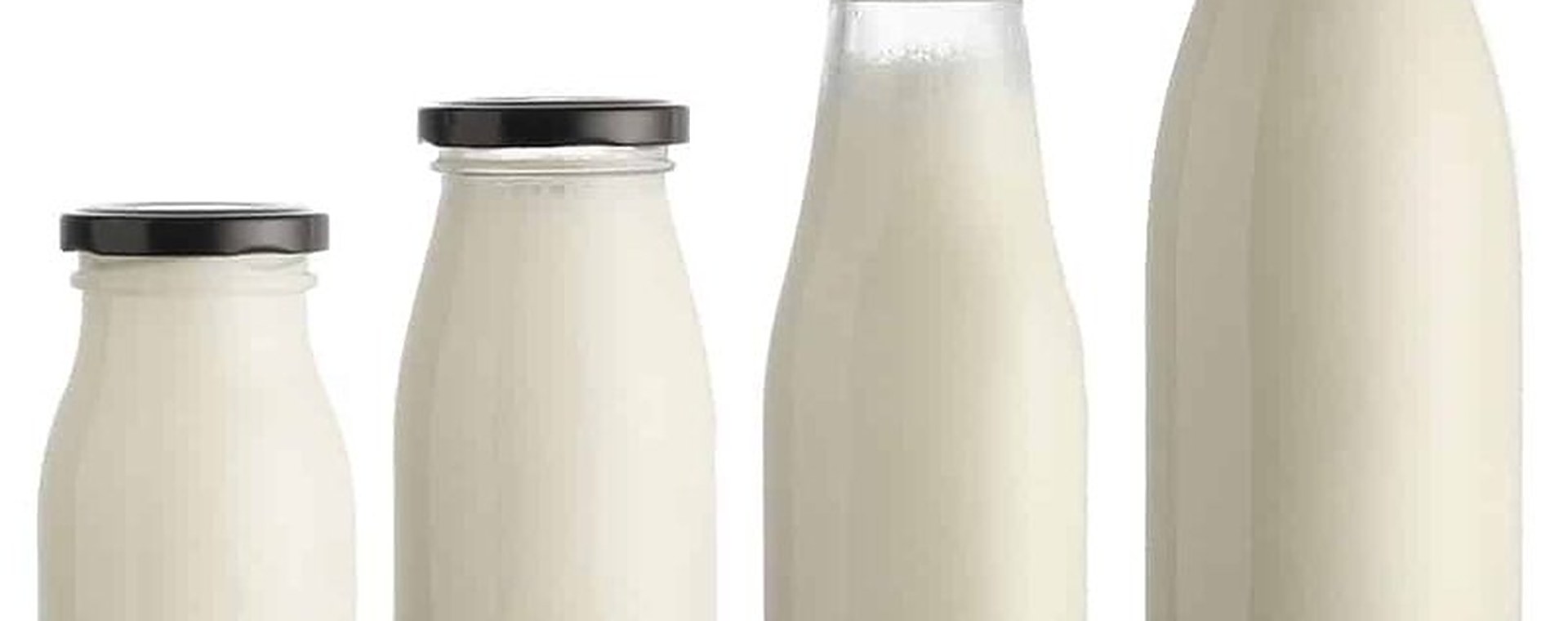
A screen print is not on your bottle, it is in it. Ceramic ink is fired into the glass surface, which is why the decoration outlasts the product and why the artwork rules are stricter than anything you meet in print.
How Your Design Reaches the Glass
A mesh screen carries your artwork as open and blocked areas. The bottle rotates against the screen while a squeegee pushes ink through the open parts, laying a flat, even film on the curve.
That film is then fired. In the decorating lehr the glass frit in the ink melts and fuses to the bottle, and what emerges cannot be scratched or washed away. SGSBOTTLE prints and fires in Shandong, on the same site as the 14 forming lines there.
The 4 Artwork Rules That Decide Your Result
| Rule | Why the process needs it | What breaks when you ignore it |
|---|---|---|
| Vector artwork only | The screen is made from clean edges, not from pixels. | Soft, ragged edges on every letter of your logo. |
| Minimum line weight | A mesh cannot hold ink in a line finer than its threads. | Hairlines that print broken or vanish entirely. |
| Flat spot colours | Each pass lays one solid colour, with no blending. | Gradients that band, and photographs that turn to mud. |
| Space between colours | Registration between passes has a real tolerance. | Coloured fringes where two passes should meet exactly. |
Why Every Colour Costs a Pass
One screen carries one colour, so a four-colour design means four screens, four set-ups and four alignments. Cost climbs in steps and so does the risk of misregistration.
Design around that instead of against it. Two strong colours with deliberate space between them look sharper on a 330 ml (11 oz) bottle than four colours fighting for register, and the print stays clean across a long run.
 Print and fire happen at the same SGSBOTTLE site in Shandong, that supplies your glass.
Where the Bottle Shape Limits You
A squeegee needs a surface it can hold contact with. A cylindrical body prints across a wide area, and a flat panel prints well, but sharp shoulder curves and deep recesses do not.
Seams matter too. A mould seam under the print shows as a fine break in the ink, so the printable area gets defined against the parting line before your artwork is placed. SGSBOTTLE marks both on the drawing for glass from 14 lines in Shandong and Xuzhou.
What Fired Ink Buys You
Permanence is the argument. A fired print survives dishwashers, ice buckets, condensation and returnable washing, where a paper label softens and a pressure-sensitive film lifts at the corner.
It also removes a step from your line. There is nothing to apply, nothing to store and nothing to run out of, so a 750 ml (25 oz) bottle arrives decorated and goes straight to your filler.
What Goes on Your Enquiry
Vector artwork with colours named, the format in ml and oz, the panel you want printed, and your annual volume. SGSBOTTLE comes back with a printed sample on your bottle, the colour count and the minimum for your project.