
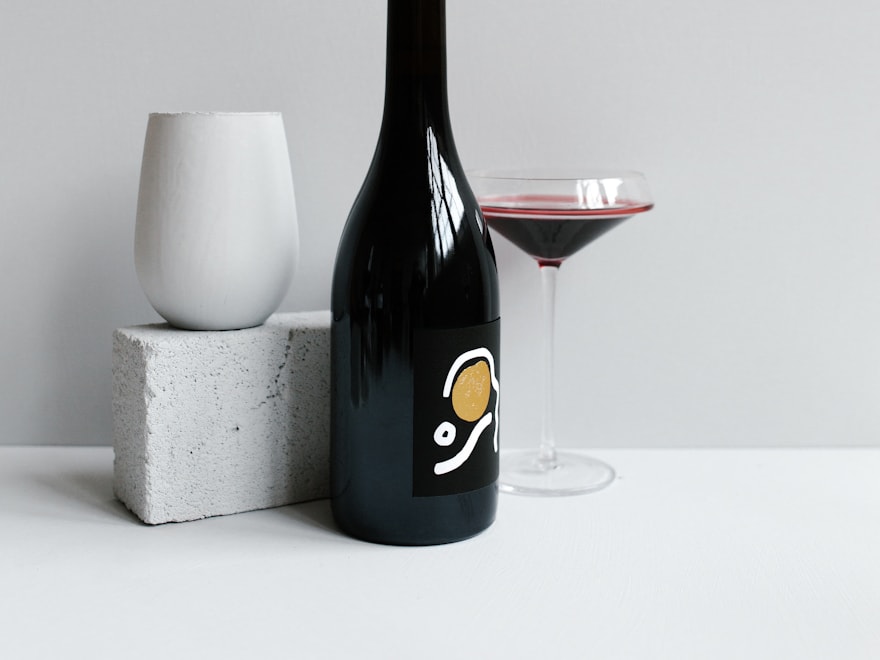
750 ml converts to 25.36 US fluid ounces and 26.40 imperial ones, and neither number appears on a label. The metric figure won because regulators wrote it into fill standards, and your trade followed.
The Conversion and Its Neighbours
| Format | US fluid ounces | Where you meet it |
|---|---|---|
| 700 ml | 23.7 oz | Spirits in several markets outside North America. |
| 750 ml | 25.4 oz | Wine and spirits, the global standard format. |
| 1000 ml | 33.8 oz | Spirits and larger formats on your value tier. |
| 1750 ml | 59.2 oz | North American spirits, the large retail size. |
Why the Standard Matters Before Tooling
Fill standards in major markets list which capacities may be sold for wine and spirits. A distinctive capacity is not a design decision there; it is a barrier to selling your product at all.
Check the list before a mould is cut. A 700 ml and a 750 ml bottle look similar and serve different markets, and SGSBOTTLE engineers confirm the format against your destination before cutting steel.
What 750 ml Gives You in Tooling and Stock
More tooling exists at this capacity than at any other in wine and spirits, which shortens your route to market. Stock shapes are available, so your launch can run without a mould at all.
That also makes it the benchmark for quotations. SGSBOTTLE quotes production tooling on a 700 to 750 ml basis for glass from 14 lines in Shandong and Xuzhou, so your comparison starts from a common reference.
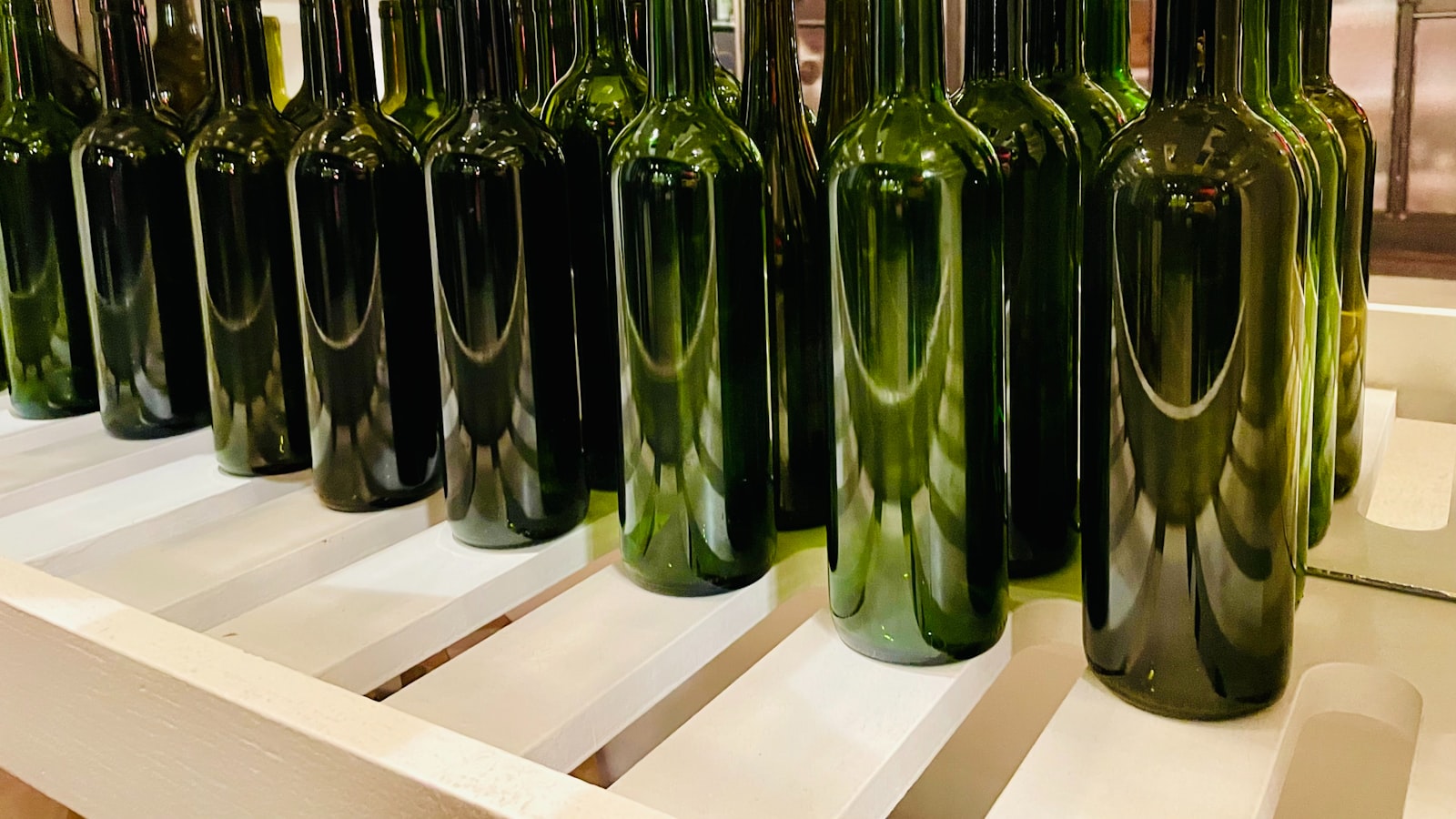 The format with the most tooling behind it. SGSBOTTLE runs 14 lines in Shandong and Xuzhou.
What the Format Does to Your Container
Glass reaches the weight limit before the volume limit, and a 750 ml bottle is where most buyers meet that. A 40HC takes about 25,000 pieces of a standard shape and about 22,000 of an irregular one.
That gap is worth designing around. An unusual silhouette costs you pieces per container on every shipment, so the shape decision has a freight consequence that repeats for the life of the design.
Weight Is Where the Real Choice Sits
Bottles at this capacity range from light to very heavy, and the glass weight is a brand decision rather than a technical requirement. A heavy bottle signals premium in the hand and costs more in freight and in recovery fees.
Decide it deliberately. SGSBOTTLE quotes several weights against the same 750 ml drawing, so you see the freight and the shelf impression side by side before committing.
What Goes on Your Enquiry
Your product, the capacity in ml and oz, your destination markets, your target glass weight and your closure. SGSBOTTLE comes back with the stock shapes, the weight options and the pieces per container for each.