
Your labeller is the machine that cares most about your bottle geometry, and it is usually specified last. Each of the three systems wants something different from the glass, and none of them can be persuaded afterwards.
The 3 Systems and What They Ask For
| System | How it applies your label | What your bottle has to give |
|---|---|---|
| Wet glue | Glue applied, then the label rolled on as the bottle turns. | A clean dry surface and a single, even curve. |
| Pressure sensitive | Peeled from a backing web and pressed on. | Consistent panel geometry and a compatible surface. |
| Shrink sleeve | A film tube slid on and shrunk with heat. | Neck and shoulder shape the film can pull onto. |
Why Wet Glue Is Fussy About Your Glass
Wet glue is the fastest and cheapest system per label, and it has the least tolerance for surface condition. Moisture, dust or a heavy cold-end coating all interfere with adhesion.
Your bottle geometry matters as much. A wet glue label rolls onto a single curve, so a flat panel with sharp corners or a compound shoulder fights the process rather than helping it.
Where Pressure Sensitive Earns Its Cost
Your labels cost more and your setup costs less. There is no glue circuit to clean, no plates to change, and a design switch is a reel change rather than a job.
Surface energy is where it struggles. A frosted, coated or soft-touch 330 ml (11 oz) bottle presents a different surface from bare glass, so run an adhesion test with your real label before you commit a run.
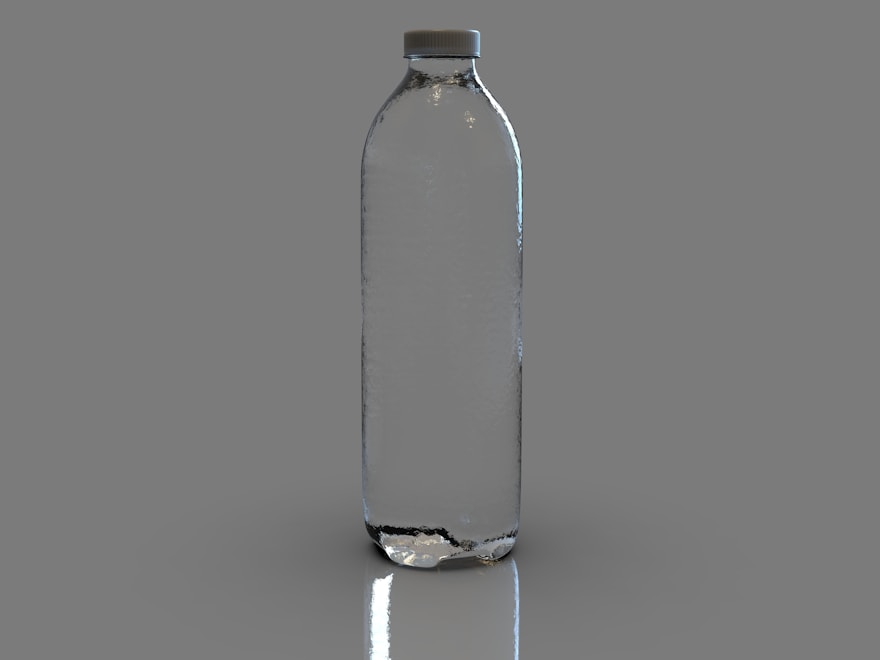 Your panel and seams belong on the drawing. SGSBOTTLE marks both across 14 lines in Shandong and Xuzhou.
What Sleeves Solve and What They Cost
A sleeve wraps a shape no flat label can follow, which is why complex bottles use them. It also gives you full-body graphics and tamper evidence in one pass.
The cost is recycling and heat. Your sleeve has to come off cleanly for the glass to be recycled well, and the shrink tunnel puts a thermal load on a filled pack, so a 750 ml (25 oz) bottle needs its thermal shock margin checked.
What Every System Needs From Your Drawing
Three things, whichever machine you run. Your label panel with real dimensions, your mould seam positions, and your shoulder radius where the panel ends.
Ask for them before artwork. SGSBOTTLE issues the panel and seam positions on the drawing for glass from the 14 lines in Shandong and Xuzhou, so your designer and your labeller work from the same geometry.
What Goes on Your Enquiry
Your labeller type and speed, the format in ml and oz, your label material and adhesive, and any coating or frosting on the bottle. SGSBOTTLE comes back with the panel drawing, the coating band and bottles for an adhesion trial.