
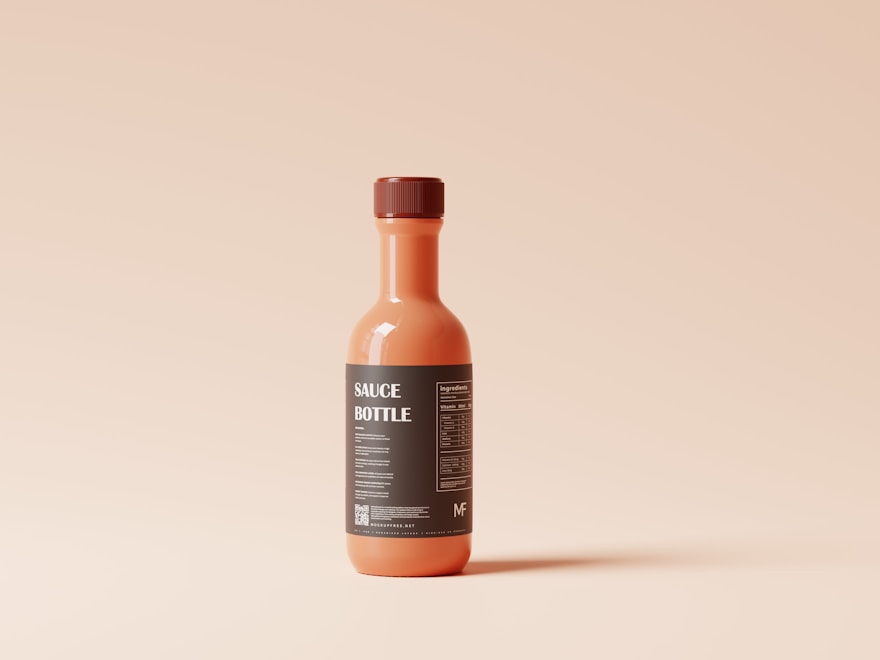
Mexico's requirements arrive as NOM standards, and one of them changed packaging design across the market. Warning seals take a defined share of the front panel, and everything else on your label has to fit around them.
The 4 Standards That Reach Your Pack
| Standard area | What it governs | What it does to your label |
|---|---|---|
| General labelling | Mandatory content for pre-packaged food and drink. | Spanish text, and defined placement on your panel. |
| Front-of-pack warnings | Nutrient warning seals on qualifying products. | A reserved share of your principal display panel. |
| Net content | Declaration and tolerance of quantity. | Metric quantity, sized and placed to rule. |
| Alcoholic beverages | Labelling and specifications for alcohol. | A separate rule set from food and soft drinks. |
Why the Warning Seals Change Your Bottle Choice
The seals are not small and their position is not negotiable. They take a fixed proportion of the front panel, which leaves your brand, your product name and your net quantity competing for what remains.
That pressure reaches the glass. A bottle with a narrow front face can end up with no workable layout, so a 330 ml (11 oz) design intended for Mexico wants a wider panel than the same product elsewhere. SGSBOTTLE marks the usable panel on the drawing for glass from 14 lines in Shandong and Xuzhou.
Spanish Text and the Over-Label Trap
Mandatory information has to reach the consumer in Spanish. Adding it at import with a sticker works and looks like what it is, often covering the design you paid for.
Plan for it in the artwork instead. A layout built with the Spanish text in place from the start keeps your brand visible, and it costs nothing extra at the printer.
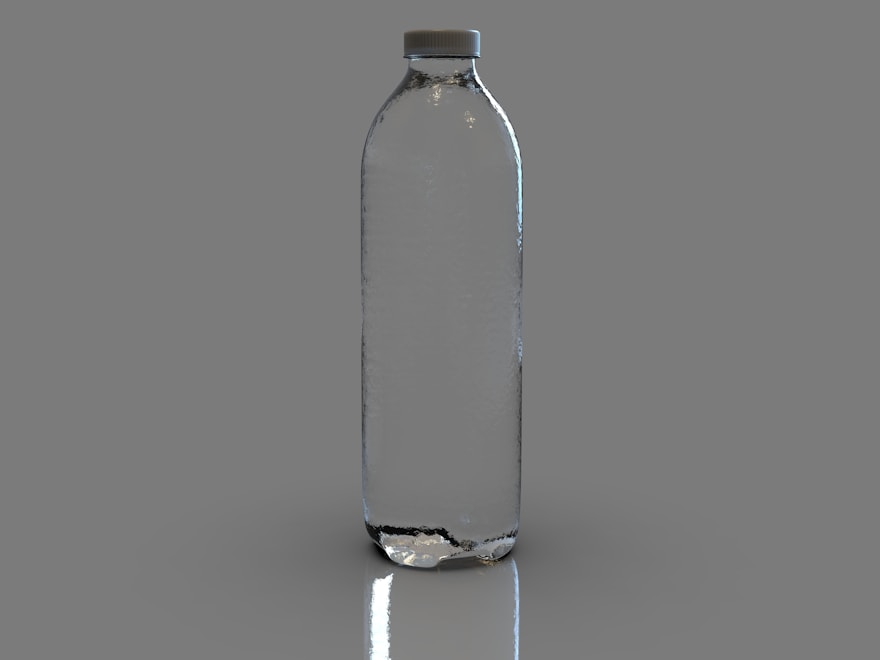 Panel width decides whether a layout works. SGSBOTTLE draws it for glass from 14 lines in Shandong and Xuzhou.
What Alcohol Changes
Alcoholic beverages sit under their own standard, with their own labelling content and specifications. The warning-seal regime that governs soft drinks does not apply in the same way.
Check which rule set your product falls under before tooling. A 750 ml (25 oz) spirits bottle and a 750 ml juice bottle can need different label areas despite sharing a capacity.
What to Ask Your Glass Supplier For
Three things, none of them exotic. The panel drawing with dimensions and seam positions, so your designer can lay out to a real area.
Then the food-contact test report for the article, and the packed weights for your import paperwork. SGSBOTTLE issues all three with the order from the 14 lines in Shandong and Xuzhou.
What This Does Not Replace
NOM standards are revised and interpretations differ by product category. Confirm the current requirements with your Mexican importer and your own regulatory advisor before printing artwork.
What Goes on Your Enquiry
Your product and whether it is alcoholic, the format in ml and oz, your label layout including any warning seals, and your front panel width. SGSBOTTLE comes back with the panel drawing, the test report and the packed weights.