
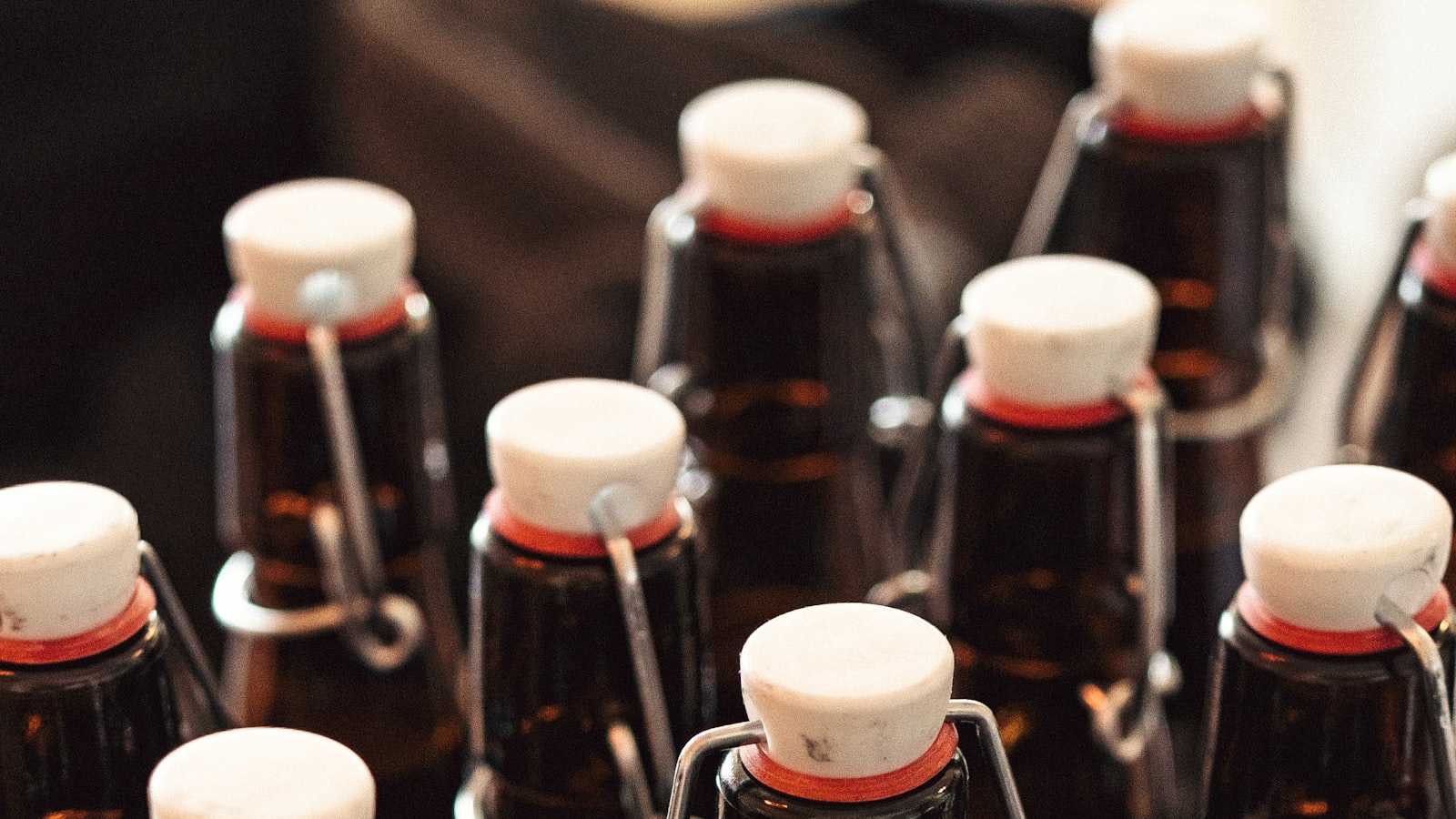
A carbonated pack pushes outward every second it exists, and that pressure climbs as the bottle warms. Testing tells you how much margin your design holds over the worst moment in your supply chain.
The 2 Methods and When to Use Each
| Method | What it does | What you get from it |
|---|---|---|
| ISO 7458 Method A | Raises pressure steadily until your bottle bursts. | The real capability of the design, as a burst figure. |
| ISO 7458 Method B | Holds a set pressure for a set time. | A pass or fail against the level you agreed. |
Use Method A when you are proving a new design and want to know the margin you actually hold. Use Method B for production checks, where you need a fast, repeatable answer on every lot.
What a Burst Figure Really Tells You
A single number flatters. Your bottles vary from cavity to cavity, so a burst result means something only across a sample set, and the spread matters as much as the average.
Look at the lowest value rather than the mean. A design whose weakest sample sits close to your working pressure has no margin left for a warm container, a scratch on the shoulder or a knock at the depalletiser.
Why Your Wall Distribution Sets the Result
Pressure finds the thinnest point. A bottle with even walls carries the load right around its circumference, and one with a thin side fails there regardless of how much glass it holds in total.
That links this test back to forming. SGSBOTTLE gauges wall distribution at the cold end on all 14 lines in Shandong and Xuzhou, because a pressure result without wall data explains nothing.
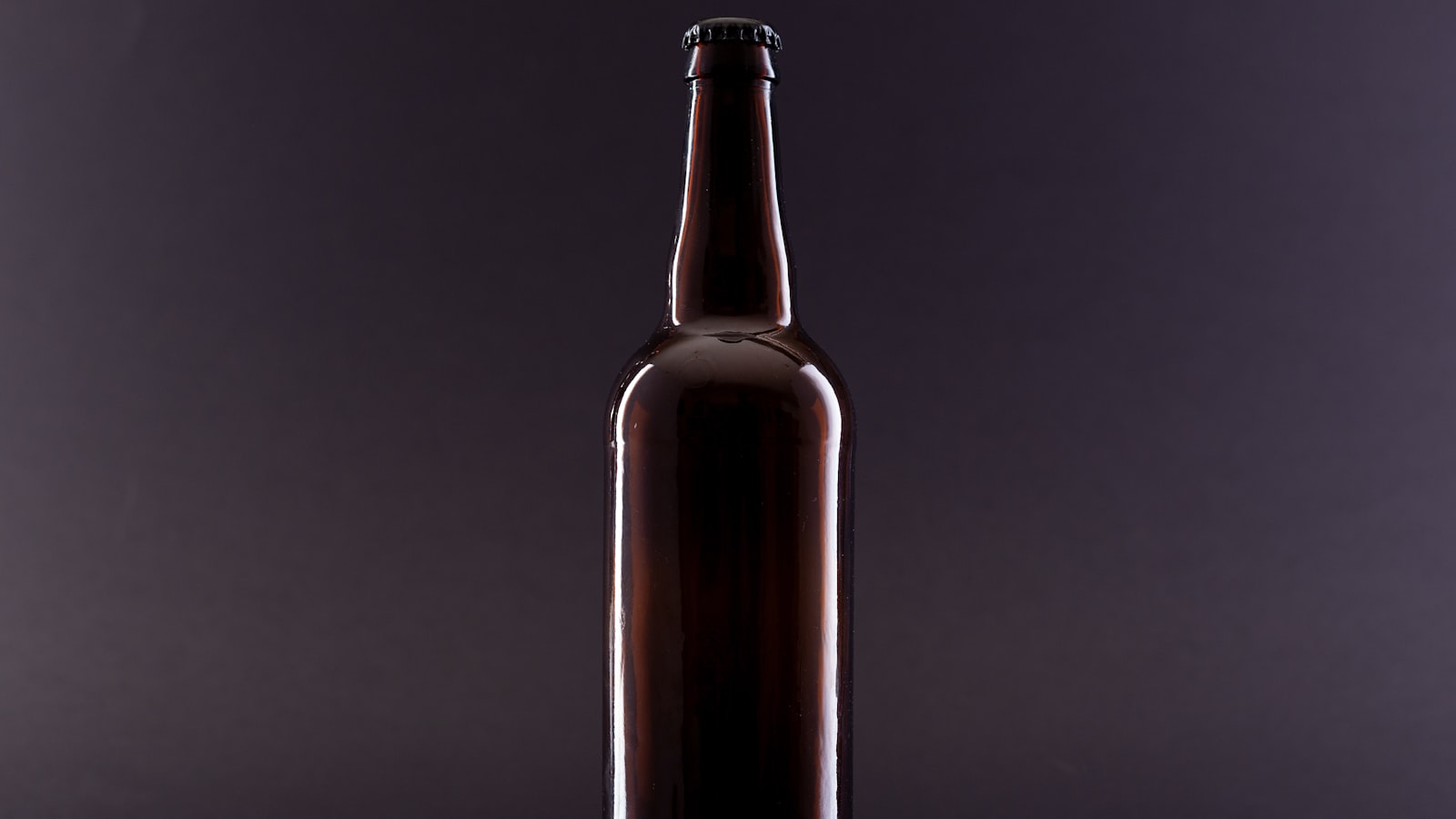 Pressure fails at the thinnest point. SGSBOTTLE measures walls across 14 lines in Shandong and Xuzhou.
Temperature Is Half the Problem
Carbonation pressure rises with heat. A 330 ml (11 oz) beer that sits comfortably at cellar temperature generates far more in a steel container crossing the equator.
Specify against that worst case. Your supply chain, not your warehouse, sets the number your bottle has to survive, and a design proven only at ambient has been proven in the easiest condition it will ever meet.
What to Put in Your Specification
Three entries cover it. The test method, A or B, and the pressure or the minimum burst value you require. The sample size and how often the test repeats.
And the wall thickness minimum that supports the figure. SGSBOTTLE states all three for a 750 ml (25 oz) design so your incoming inspection can repeat the test rather than trust the report.
What Goes on Your Enquiry
Your fill and its carbonation level, the format in ml and oz, your filling and pasteurising temperatures, and the route the pack travels. SGSBOTTLE quality engineers in Shandong come back with the pressure results and the wall data behind them.