
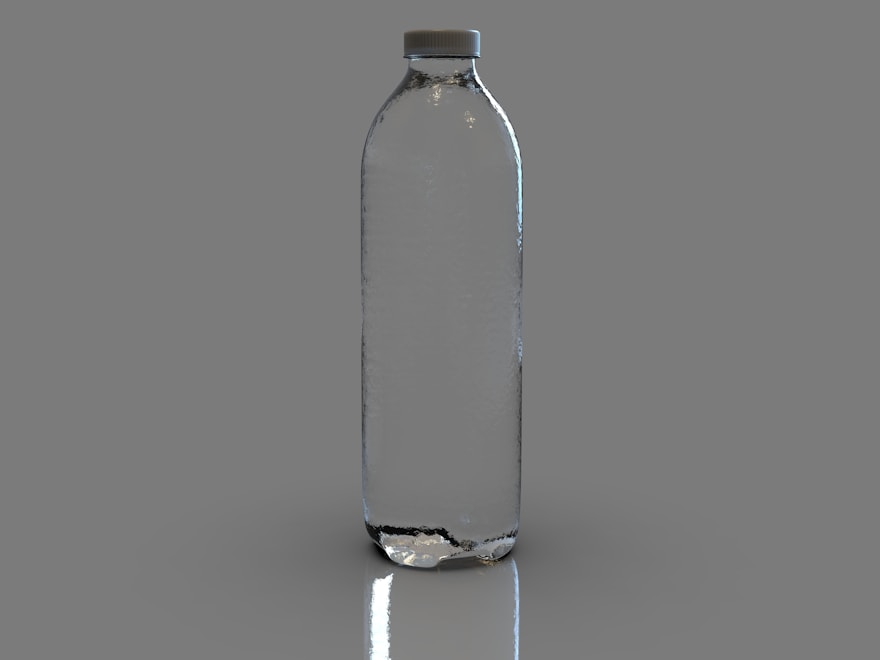
Cans took a large share of craft beer and hard seltzer in a decade, and plenty of brands now run both. The two materials are not really competing on quality; they compete on channel, and knowing which channel you are packing for settles most of the argument.
The 6 Trade-Offs Between Glass and a Can
| Factor | Glass | Aluminium can |
|---|---|---|
| Weight and freight | Heavier at every leg of your lane. | A fraction of the weight, and empties nest on the way in. |
| Light protection | Amber blocks the damaging band; flint and green let some through. | Complete, since no light reaches your fill at all. |
| Taste interface | None. Your fill touches inert glass. | An internal polymer liner separates your fill from the metal. |
| Breakage | Real, and managed with packing and coatings. | None that matters in your distribution. |
| Reseal | Standard on crown, screw and swing-top formats. | Only with a resealable end, at extra cost. |
| Shelf presence | Weight and clarity your buyer reads before the label. | Graphics wrap the whole body, which suits bold artwork. |
Where Your Can Wins
Volume, outdoor and cold-chain formats. Festivals, stadiums, pools, aircraft and anywhere glass is banned outright. Multipacks, where weight and breakage compound across a case. And ranges built on graphics, because a can prints edge to edge and a bottle does not.
Chill speed matters more than brands expect, and SGSBOTTLE ships beverage glass to 40+ countries where that still holds. Thin aluminium reaches serving temperature in a fraction of the time your glass does, and for an impulse purchase from a cooler that is a real advantage.
 Amber glass and an aluminium can both block the light. Only one of them reseals.
Where Your Glass Wins
The on-trade, first of all. A bottle on a bar, a table or a back-bar shelf carries a brand in a way a can cannot, and most premium spirits, wine and speciality soft drinks never leave glass for that reason.
Reseal comes next. A 750 ml (25 oz) format your customer pours over several servings needs a closure that goes back on, and that is standard on a crown, screw or swing-top bottle. Then taste neutrality: no liner, no interface, nothing between your fill and an inert surface, which matters to producers of long-aged and highly acidic products.
What Each Format Costs You
Neither material is universally cheaper. Cans win decisively on freight and on line speed at high volume. Glass wins where your run is small, because a can order usually carries a plate and minimum that a stock glass bottle does not: SGSBOTTLE ships stock designs from a single pallet, and a custom mould starts at 12,000 pieces in extra-flint or 50,000 in standard flint.
Your decoration cost moves the other way. Printed cans include their artwork; a printed glass bottle carries a screen pass per colour, so a complex design costs more on glass and a simple one costs less.
Running Both Without Splitting Your Brand
Most ranges that do this well keep one colour system and one type treatment across both, and let the format change. Spray coating and fired print at the SGSBOTTLE plant in Shandong match a Pantone your can printer is already working to, so the two sit together on a shelf.
What Goes on Your Enquiry
The fill, the channel each format serves, the volumes in ml and oz, and the artwork. SGSBOTTLE engineers return the glass designs that suit the channel, with their weights and loading plan, so your comparison against a can quotation runs on real figures.