
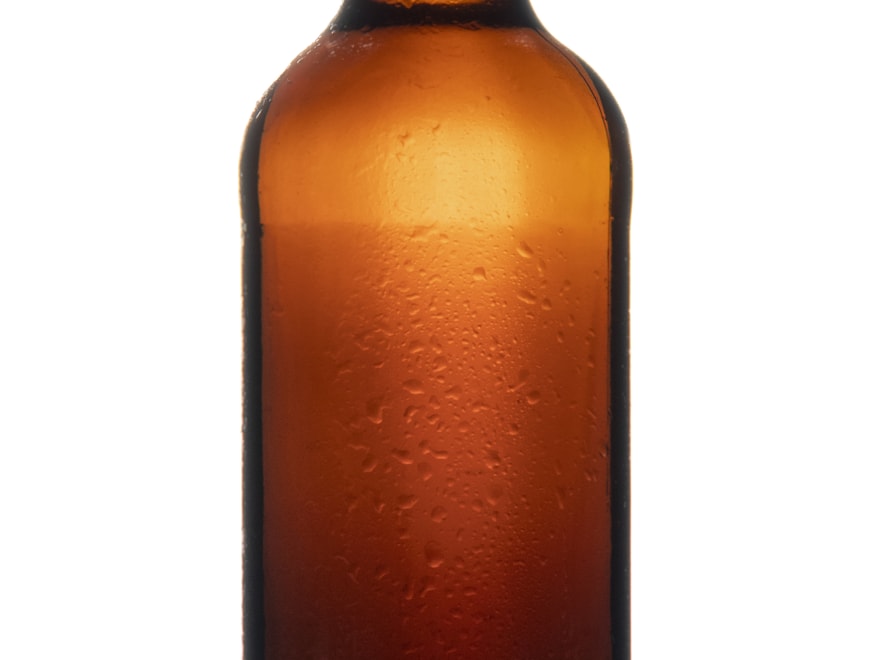
Your pasteuriser applies heat to a pack that is already sealed, already full and already carrying pressure. That combination is what makes it the stage where bottles break.
Tunnel Against Batch
| Method | How it treats your pack | Where it stresses your glass |
|---|---|---|
| Tunnel | Sprays raise, hold and cool packs in zones. | Every zone boundary is a gradient across your wall. |
| Batch | Packs sit in a vessel that heats and cools slowly. | Gentler gradients, but a longer hold at temperature. |
The 3 Limits Your Bottle Runs Into
Thermal shock is the first. Each zone change puts a difference across your wall, and residual stress from poor annealing has already spent part of your margin.
Internal pressure is the second. Your carbonated product pushes harder as it warms, so the pack meets its highest internal load exactly when the glass is under thermal load too.
Surface damage is the third and least expected. A scuff picked up on your conveyor concentrates both stresses, which is why a bottle that looks fine can fail while its neighbour survives.
Why Your Cooling Zones Matter More Than Your Heating
Heating is gradual and cooling is where lines lose bottles. Cold water meeting a hot 500 ml (17 oz) bottle creates a sharper gradient than anything on the way up.
Step the cooling rather than dropping it. Your tunnel should bring packs down through intermediate zones, and a bottle proven at a 42 C differential still fails against a larger one.
 Cooling is where the breakage sits. SGSBOTTLE tests thermal shock across 14 lines in Shandong and Xuzhou.
What to Specify Before You Buy Glass
Three figures, tested rather than assumed. Your thermal shock result at the differential your tunnel actually uses. Your annealing grade under ASTM C148. Your internal pressure result under ISO 7458 if the product is carbonated.
Ask for all three on samples from your own production run. SGSBOTTLE runs them for glass from the 14 lines in Shandong and Xuzhou and puts the figures on your report.
Where Coating Condition Comes In
Your cold-end coating protects the surface that carries the load, and a pasteuriser washes bottles with hot water for a long time. A hot caustic environment still strips coating that survives ordinary handling.
Tell your glass supplier that the pack is pasteurised. The coating band can be matched to it, and a 750 ml (25 oz) bottle specified for a dry warehouse behaves differently in a tunnel.
What Goes on Your Enquiry
Your product, the pasteurisation units and the temperatures your tunnel runs, the format in ml and oz, your closure, and whether the product is carbonated. SGSBOTTLE comes back with the thermal shock and pressure results and the coating specification.